Betty White Was Famous for Comedy, Yet Sitting Down to Talk Made Her Even More Captivating
Some performers are at their best when the script is tight and the studio audience is ready to laugh.Betty White somehow became even more magnetic when the script disappeared and she simply talked.
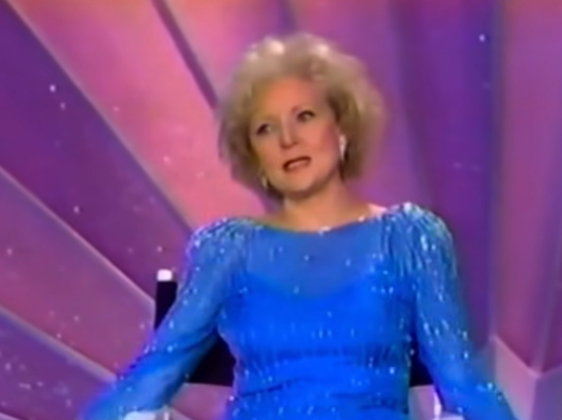
In 1989, during a relaxed conversation filmed at Disney Studios, Betty looked back on two of the defining chapters of her career: The Mary Tyler Moore Show and The Golden Girls.What emerged was not a polished promotional appearance.
It was something rarer — a chance to watch a master of comedy think out loud, remember with precision, and still deliver quiet flashes of the humor that made her famous.
The surprising result was that the conversation itself became the entertainment.
The Comfort of Watching Her Think
Betty White never seemed to strain for effect.
In this 1989 conversation she spoke with the same easy rhythm she brought to her characters, only without the exaggerated traits that made Sue Ann Nivens or Rose Nylund so memorable.
She reflected on the work with clear affection and zero pretension.There was no attempt to mythologize her own success.
Instead she treated the great roles as jobs she had been lucky enough to do well, surrounded by people she respected.
That grounded quality is what makes the conversation so watchable.Viewers are not being sold a legend.
They are simply listening to a highly intelligent woman who happened to become one.
Sue Ann Nivens Revisited
When Betty discussed her time on The Mary Tyler Moore Show, the sharpness that defined Sue Ann Nivens was still detectable beneath the warmth.
She understood exactly what made the character work: the cheerful surface covering a more competitive, sometimes ruthless core.
Hearing her break it down years later is a reminder of how carefully the performance had been built.Sue Ann could have been a one-note caricature.In Betty’s hands she became a fully formed comic creation who could steal scenes without ever feeling out of place in the ensemble.
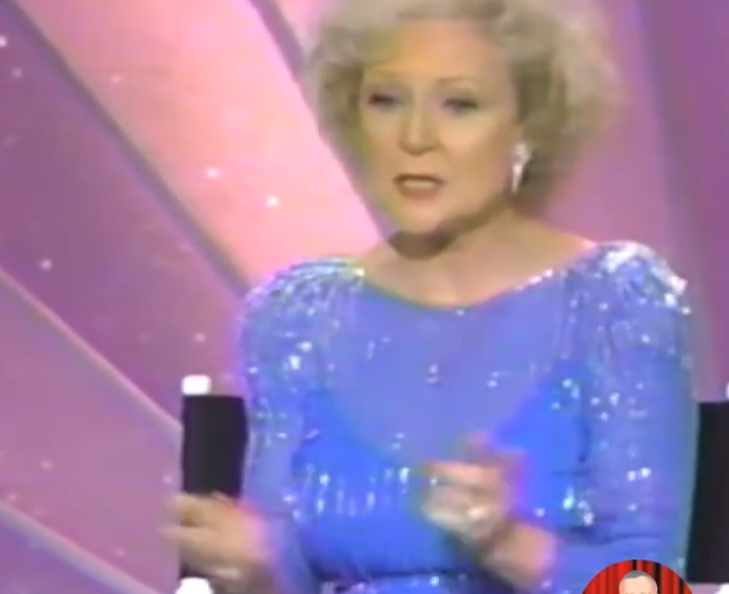
The 1989 conversation shows that Betty had always known precisely what she was doing with the role.
The laughter she created was never accidental.
Becoming Rose Nylund
The discussion of The Golden Girls carries a different flavor.By 1989 the show was a confirmed hit, and Rose had already become one of the most beloved characters on television.
Betty spoke about the part with obvious fondness, yet she also made clear that the sweetness of Rose was a deliberate comic choice rather than a simple extension of her own personality.
That distinction matters.Many viewers assumed Betty was essentially playing herself.The conversation gently corrects the record.
Rose’s wide-eyed stories and earnest demeanor were tools Betty used with the same professionalism she once brought to the far more cutting Sue Ann.
Listening to her describe the difference between the two roles is one of the quiet pleasures of the interview.
It reveals a performer who understood range and never took the audience’s affection for granted.
The Art of the Unforced Remark
What elevates the entire conversation is Betty’s natural timing.Even when she was not telling a formal joke, the way she shaped a sentence or allowed a pause to land carried comic intelligence.
She could undercut her own success with a single self-deprecating observation.She could express genuine appreciation for her co-stars without ever sounding sentimental.
She could move from a specific memory about a scene to a broader reflection on longevity in the business, all while keeping the tone light and engaging.
That ability to be interesting without appearing to try is rarer than strong punchlines.
It is also the reason so many people have said that Betty White was just as good in interviews as she was in character.
A Masterclass in Longevity
By 1989 Betty had already spent more than four decades in television.She had survived changing tastes, shifting formats, and the industry’s habitual impatience with aging actresses.
In the Disney Studios conversation she carried that history lightly.
There was no bitterness and no excessive nostalgia.She simply spoke as someone who had stayed curious and professional across multiple eras.
That perspective gives the interview a depth that pure comedy clips cannot match.
Viewers come away with a clearer sense of how she managed to remain relevant without ever appearing to chase relevance.
The Warmth Beneath the Wit
One of the most consistent qualities in the conversation is goodwill.Betty spoke about Mary Tyler Moore, Bea Arthur, Rue McClanahan, and Estelle Getty with obvious respect.She gave credit freely.She seemed more interested in celebrating the work than in centering herself.
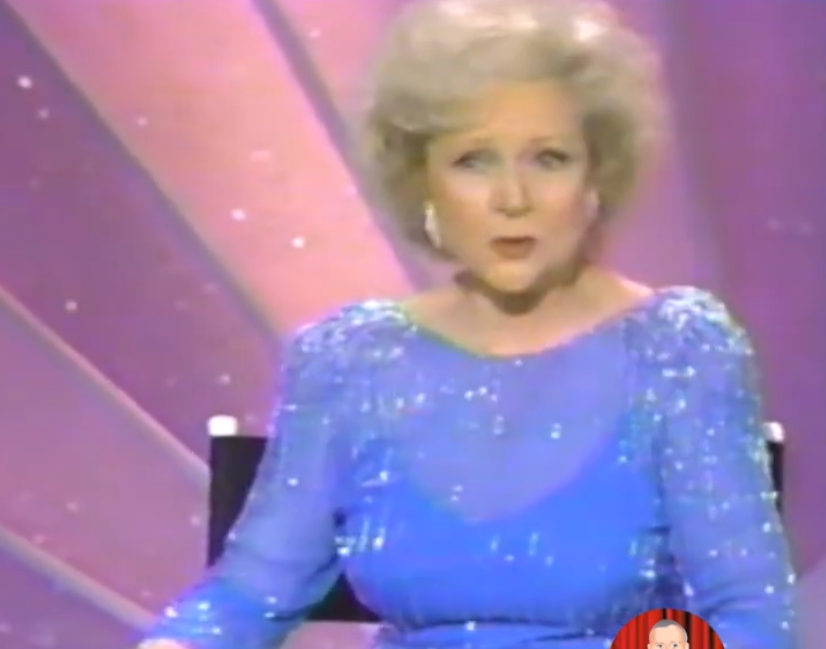
That generosity of spirit is part of what made her such a lasting public figure.Audiences can sense when a performer enjoys the success of others.
Betty always projected that enjoyment, and it is fully present in this 1989 conversation.
Why the Interview Still Feels Fresh
Many promotional interviews from the late 1980s feel locked in their moment.This one does not.The reason is simple: Betty was never performing a version of herself designed for a particular decade.
She was simply being attentive, articulate, and quietly funny.
Those qualities do not expire.
A viewer discovering the conversation today can still feel the same ease and intelligence that audiences responded to at the time.
In an age of tightly managed celebrity appearances, there is something restorative about watching someone speak without apparent calculation.
The Unexpected Advantage of Stillness
Comedy often depends on energy and escalation.This conversation demonstrates that Betty White did not need either one to hold attention.
Seated and speaking at a natural pace, she remained completely compelling.
The absence of sketch costumes and punchline rhythms actually highlights her fundamental strengths: clarity of thought, emotional honesty, and impeccable conversational timing.
It is a useful reminder that her talent was never limited to the characters she played.The characters were simply the most visible expressions of a deeper, steadier gift.
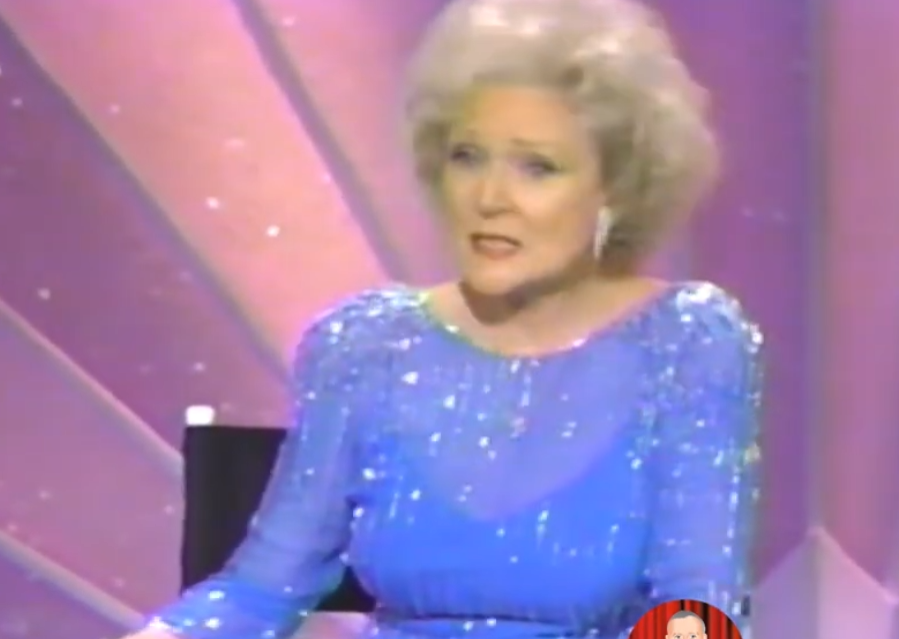
The Feeling That Remains
When the conversation ends, the dominant impression is not of a star polishing her legacy.
It is of a woman who loved the work, respected her colleagues, and never lost the ability to find humor in the long view of a life spent performing.
Betty White made millions of people laugh by playing exaggerated roles.
In this 1989 conversation she made people lean in closer simply by talking.
That is a rarer achievement.
Would you rather watch a great comedian deliver polished material, or sit with her for a while and discover that the real person is just as engaging as the characters?
Anyone who has spent time with this Disney Studios conversation already knows the answer.
Betty White was famous for making audiences laugh.
When she sat down and simply spoke, she proved she could also make them listen — closely, happily, and for a long time.
And that may be one of the most impressive tricks of her remarkable career.