Plenty of Fans Still Insist John Travolta’s Dance in Michael Is Even More Captivating Than Saturday Night Fever
For most people, John Travolta’s dancing legacy begins and ends with Saturday Night Fever. The white suit. The pointed finger. The disco floor that seemed to exist only for him. That 1977 performance turned him into a cultural phenomenon and locked in his image as the ultimate movie dancer of his generation.
But ask a surprising number of fans which Travolta dance scene they actually rewatch the most, and a different answer keeps coming up: the bar sequence from the 1996 film Michael.
It is not as iconic. It did not launch a thousand imitations. It does not have the same cultural weight. And yet, for many viewers, it feels more alive, more joyful, and somehow more purely Travolta than the disco classic that made him a star.
A Different Kind of Magic
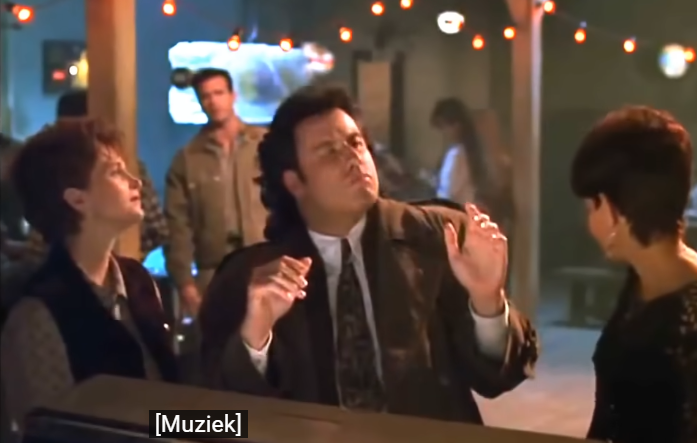
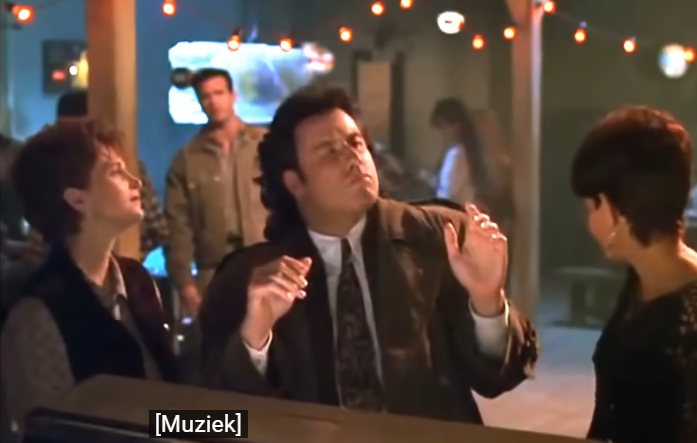
In Michael, Travolta plays an angel who has been living on Earth for a long time and has picked up more than a few bad habits. He smokes. He eats sugar by the handful. He flirts without shame. And when he walks into a roadside bar and hears the right song, he does what comes naturally: he dances.
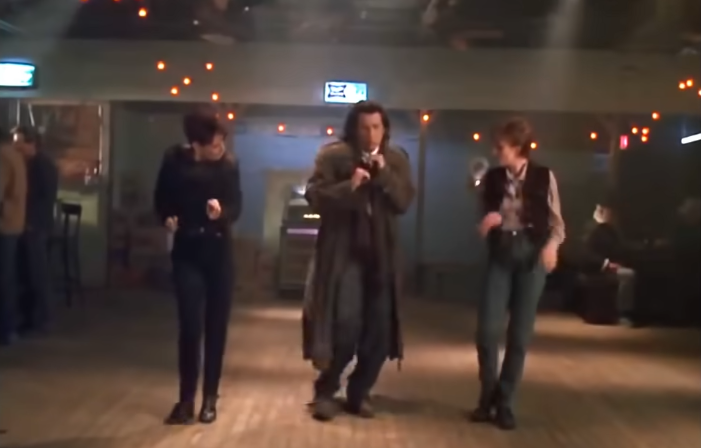
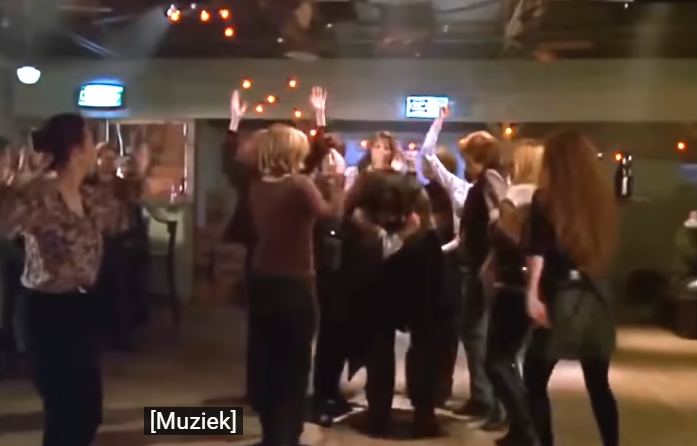
There is no spotlight waiting for him. No choreographed routine designed to show off every move. He simply starts moving, and the room gradually falls under his spell. People stop what they are doing. Smiles spread. Strangers begin to join in. By the end of the sequence, the entire bar has become a celebration.
That organic quality is a big part of why the scene still connects so strongly. It does not feel like a performance staged for the camera. It feels like something that could actually happen if the right person walked into the right room on the right night.
The Case Against the White Suit
Saturday Night Fever is brilliant at what it does. It captures a specific moment in time, a specific kind of youthful hunger, and a specific style of movement that defined an era. Travolta’s Tony Manero is hungry, competitive, and magnetic. The dancing is sharp, stylized, and unforgettable.
But it is also a product of its moment. The open shirt, the platform shoes, the precise poses — they belong to the late 1970s in a way that can sometimes feel locked in amber. When people revisit the film today, they often admire it as a time capsule as much as they enjoy it as a living piece of entertainment.
The dance in Michael does not carry that same period weight. Travolta is older, heavier, dressed in a long coat that should make dancing harder, not easier. And yet he moves with a loose, confident ease that feels timeless. There is no desperation to impress. There is only pleasure in the movement itself.
Joy Without Apology
One of the most striking things about the Michael sequence is how little it cares about looking cool. Travolta is not trying to be the best dancer in the room. He is simply the person having the most fun. That distinction matters.
In Saturday Night Fever, the dancing is tied to status, identity, and escape. In Michael, it is tied to something simpler and maybe more lasting: the pure pleasure of giving in to the music. The angel in the story is flawed, messy, and frequently ridiculous. When he dances, those flaws do not disappear. They become part of the charm.
That willingness to look a little silly while still being completely magnetic is something Travolta has always done well. The Michael scene may be the clearest example of it.
The Aretha Factor
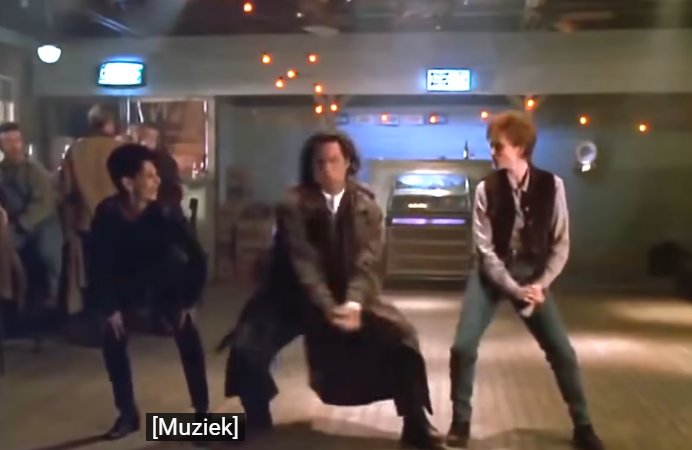
It helps that the music is perfect. Aretha Franklin’s voice has a way of cutting through whatever else is happening and demanding attention. Pair that voice with Travolta’s physicality and the result feels almost inevitable. The song does not just accompany the dance — it seems to pull it out of him.
Viewers often mention that they find themselves moving along with the scene even when they are alone. That is not something every movie dance sequence achieves. Many are impressive. Fewer are contagious.
Why the Debate Refuses to Die
The argument that the Michael dance surpasses Saturday Night Fever is not really about technical skill. Travolta was a more precise, more explosive dancer in 1977. What fans are responding to in the later scene is a different quality: warmth, ease, and a sense of generosity.
In Saturday Night Fever, we watch a young man use dance to claim space in the world. In Michael, we watch a man who already knows who he is use dance to share a good feeling with everyone around him. One is about ambition. The other is about delight.
Both are valid. Both are memorable. But for viewers who have lived long enough to value joy over perfection, the later performance often wins.
A Scene That Keeps Finding New Fans
Michael was never a massive critical darling, and it has not remained as firmly planted in the cultural conversation as Travolta’s earlier landmark. That relative obscurity may actually work in the dance scene’s favor. People often discover it by accident — a random clip in their feed, a late-night rewatch, a friend insisting they have to see this one moment.
When they do, the reaction is frequently the same: surprise at how completely it works. There is no buildup warning them they are about to see something iconic. It just happens, and then it is over, and the good feeling lingers.
The Travolta Effect
Part of the reason the debate continues is that Travolta has always been more than a trained dancer. Plenty of performers can execute choreography cleanly. Far fewer can make dancing look like an extension of their personality. Travolta belongs to the second group. Whether he is in a white suit under a disco ball or in a rumpled coat in a dusty bar, the movement feels like it belongs to him.
That consistency across decades is rare. It is also why fans feel comfortable comparing a 1977 star-making turn with a 1996 supporting performance. The through-line is the man himself.
Still Worth Arguing About
Is the Michael dance actually better than Saturday Night Fever? Strictly speaking, no. The earlier film is more influential, more historically important, and more tightly woven into the fabric of American pop culture.
But “better” is not always the most interesting question. “Which one do you reach for when you want to feel good?” often produces a different answer. For a quiet but dedicated group of viewers, that answer is the bar in Michael, the long coat, the easy smile, and the sense that for a few minutes the world has gotten a little lighter.
John Travolta has given audiences many unforgettable dance moments. The fact that one of the strongest contenders comes from a mid-90s comedy about a chain-smoking angel says something special about his particular gift. He did not need the spotlight, the perfect costume, or the cultural moment. He only needed the right song and a little bit of space to move.
And when he got them, he made a lot of people believe that maybe, just maybe, this later, looser, happier dance deserves a place right alongside the one that made him a legend.
Where do you stand?
Is Saturday Night Fever still untouchable for you, or has the Michael scene quietly taken the top spot in your personal ranking?
Watch both again and settle the argument for yourself. Then tell us which one wins in the comments.