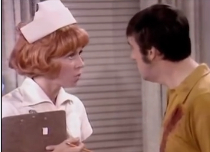
Tim Conway: The Master of Comedic Timing in Classic Television
His comedic timing was so precise that even a small pause could completely change the energy of a scene. Tim Conway possessed a rare understanding of how rhythm, silence, facial expressions, and physical movement could work together to create unforgettable comedy. Rather than depending entirely on punchlines or exaggerated reactions, he knew how to build anticipation and allow a humorous moment to develop naturally. This distinctive ability helped establish him as one of the most memorable performers in classic television comedy.
The Art of Perfect Comedic Timing
Comedic timing is one of the most important skills a comedian can develop. A joke may be clever, and a character may be entertaining, but the impact can change dramatically depending on when a line or reaction is delivered. Tim Conway understood this principle exceptionally well. He could slow down a conversation, pause at an unexpected moment, or wait just long enough before responding to make an ordinary exchange hilarious.
His pauses were rarely empty moments. They often created anticipation, encouraging viewers to wonder what his character might say or do next. When the response finally arrived, the contrast between expectation and reality made the joke even more effective.
This approach required patience and control. Instead of rushing toward the next punchline, Conway allowed the audience to absorb the situation. He understood that laughter sometimes needed a moment to develop, and he used that time to strengthen the overall performance.
The result was a style of comedy that felt spontaneous while demonstrating a remarkable sense of precision. Every expression, movement, and pause could contribute to the rhythm of a scene.
How Silence Became Part of the Joke
Many comedians rely on dialogue to communicate humor, but Tim Conway frequently demonstrated that silence could be just as powerful. A character who says nothing at the wrong moment can sometimes be funnier than one who delivers an elaborate speech.
Conway could use a prolonged look, a hesitant expression, or a moment of apparent confusion to create an amusing contrast with the people around him. His characters often seemed to take unusual circumstances completely seriously, even when the situation had become absurd. That seriousness made the surrounding humor more effective.
Silence also gave viewers time to recognize the absurdity of what was happening. Instead of explaining the joke, Conway allowed the audience to discover it through his performance. This made his comedy feel interactive, as viewers anticipated the next reaction and enjoyed the moment when the scene finally moved forward.
Such techniques may appear simple, but they demand considerable discipline. A pause that is too short may fail to build anticipation, while one that is too long can interrupt the scene’s rhythm. Conway’s ability to find the right balance helped make his performances distinctive.
Tim Conway and The Carol Burnett Show
One of the best places to appreciate Conway’s timing is The Carol Burnett Show, the celebrated variety program that brought together a talented ensemble of comedy performers. Alongside Carol Burnett, Harvey Korman, Vicki Lawrence, and other cast members, Conway helped create sketches that remain memorable to fans of classic television.
The show’s format allowed performers to explore different characters and situations, making timing essential to the success of each sketch. A line delivered too early could weaken a joke, while a carefully delayed reaction could transform a familiar setup into a hilarious moment.
Conway was particularly effective at creating humor through interaction. He could respond to another character with an innocent expression or an unexpectedly slow reaction, changing the atmosphere of the scene without needing to dominate the conversation.
His performances also demonstrated how timing could strengthen ensemble comedy. A successful sketch depends not only on individual talent but also on how performers respond to one another. Conway’s ability to recognize and exploit these moments helped create a dynamic that audiences found entertaining.
The Connection Between Timing and Physical Comedy
Comedic timing was closely connected to Conway’s skill in physical performance. A slight turn of the head, a carefully controlled gesture, or a delayed movement could communicate a character’s personality more effectively than a long explanation.
Physical comedy depends heavily on rhythm. Movements must occur at the right moment to create surprise, reveal a misunderstanding, or emphasize an unexpected development. Conway understood how to make ordinary gestures appear extraordinary through precise execution.
His characters often behaved as though their actions were perfectly reasonable, even when viewers could clearly see the absurdity of the situation. This contrast between the character’s perspective and the audience’s understanding created a reliable source of humor.
He also knew that exaggeration worked best when it served the scene. Rather than making every movement excessively dramatic, he could begin with a restrained reaction and gradually increase the absurdity. This gradual development gave audiences time to follow the character’s behavior and made the eventual payoff more satisfying.
Why His Performances Felt Spontaneous
One remarkable feature of Conway’s comedy was the impression that a scene might take an unexpected turn at any moment. His reactions often seemed natural rather than mechanically rehearsed, allowing viewers to become absorbed in the interaction.
That sense of spontaneity is particularly valuable in sketch comedy. Audiences enjoy watching characters respond to situations as though they are experiencing them for the first time. Even when a performance follows a carefully prepared script, convincing reactions can make it feel fresh.
Conway’s timing helped create this illusion. By varying the pace of his delivery and allowing expressions to develop gradually, he made his characters appear to think and react in real time.
His work also highlighted the importance of listening. Comedy is not simply about waiting for an opportunity to deliver a punchline. It involves observing other performers, responding to their behavior, and recognizing the exact moment when a reaction will have the greatest impact.
These qualities made Conway an effective ensemble performer and helped distinguish his work from comedy that relied mainly on rapid dialogue.
Lessons Modern Comedians Can Learn from Tim Conway
Although television comedy has evolved significantly, the principles behind Conway’s performances remain relevant. Modern comedians can learn from his ability to control pacing, use silence effectively, and develop humor through character behavior rather than relying exclusively on verbal jokes.
First, his performances demonstrate the importance of patience. Allowing a joke to breathe can make it more effective than immediately moving to the next line. Second, they show that facial expressions and body language can communicate complex emotions quickly and clearly.
Another important lesson is the value of consistency. Conway’s characters often maintained recognizable personalities throughout a sketch. Because their behavior followed an established pattern, unexpected reactions became more entertaining.
Finally, his work reminds performers that comedy is a collaborative art. Good timing requires awareness of the entire scene, including the reactions of fellow actors and the audience. Knowing when to speak is important, but knowing when to wait can be equally valuable.
Why Tim Conway’s Comedic Timing Still Matters
Audiences continue to appreciate classic television comedy because great performances can remain entertaining long after their original broadcast. Tim Conway’s work illustrates how technical skill and creative instinct can combine to produce humor that transcends its era.
His precise timing helped transform simple situations into memorable entertainment. A pause could create suspense, a look could reveal a character’s confusion, and a delayed response could deliver the final touch that made a scene work.
These moments demonstrate that comedy is not measured solely by the number of jokes a performer tells. It also depends on how those jokes are presented, how characters interact, and how effectively the performer controls the audience’s expectations.
Conclusion
Tim Conway’s extraordinary comedic timing was a defining element of his success in classic television. Through carefully placed pauses, expressive reactions, controlled physical movements, and a strong understanding of rhythm, he showed how small details could produce enormous comedic results.
His memorable work on The Carol Burnett Show helped demonstrate that a well-timed silence could be as effective as an elaborate punchline. By allowing humor to emerge naturally from characters and situations, Conway created performances that felt spontaneous, distinctive, and enduring.
For anyone interested in the art of comedy, his legacy offers an important lesson: sometimes, the difference between an ordinary moment and an unforgettable laugh is simply knowing exactly when to pause.