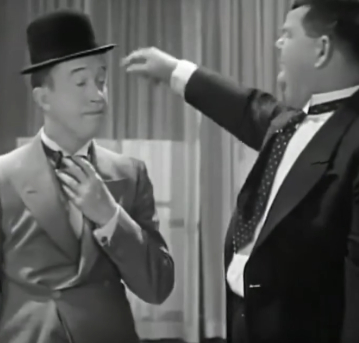
The flicker of a silent film, a black-and-white world where chaos reigns, and two iconic figures, Laurel and Hardy, transform mundane maritime leave into an urban free-for-all.
Their 1928 masterpiece, “Two Tars,” isn’t just a film; it’s a masterclass in escalating comedic destruction, a testament to physical comedy that transcends generations and still elicits genuine belly laughs almost a century later.
This isn’t just about slapstick; it’s about the meticulous construction of absurdity, the slow burn of irritation igniting into an explosive, unforgettable spectacle.
From the moment Stan Laurel and Oliver Hardy, playing two U.S. Navy sailors on shore leave, step off a streetcar, their ill-fated vacation begins its precipitous descent into automotive anarchy.
A seemingly innocuous encounter with a young woman on the streetcar quickly spirals into a series of misunderstandings, setting the stage for the film’s central conflict: a war waged with fenders, tires, and sheer, unadulterated frustration.
Their misadventures are rooted in a uniquely Laurel and Hardy brand of illogic, where every attempt to resolve a problem only exacerbates it with glorious, destructive efficiency.
The genius of “Two Tars” lies in its relentless, almost mechanical progression from minor mishap to widespread urban warfare.
It’s a snowball effect, each tiny infraction gathering momentum and scale until the entire street is a battleground of shattered glass and mangled metal.
The initial spark ignites around the 16-minute mark, a moment that perfectly encapsulates their unique comedic dynamic.
An argument with a car owner, stemming from some perceived slight, begins to escalate.
What starts as a heated exchange of words quickly devolves into something far more tangible and destructive.
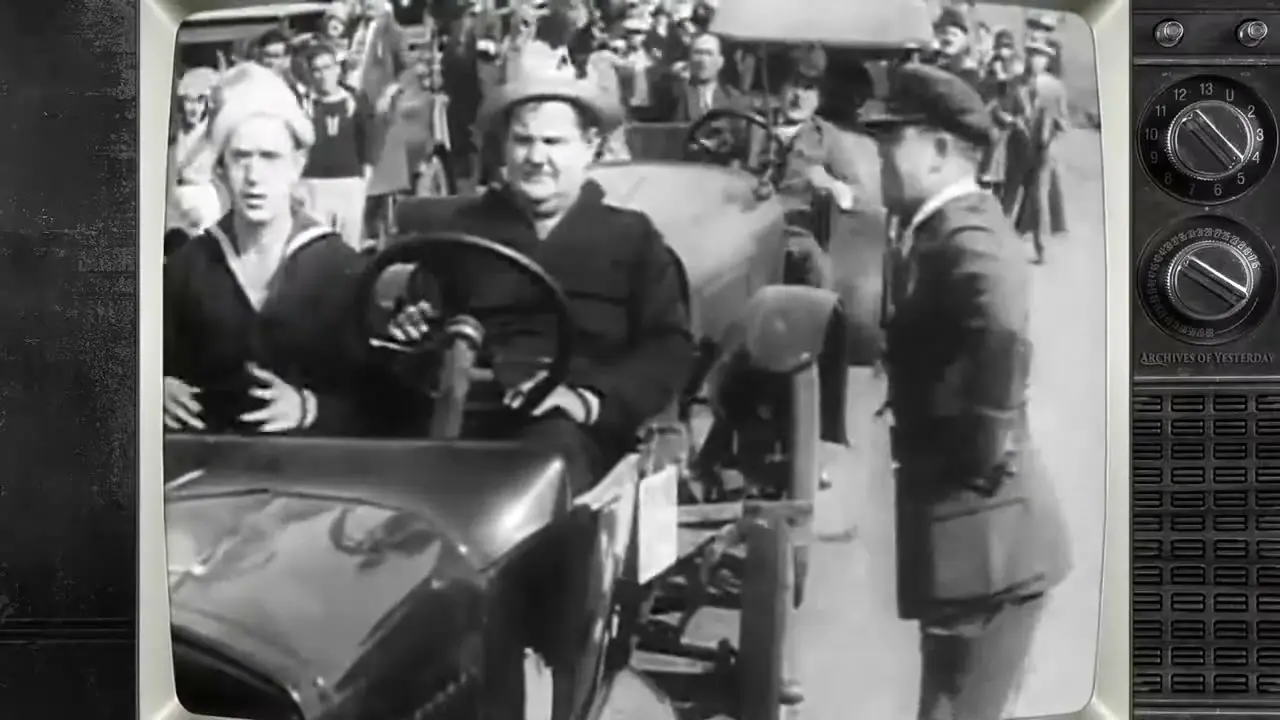
Laurel and Hardy, with their signature blend of earnestness and ineptitude, find themselves inadvertently dismantling the man’s car.
It’s not malicious, not entirely, but rather a catastrophic confluence of misunderstanding, stubbornness, and a complete lack of mechanical aptitude.
One moment, a hubcap is pried off; the next, a headlight dangles precariously.
The audience watches, mesmerized and horrified, as a seemingly innocent fender bender transforms into the complete disassembly of a vehicle.
This isn’t a quick gag; it’s a sustained sequence of escalating damage, each new act of destruction more audacious than the last.
The car, piece by painstaking piece, is reduced to its constituent parts, lying scattered across the road li,ke mechanical confetti.
This scene is more than just funny; it’s a brilliant narrative device, a clear line drawn in the sand.
This is where the gloves come off, where the rules of polite society are abandoned, and the stage is set for an epic, street-wide showdown.
The destruction isn’t limited to a single vehicle or a single skirmish.
The film masterfully broadens its scope, dragging innocent bystanders and their vehicles into the fray.
Around the 32-minute mark, another pivotal incident occurs, this time centered around a flat tire.
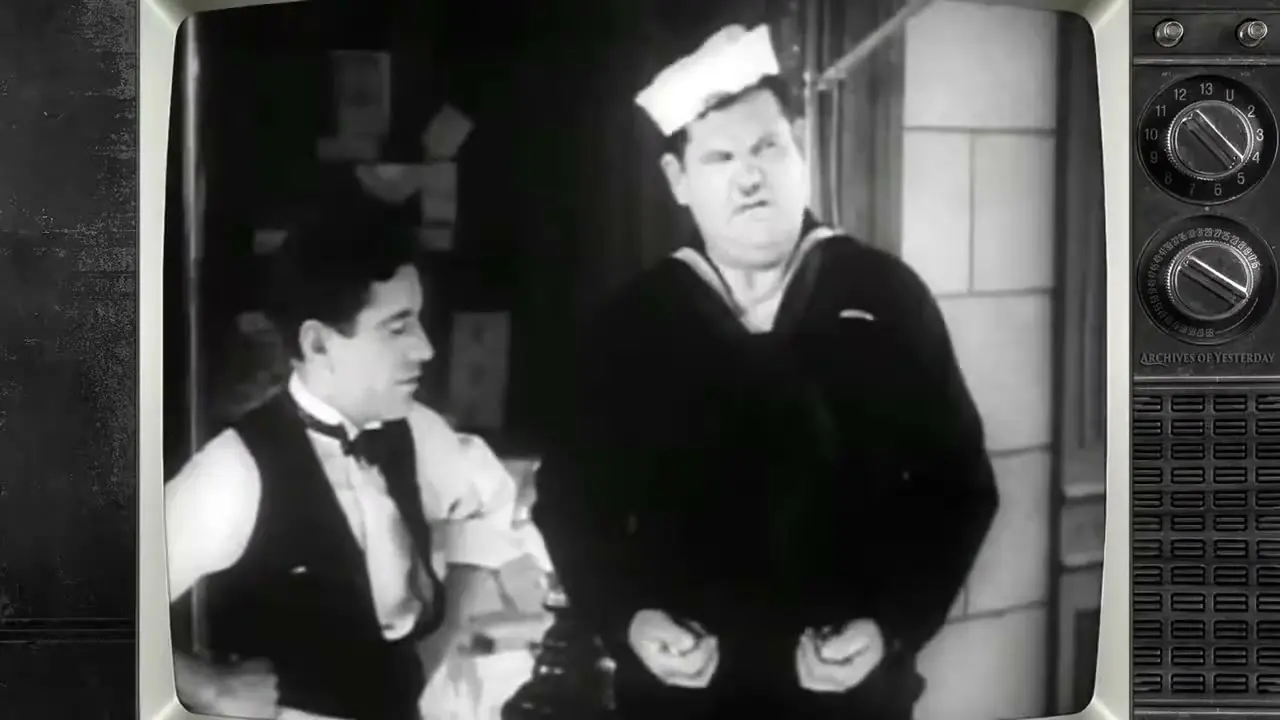
A simple confrontation, perhaps an attempt to offer (misguided) assistance, quickly devolves into a hilarious battle of wills and increasingly absurd physical comedy.
Laurel and Hardy’s attempts to ‘help’ a stranded motorist only cause more damage and frustration, a recurring theme that defines their comedic partnership.
In the midst of a heated argument, a tire is inadvertently taken off a stranger’s car, a minor act that triggers a chain reaction of retaliations.
This isn’t just a dispute; it’s an escalating series of tit-for-tat exchanges, transforming a small disagreement into an absurd and destructive street fight involving vehicle parts as weapons.
Hubcaps fly, fenders crumple, and the road becomes a hazardous obstacle course of automotive debris.
The beauty of this sequence lies in its infectious nature; the conflict isn’t contained.
It spreads li,ke a contagion, drawing in more and more characters, each contributing to the growing chaos with their own acts of retaliatory destruction.
As the film approaches its climax, around the 40-minute mark, the chaos reaches its glorious, destructive peak.
The initial conflict, once confined to Laurel and Hardy and a few disgruntled drivers, has spread li,ke wildfire, engulfing the entire street.
What began as a personal vendetta has blossomed into a city-wide spectacle of mutual car destruction.
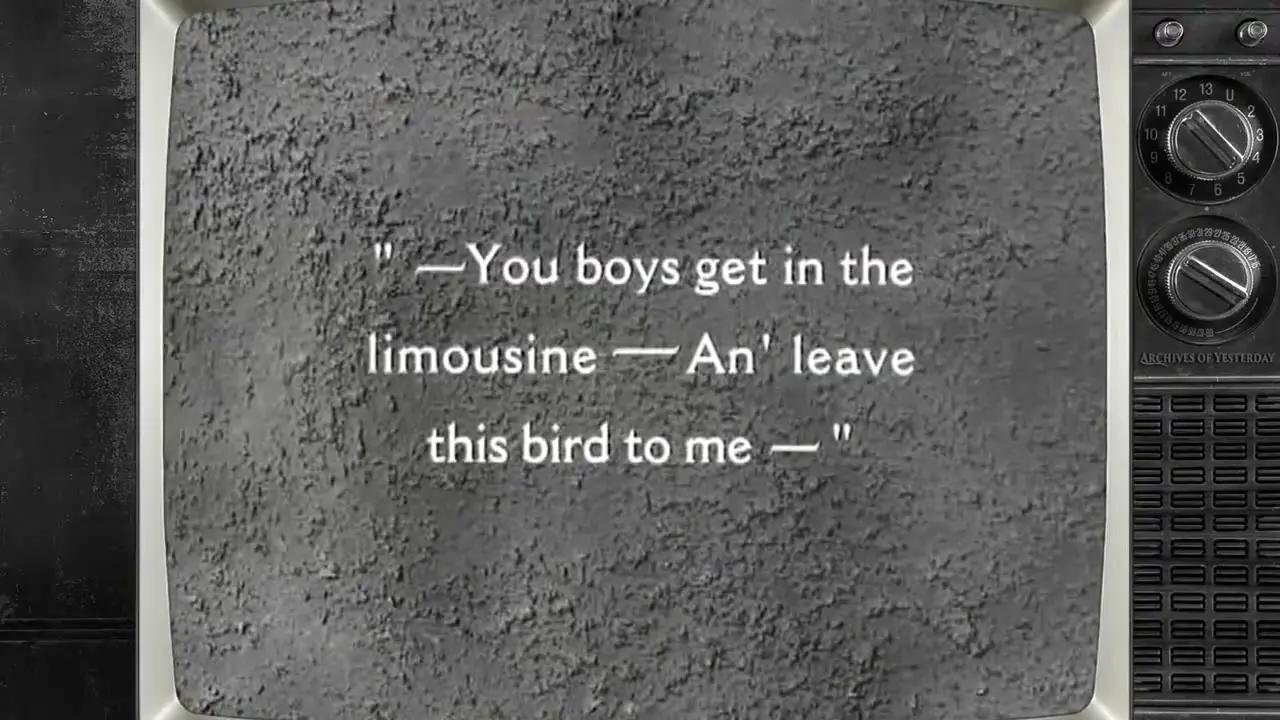
Every single vehicle on the street becomes a target, systematically torn apart by an ever-growing crowd of enraged motorists and, of course, our two intrepid sailors.
The scene is a meticulously choreographed ballet of demolition, a hilariously absurd and unforgettable spectacle.
Vehicles are not merely damaged; they are methodically disassembled, their parts repurposed as projectiles or simply flung aside in a paroxysm of mechanical vengeance.
It’s a testament to the meticulous planning and execution of the silent era’s best filmmakers that such a large-scale, intricate sequence could be pulled off with such comedic precision.
The street transforms into a chaotic scrapyard, a landscape of twisted metal and shattered glass, a monument to the comedic power of anarchy.
This level of sustained destruction, so expertly paced and endlessly inventive, is a hallmark of Laurel and Hardy’s genius.
They weren’t just funny; they were pioneers, craftsmen of a comedic art form that relied on timing, physical prowess, and an unparalleled understanding of human folly.
“Two Tars” is more than just a funny movie; it’s a foundational text in the history of comedy, a blueprint for escalating stakes and physical humor that continues to influence performers and filmmakers today.
It’s a reminder that sometimes, the greatest humor comes from the most destructive and utterly absurd situations imaginable.
Their legacy endures, a testament to the timeless appeal of two sailors on shore leave, turning a quiet afternoon into an unforgettable symphony of vehicular mayhem.
To watch “Two Tars” is to witness comedy at its purest, a joyful explosion of chaos that proves some things never cease to be hilarious, even after nearly a century.
Watch full video here:
Open full YouTube video