Some comedy bits are funny.
Others become permanent reference points.
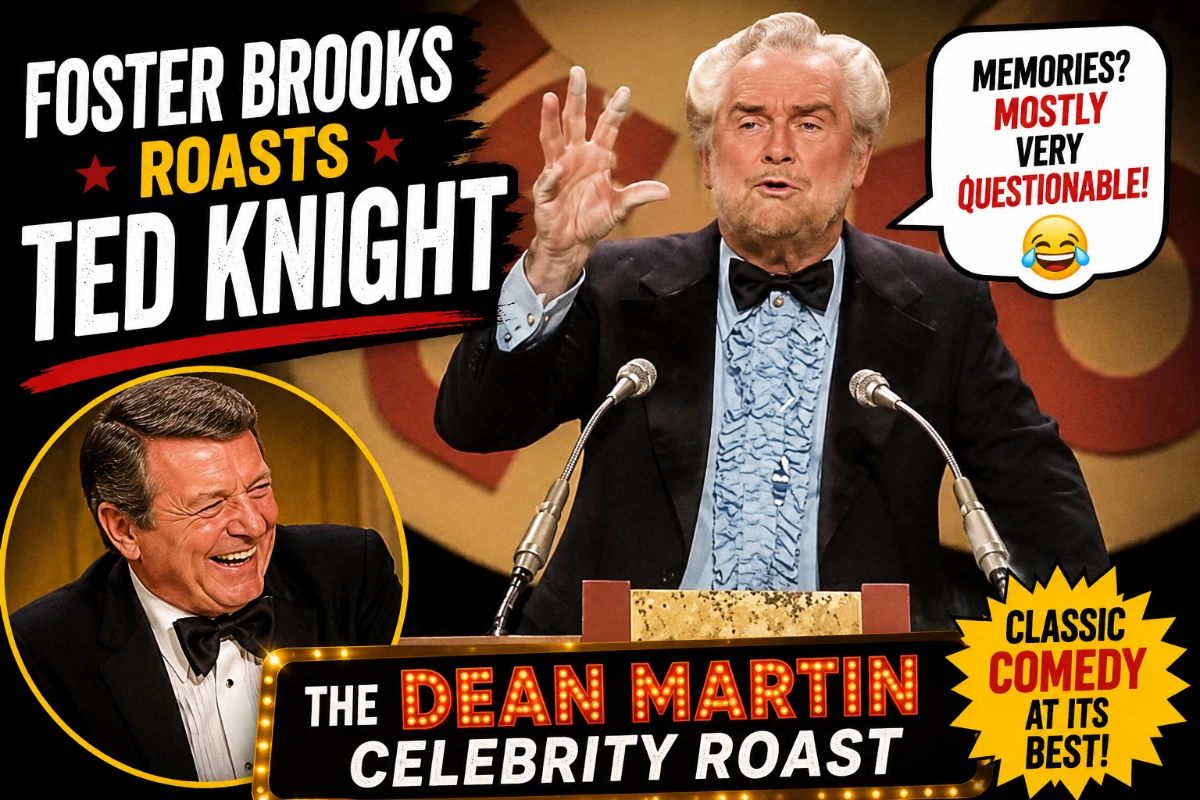
Foster Brooks teaching tongue twisters as a “New York drama coach” on the Dean Martin Celebrity Roast belongs in the second category.
The premise sounded simple enough. Brooks, in full character, would guide Valerie Harper through a series of increasingly difficult tongue twisters. On paper it was a straightforward comic exercise. In practice it became something far more dangerous. Within seconds the carefully maintained composure of the entire panel began to crack. Dean Martin fought it. The other guests fought it. Valerie Harper herself was already in trouble. And Foster Brooks, true to form, kept going as if nothing unusual was happening.
That short stretch of television remains pure classic comedy gold.
The Setup Looked Completely Safe
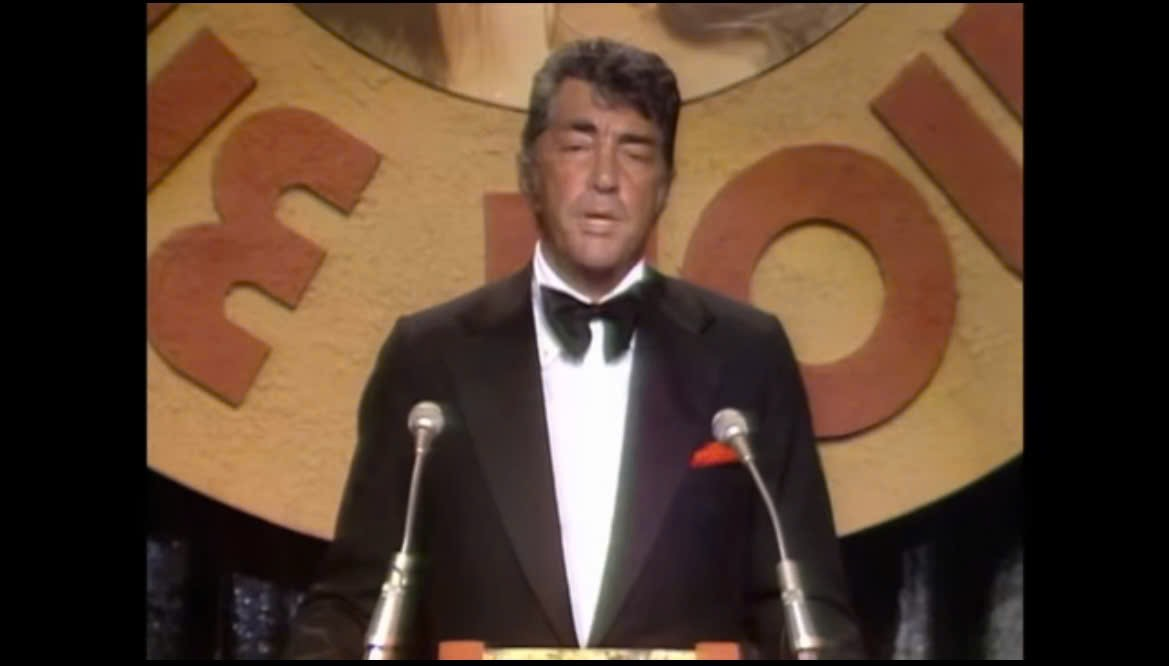
Celebrity roasts thrived on controlled chaos. The jokes were sharp, the insults were expected, and the audience knew the night would get rowdy. A segment in which a “drama coach” taught tongue twisters should have been relatively contained. It gave the performers something structured to play with and offered a clear beginning, middle, and end.
Foster Brooks had other plans.
The second he locked into the character — the slightly blurred diction, the earnest teaching tone, the absolute commitment to the bit — the temperature of the room changed. What had been a standard roast segment suddenly felt like a live experiment in how long professional entertainers could keep a straight face under pressure.
The Delivery Did All the Heavy Lifting
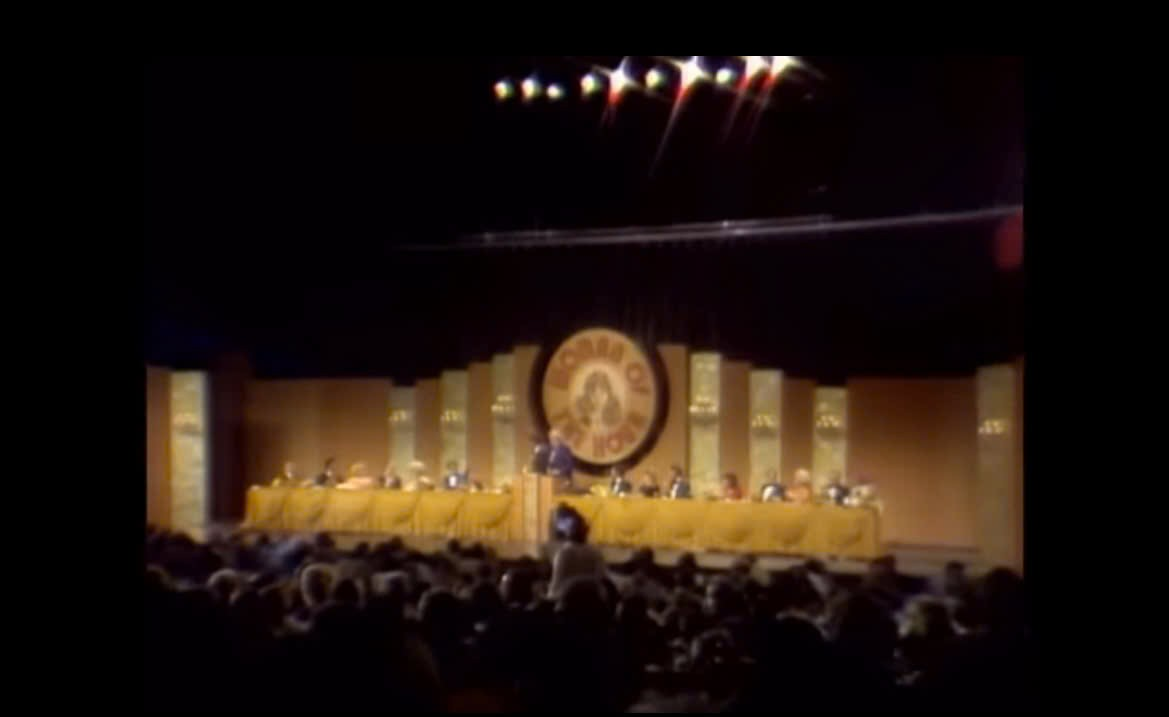
Brooks never needed elaborate punchlines. His greatest weapon was the way he occupied a character. As the drama coach he sounded completely sincere. He corrected, encouraged, and demonstrated the tongue twisters with the seriousness of a man who genuinely believed this was important work. That sincerity made every slurred consonant and delayed reaction land harder.
Valerie Harper tried to play along. The effort is still visible and still hilarious. She would attempt the next phrase, hear Brooks’s version of it, and immediately start losing the battle. The more she tried to stay in the exercise, the funnier the collapse became. Around the table, the rest of the panel was already in trouble.
Dean Martin’s struggle became part of the entertainment. The host who usually floated above the chaos with a drink and a smirk was clearly fighting to hold it together. Every time Brooks delivered another earnest, thoroughly mangled demonstration, Martin’s composure took another hit. The camera caught the battle in real time, and that battle is a big reason the clip still circulates.
Why the Whole Panel Went Down
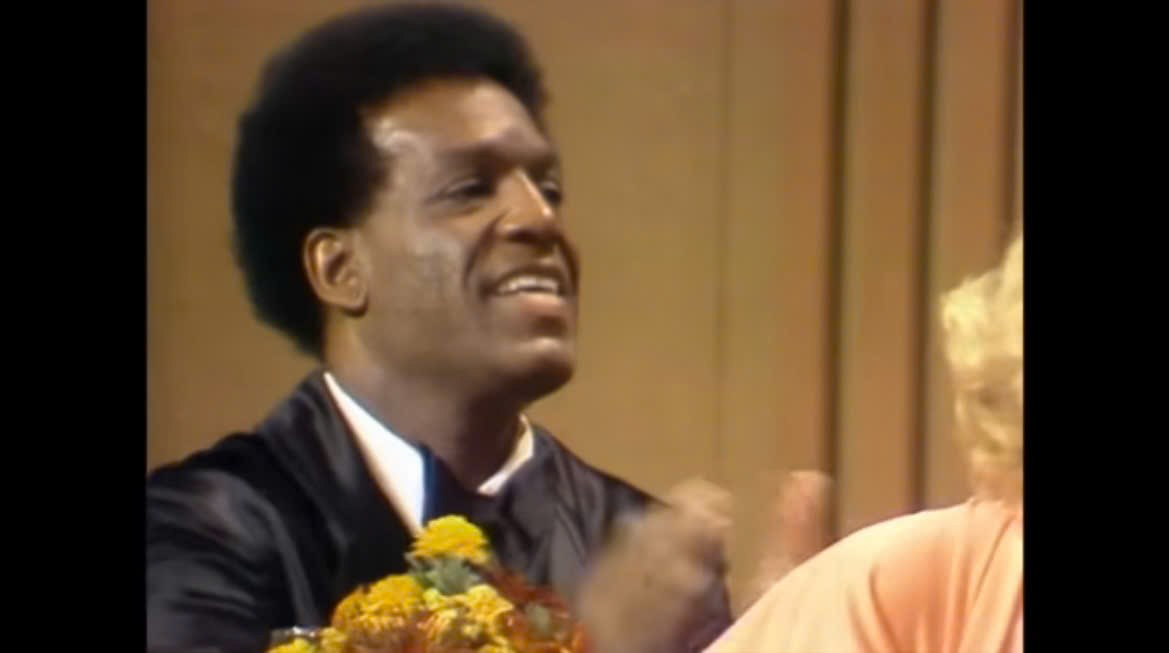
Great live comedy often depends on contagion. Once one person starts to go, the pressure on everyone else increases. Foster Brooks understood this instinctively. He did not acknowledge the laughter. He did not break. He simply continued teaching tongue twisters with the same dedicated, slightly impaired focus.
That refusal to acknowledge the chaos made the chaos stronger. The performers had nothing to push against. They could not treat the bit as an obvious joke and move on, because Brooks was still fully inside it. They were left trying to serve the segment while their concentration was being dismantled in public.
The result was a rare kind of group breakdown. It was not mean-spirited. It was affectionate and inevitable. Everyone on that stage knew exactly how good Brooks was at this particular form of destruction, and none of them could stop it once it started.
The Tongue Twisters Were Only the Excuse
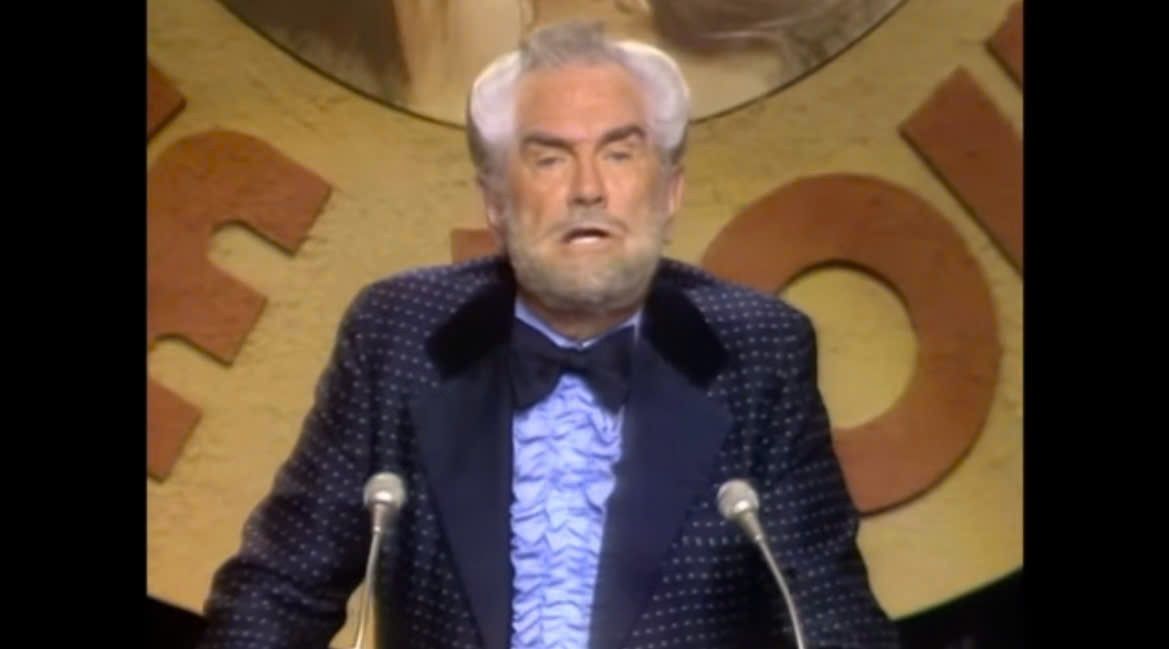
On the surface the segment was about difficult phrases and comic mispronunciation. In reality the tongue twisters were simply the vehicle. The real joke lived in Brooks’s unwavering commitment and the panel’s visible inability to match it. Every new phrase raised the stakes a little higher. Every sincere correction from the “coach” made recovery more impossible.
Classic television comedy does not get much cleaner than that. No complicated continuity. No reliance on current events. Just one performer operating at full power and a table full of professionals discovering they are outmatched.
Why the Moment Still Works
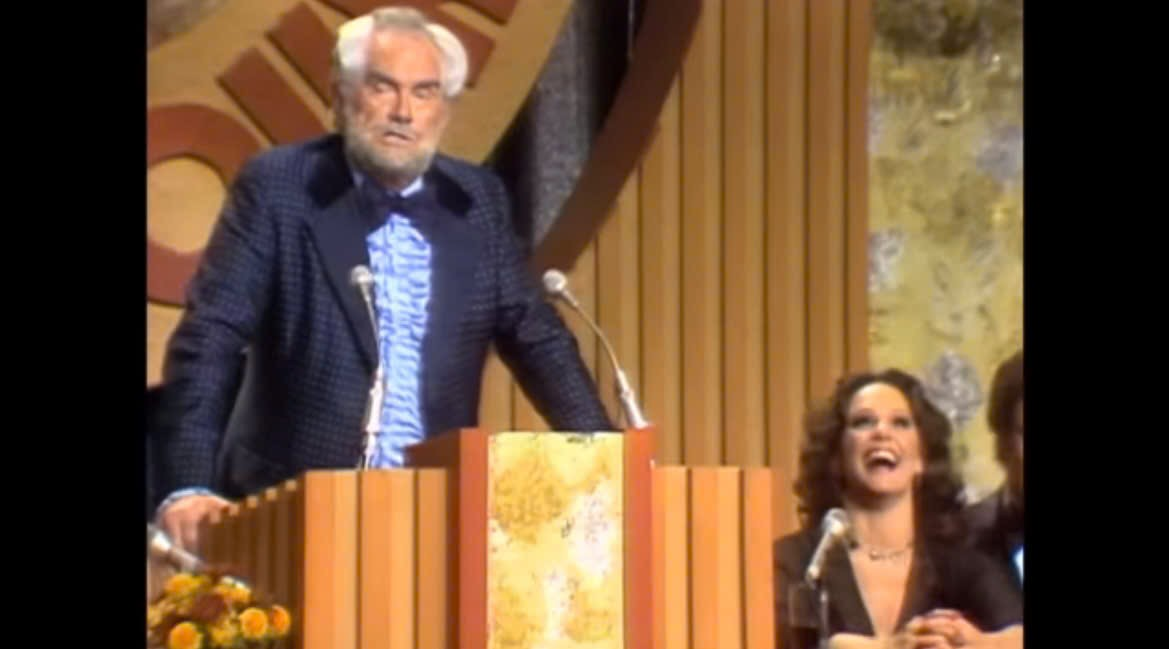
A lot of roast comedy from the era depends on references or celebrity dynamics that have faded. This sequence has largely escaped that problem. The humor is rooted in performance rather than context. You do not need to know every guest at the table to understand what you are watching. You only need to recognize the universal experience of trying to stay serious while someone next to you is making it impossible.
Brooks’s character work remains the anchor. The slightly glazed focus, the careful “instruction,” the complete absence of any admission that the bit is funny — all of it still reads clearly. Valerie Harper’s valiant attempts and Dean Martin’s losing battle supply the perfect reactions. Together they create a short, self-contained piece of television that needs no introduction and no apology.
The Larger Foster Brooks Effect
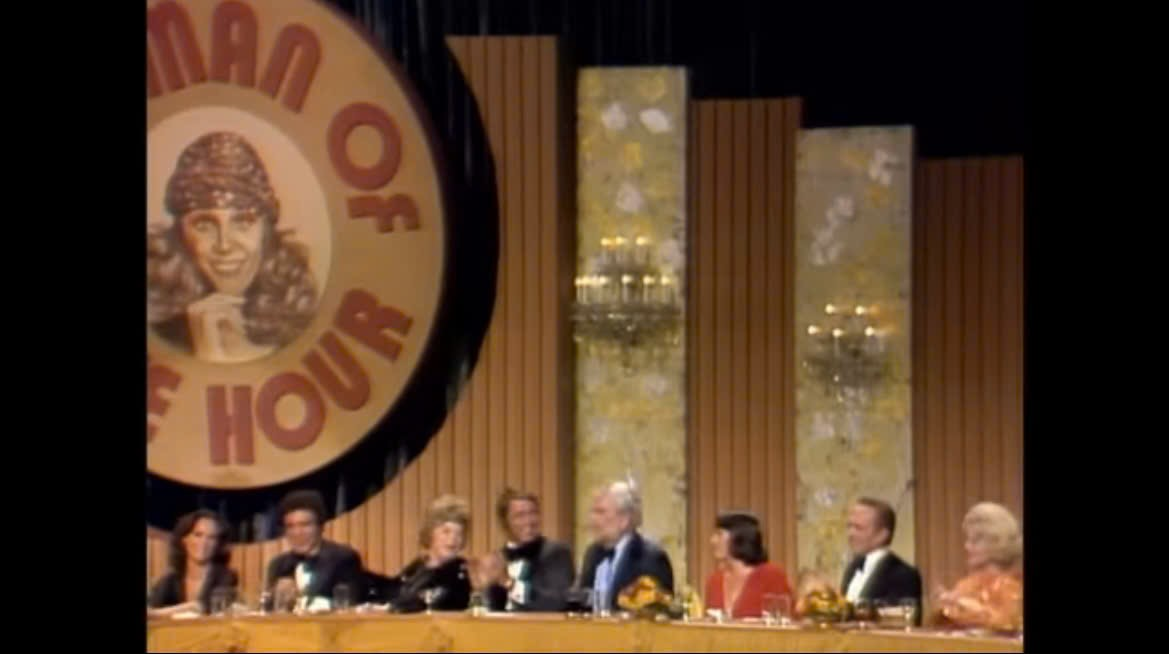
Foster Brooks built a career on the art of controlled inebriation and deadpan commitment. The Dean Martin roasts gave him an ideal stage for that specialty. Night after night he could walk into a room full of sharp, competitive comedians and quietly take control by refusing to play the game on their terms. The tongue-twister segment is one of the cleanest examples of that power.
He never raised his voice. He never chased the laugh. He simply stayed inside the character until the rest of the room had no choice but to join him in the only way they could — by breaking.
A Small Moment That Refused to Stay Small
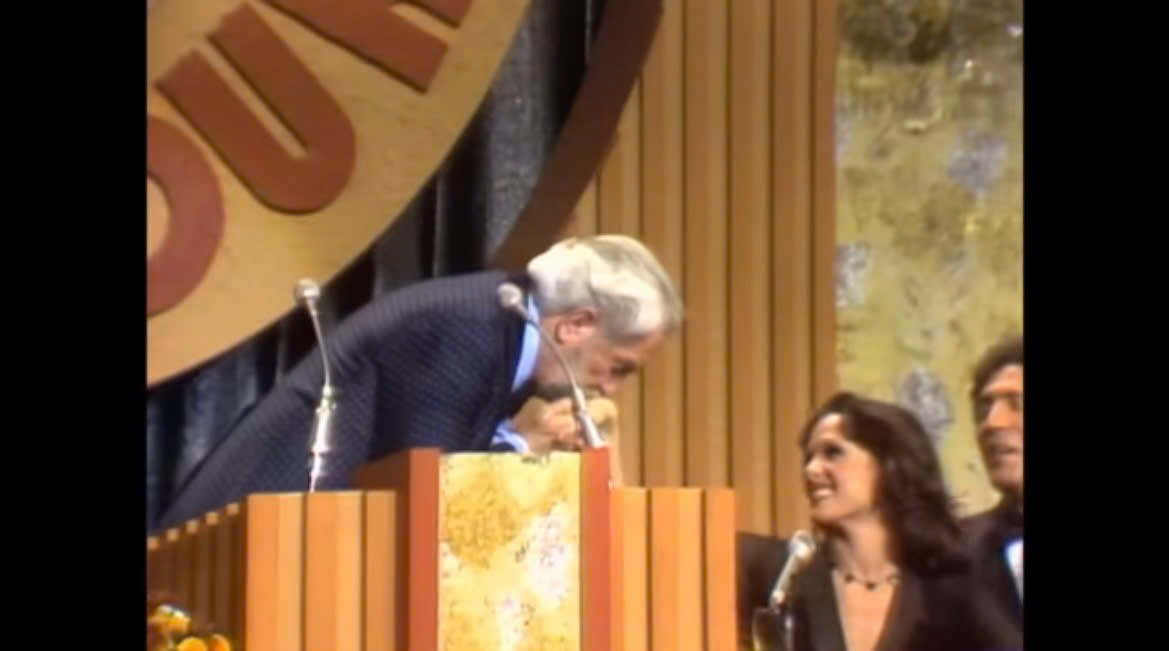
Television is full of sketches that were funny once and then disappeared. This one refused. Clips continue to surface because the core pleasure has not aged. Watching skilled performers lose a fight they cannot win still delivers the same charge. Watching Foster Brooks decline to acknowledge the damage he is causing still feels like a master class in comic restraint.
The tongue twisters were the excuse.
The real show was everything that happened around them.
Would you have lasted longer than Dean Martin once Brooks got going?
Or would you have gone down with the rest of the panel?
Watch the full segment and decide for yourself. Then tell us in the comments — honestly — who could keep a straight face around Foster Brooks.
The correct answer has always been the same: nobody.