Tim Conway: How Unpredictable Comedy Created Unforgettable Television Moments
His sketches often became memorable because the cast members reacted naturally to his unpredictable comedic choices. Tim Conway had a remarkable ability to introduce unexpected expressions, unusual character decisions, and surprising lines that transformed an ordinary scene into something genuinely entertaining. His fellow performers never knew exactly what he might do next, and their reactions often became an essential part of the humor. This combination of preparation and spontaneity helped create some of the most beloved moments in classic television comedy.
The Magic of Unpredictable Comedy
One of Tim Conway’s greatest strengths was his ability to surprise both audiences and fellow performers. Although comedy sketches followed scripts and established storylines, Conway frequently found creative ways to make his characters behave in unexpected ways. A simple conversation could suddenly take an unusual direction because of a strange pause, an exaggerated expression, or an unexpected response.
These moments worked because they challenged the audience’s expectations. Viewers might believe they understood where a scene was heading, only for Conway to introduce a completely different comedic possibility. His choices were often subtle rather than dramatic, making the surprise even more effective.
The unpredictability also gave his performances a sense of life. Instead of appearing mechanical or overly rehearsed, his characters seemed to react naturally to whatever was happening around them. Even when the underlying scene was carefully planned, Conway’s delivery could make the moment feel fresh and spontaneous.
His fellow cast members played an important role in this process. Their reactions helped communicate the surprise to the audience, turning a single unexpected choice into a shared comedic experience.
The Importance of Cast Chemistry
Great sketch comedy depends on more than one talented performer. It requires an ensemble that understands how to support one another, respond to unexpected developments, and maintain the rhythm of a scene. Tim Conway thrived in this environment because his humor encouraged interaction.
On The Carol Burnett Show, Conway performed alongside talented entertainers, including Carol Burnett, Harvey Korman, and Vicki Lawrence. Each performer brought a distinct personality and comedic style to the sketches. Their ability to respond to one another helped create scenes that felt energetic and unpredictable.
Conway often played characters whose unusual behavior placed the other performers in increasingly difficult situations. A fellow actor might attempt to continue a serious conversation while Conway delivered an unexpected line or adopted an absurd expression. The contrast between the other character’s frustration and Conway’s apparent innocence became a source of laughter.
This dynamic depended on trust. The performers needed to remain attentive enough to respond to changes in delivery while still preserving the structure of the sketch. Their experience and chemistry allowed these interactions to develop without losing the audience’s understanding of the scene.
The result was a style of comedy in which every performer contributed to the final joke, even when Conway’s character appeared to be the source of the chaos.
When Laughter Became Part of the Performance
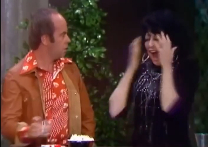
One of the most recognizable features of classic sketch comedy was the occasional struggle of performers to maintain their composure. Tim Conway had a particular talent for creating situations in which his fellow actors found it difficult to continue speaking with a straight face.
These moments could become especially memorable because the audience witnessed reactions that felt genuine. An actor might turn away, lower their head, pause before delivering the next line, or attempt to hide a smile. Such reactions added another layer of entertainment to an already funny situation.
The appeal was not simply that someone had laughed. It was that the laughter demonstrated how effectively Conway had disrupted the expected rhythm of the scene. His fellow performers were experienced professionals, yet his choices could still catch them off guard.
However, spontaneous-looking laughter was only one part of the broader appeal. The sketches remained effective because the cast continued to support the characters and circumstances that made the humor work. Their reactions enhanced the performance without replacing the comedy itself.
These moments helped audiences feel connected to the performers. Rather than watching a distant, perfectly controlled production, viewers could enjoy the impression that something genuinely surprising was happening in front of them.
The Skill Behind Apparently Spontaneous Moments
Although Tim Conway’s comedy often appeared unpredictable, effective sketch performance requires considerable preparation. Actors must understand their characters, remember dialogue, follow stage directions, and recognize how their actions affect the overall scene.
Conway’s talent allowed him to introduce unexpected elements while maintaining a strong sense of character. His choices did not feel random because they usually emerged from the personality he was portraying. A confused character might misunderstand an obvious instruction, while an overly confident character might continue making mistakes without recognizing them.
This consistency made the surprises believable. The audience could be astonished by what happened while still accepting that the character would behave in that particular way.
The other performers also needed to understand the structure of the scene. Their ability to recover from an unexpected pause or unusual line helped preserve the momentum of the sketch. Good ensemble comedy requires flexibility, concentration, and a willingness to adapt without drawing unnecessary attention away from the story.
Conway’s performances demonstrated how preparation could create the freedom for spontaneity. A strong foundation allowed him to experiment with timing and reactions while keeping the audience engaged.
Why Harvey Korman Was Such an Effective Partner
Tim Conway’s comedic partnership with Harvey Korman became one of the memorable features of The Carol Burnett Show. Their contrasting styles created opportunities for a distinctive form of humor.
Korman frequently portrayed characters who attempted to maintain dignity, authority, or control. Conway could then introduce behavior that steadily undermined those efforts. The more seriously Korman’s character attempted to handle the situation, the more amusing Conway’s interruptions could become.
This contrast gave their scenes a clear comedic structure. One performer represented order and composure, while the other introduced confusion and absurdity. Their different reactions allowed the audience to appreciate both sides of the exchange.
Conway did not need to overwhelm his scene partner with constant jokes. Sometimes, a single unexpected response was enough to disrupt the entire interaction. Korman’s reactions then provided the perfect continuation, transforming a small moment into a larger comic sequence.
Their partnership illustrated the importance of contrast in comedy. Two performers do not need to use identical techniques to work well together. In many cases, their differences create the conditions for the strongest humor.
How Audience Expectations Made the Sketches Funnier
Comedy becomes particularly effective when a performer understands what the audience expects and then finds a surprising way to challenge it. Tim Conway regularly used this principle to keep his performances engaging.
A sketch might begin with a familiar premise: a workplace conversation, a formal interview, or an ordinary domestic disagreement. Audiences could quickly understand the situation and anticipate how the characters were expected to behave.
Conway then introduced a disruption. His character might misunderstand the conversation, react inappropriately, or remain completely serious while everyone else became increasingly frustrated. The audience’s expectations were overturned, creating an opportunity for laughter.
The reactions of the other cast members helped reinforce this effect. Their expressions and responses showed viewers that the scene had taken an unexpected turn, making the surprise easier to appreciate.
By combining familiar situations with unusual character behavior, Conway created comedy that was both accessible and original. Viewers could understand the premise immediately, allowing them to focus on the unexpected details that made each sketch distinctive.
Why These Performances Still Matter
Tim Conway’s television work continues to offer a useful example of how ensemble comedy can create lasting entertainment. His performances demonstrate that a successful sketch is not simply a collection of individual jokes. It is an interaction among characters, performers, timing, and audience expectations.
His unpredictable choices made scenes exciting, while the cast’s natural reactions helped those moments feel authentic. The combination created a sense of shared discovery that remains appealing to viewers who enjoy classic television.
Contemporary comedy may use different formats, editing techniques, and performance styles, but the fundamentals of good ensemble work remain relevant. Performers still need to listen carefully, respond convincingly, and understand how their individual choices influence the entire scene.
Conway’s example also highlights the importance of generosity between performers. The strongest comedy often emerges when actors give one another opportunities to react, rather than attempting to dominate every moment.
Tim Conway’s Lasting Legacy in Television Comedy
Tim Conway helped demonstrate that unpredictability could become one of the most valuable tools in a comedian’s repertoire. His unusual choices encouraged fellow performers to react in ways that made sketches more dynamic, while his precise timing ensured that the humor remained clear and effective.
His work on The Carol Burnett Show remains a powerful example of what happens when exceptional character acting meets strong ensemble chemistry. The resulting performances offered more than carefully delivered punchlines. They created memorable interactions in which surprise, frustration, laughter, and genuine affection became part of the entertainment.
Ultimately, Conway’s greatest achievement was not merely making audiences laugh. He created moments that brought performers and viewers into the same experience, where a small unexpected gesture could change the direction of an entire scene.
That combination of skill, spontaneity, and collaboration helped establish Tim Conway as a beloved figure in television comedy. His sketches continue to remind audiences that some of the funniest moments happen when talented performers trust one another enough to embrace the unexpected.