The hustle always begins with a disarmingly casual invitation rather than a direct threat.
It is never about forcing the mark into a corner, but rather laying out a seemingly harmless game of chance on a hard floor.
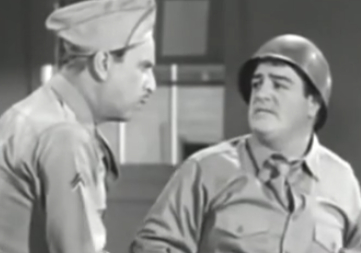
In the timeless universe of physical and verbal comedy, few traps are set quite as masterfully as the one laid out in the legendary dice game routine between Bud Abbott and Lou Costello.
The scene opens with a deeply familiar dynamic of a fast-talking predator circling a hopelessly confused prey.
Abbott stands tall as the slick sharpie, the man who supposedly knows all the angles and controls every aspect of the board.
Costello enters the frame as the perennial innocent, a lovable mark whose perpetual state of confusion is as natural as breathing.
When Costello approaches the impromptu casino on the floor, he is spectacularly out of his element.
He openly admits to his friend that his idea of gaming involves playing innocent children’s games like post office.
This wholesome confession is like blood in the water for a ruthless shark like Abbott.
Instead of shooing the naive man away from a high-stakes environment, Abbott sees a golden opportunity to quietly empty his friend’s pockets.
He begins to explain the rules of craps, but he executes the explanation with a relentless, machine-gun delivery designed to overwhelm rather than educate.
The viewer is immediately pulled into the dizzying trap alongside Costello during this brilliantly paced opening sequence.
Abbott rattles off a rapid-fire series of numerical combinations that allegedly result in a natural seven.
He confidently dictates that a six and a one make seven, a five and a two make seven, and a four and a three make seven.
The sheer speed at which he delivers these basic kindergarten math facts leaves absolutely no room for logical processing or questions.
He smoothly assures Costello that all he has to do is throw a seven and he wins the round automatically.
Of course, Abbott conveniently glosses over the inherent risks of the game, vaguely mentioning that throwing two aces or two sixes results in a total loss.
The cadence of Abbott’s voice acts as a hypnotic weapon.
It is a masterful verbal sleight of hand where the actual words matter far less than the booming, authoritative tone carrying them.
Costello, desperate to keep up with the fast pace and eager to please his demanding friend, simply nods along to this onslaught of manufactured information.
The trap is perfectly primed the moment Abbott suggests making the casual game a little more interesting.
He deliberately frames the introduction of hard cash not as illicit gambling, but as a harmless method to raise the emotional stakes of their interaction.
Costello even references his mother, softly stating that she would severely disapprove of him gambling for real currency.
Abbott expertly brushes this moral concern aside with the effortless grace of a seasoned street con artist.
A crisp ten-dollar bill hits the floor, and the innocent game of chance officially transforms into a completely one-sided heist.
Costello takes the dice in his trembling hands, completely unaware of the invisible, restrictive web now tightly wrapped around him.
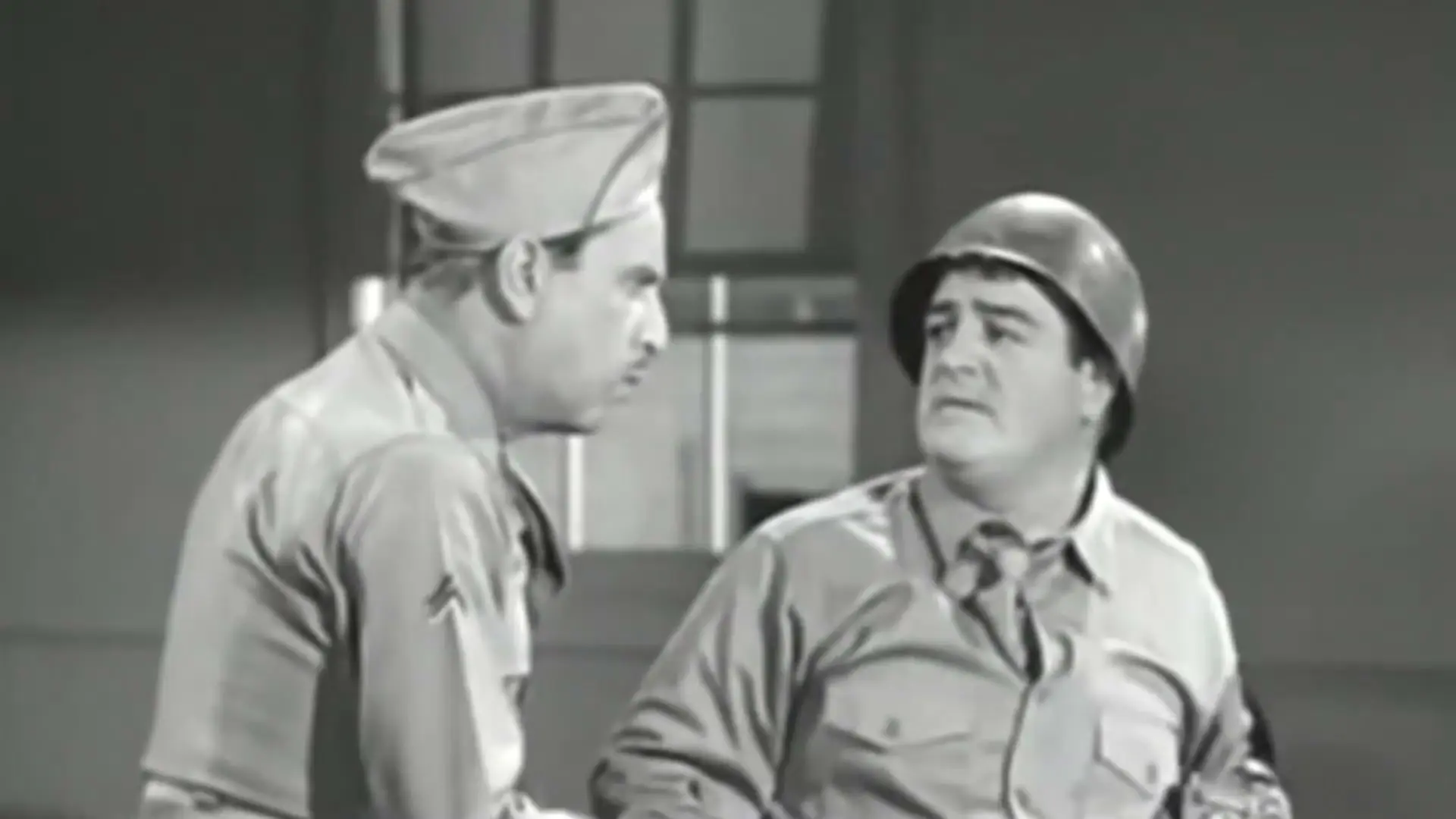
When he makes his very first throw, he eagerly reaches forward to pick up his winnings, only to be sharply reprimanded by his opponent.
This precise moment initiates a masterclass in psychological manipulation and moving the goalposts.
Abbott invents a completely arbitrary rule on the spot, loudly claiming that a player cannot pick up their cash right away.
He spins a ridiculous, improvisational tale about waiting until the money physically reaches his chin before he can legally collect it.
Costello is utterly baffled by this sudden introduction of phantom logic.
His eyes widen in that iconic, signature expression of innocent bewilderment as he tries desperately to process a regulation that does not actually exist anywhere in the world.
This specific exchange perfectly encapsulates the enduring genius of their comedic partnership.
Abbott uses his commanding grasp of language and unwavering confidence to aggressively impose an absurd, alternate reality.
Costello falls right into the deep abyss of that absurdity, fighting to find solid, logical ground that simply is not there.
Despite the confusing, ever-changing rules, the dice surprisingly begin to favor the complete novice.
Costello looks down at the dotted cubes and casually commands Abbott to fade that.
The sudden use of authentic, gritty street gambling jargon immediately breaks Abbott’s carefully constructed rhythm.
He pauses his hustle to aggressively interrogate Costello, demanding to know where a supposed beginner learned such a highly specialized phrase.
Without missing a single comedic beat, Costello delivers a hilariously innocent excuse about overhearing kids at a local Boy Scout meeting.
He vividly describes watching young scouts playing in the dark with lumps of sugar covered in black ink marks.
The mental image of wholesome Troop 35 scouts running a ruthless back-alley dice syndicate is a brilliant piece of absurd imagery.
Abbott reluctantly accepts the flimsy explanation, likely too focused on securing his impending payday to care about the details.
Costello confidently rolls again, and once more, the unpredictable dice are exceptionally kind to him.
He looks at the board and assertively tells Abbott to let it ride.
Again, Abbott is visibly taken aback by this veteran casino strategy coming from a man who recently claimed to only play post office.
The dramatic tension builds beautifully as Costello’s undeniable beginner’s luck threatens to derail the entire financial con.
Costello throws the dice across the floor and they settle on an eleven.
In any standard, mathematically sound game of craps, an eleven on the come-out roll is an automatic, natural winner.
Abbott, seeing his hard-earned cash slipping away, pivots his strategy with breathtaking audacity.
He flatly declares that an eleven means absolutely nothing and simply does not count in this specific version of the game.
He dismissively waves the number away, claiming the eleven is just a few extra decorative dots the manufacturer painted on the dice for fun.
It is a blatant, undeniable lie delivered with the stern, unquestionable authority of a strict schoolteacher scolding a student.
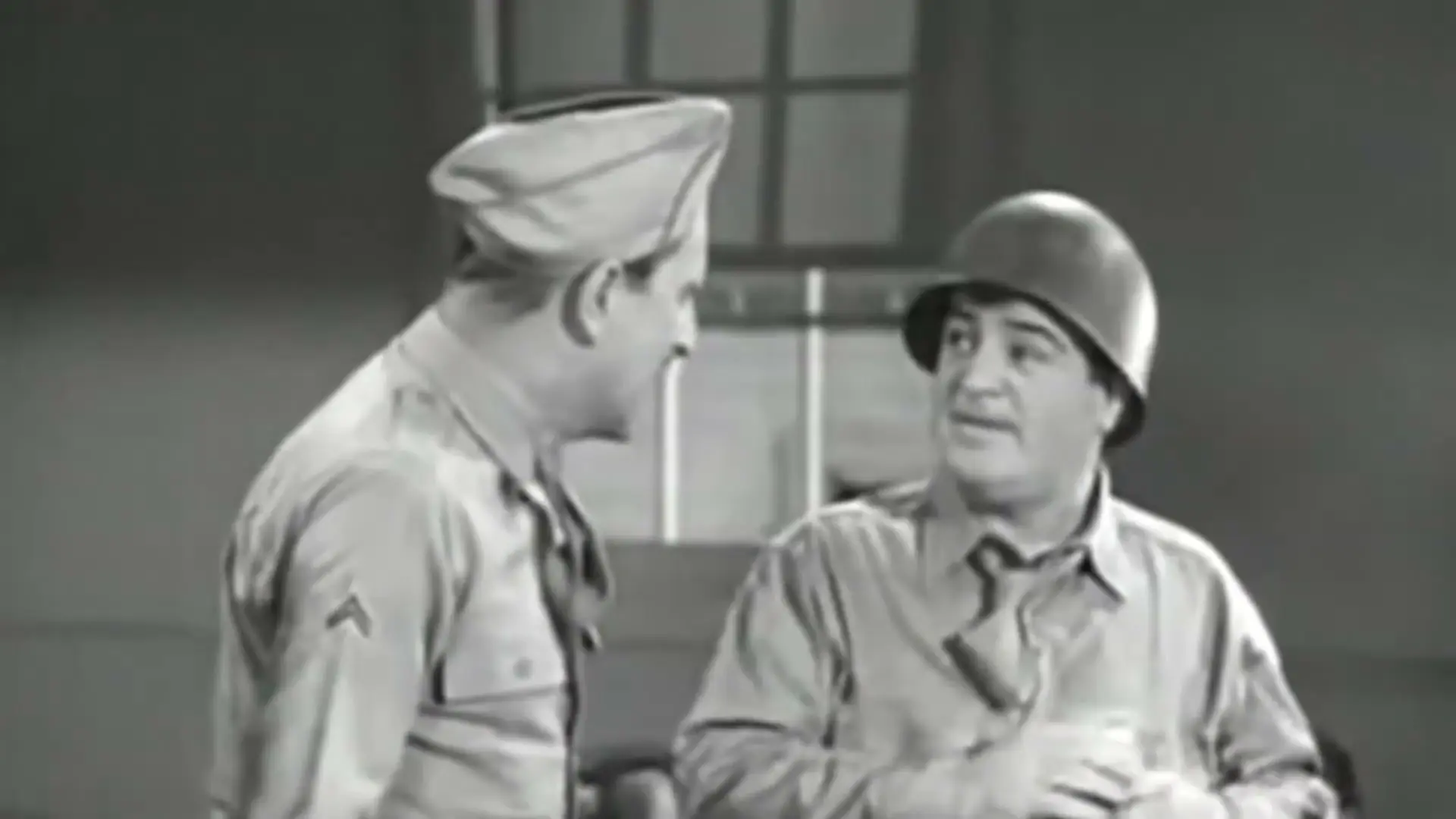
Costello accepts this outrageous daylight robbery without offering a single word of protest.
He quietly picks up the dice to throw again, trusting his manipulative friend completely despite the mounting evidence of foul play.
The absolute climax of this psychological robbery occurs just a few tense moments later.
Costello throws a four, firmly establishing his point for the current round.
Abbott sternly leans in and warns him that if he rolls a seven before rolling another four, he will lose everything on the table.
With the high stakes clearly defined and understood, Costello shakes the dice with palpable, nervous anxiety.
He lets the cubes fly across the floor, and they brutally settle on a three.
For a brief, shining second, Costello actually believes he is safe from elimination.
He clearly did not roll a seven, so his money should still be secure waiting for his next turn.
But Abbott has one more devastating, mathematically impossible trick hidden up his sleeve.
He calmly asks Costello what specific number he rolled on the previous, completely separate turn.
Costello innocently replies that his first roll was indeed a four.
Abbott then dramatically points a finger to the three currently showing on the face of the dice.
With cold, calculated, and entirely fabricated logic, Abbott adds the previous roll of four to the current roll of three.
He confidently announces to the room that four plus three equals seven, meaning Costello has officially crapped out and lost his money.
The sheer audacity of this phantom arithmetic is staggering to behold.
Costello’s expressive face crumples from hopeful anticipation into absolute, crushing devastation in a fraction of a second.
He is completely paralyzed by this impossible, reality-bending twist of fate.
The audience can practically hear the gears violently grinding in his head as he tries to understand how two completely separate rolls were magically combined into one losing number.
It is a moment of pure, transcendent comedic perfection that seamlessly blends physical acting with complex linguistic trickery.
The elaborate con seems totally complete, and Abbott’s pockets are surely preparing to get much heavier.
However, every truly great hustle story requires a deeply satisfying reversal of fortune to reward the audience.
The narrative momentum finally shifts when it is Abbott’s turn to risk his own cash on the floor.
He confidently takes control of the dice, eager to demonstrate how a real professional handles the pressure of the board.
Abbott throws the dice with an arrogant flick of his wrist and they land perfectly on an eleven.
He eagerly reaches forward for the pile of money, fully ready to claim his natural, well-deserved win.
But Costello has been quietly paying very close attention to the highly fluid rules of this specific universe.
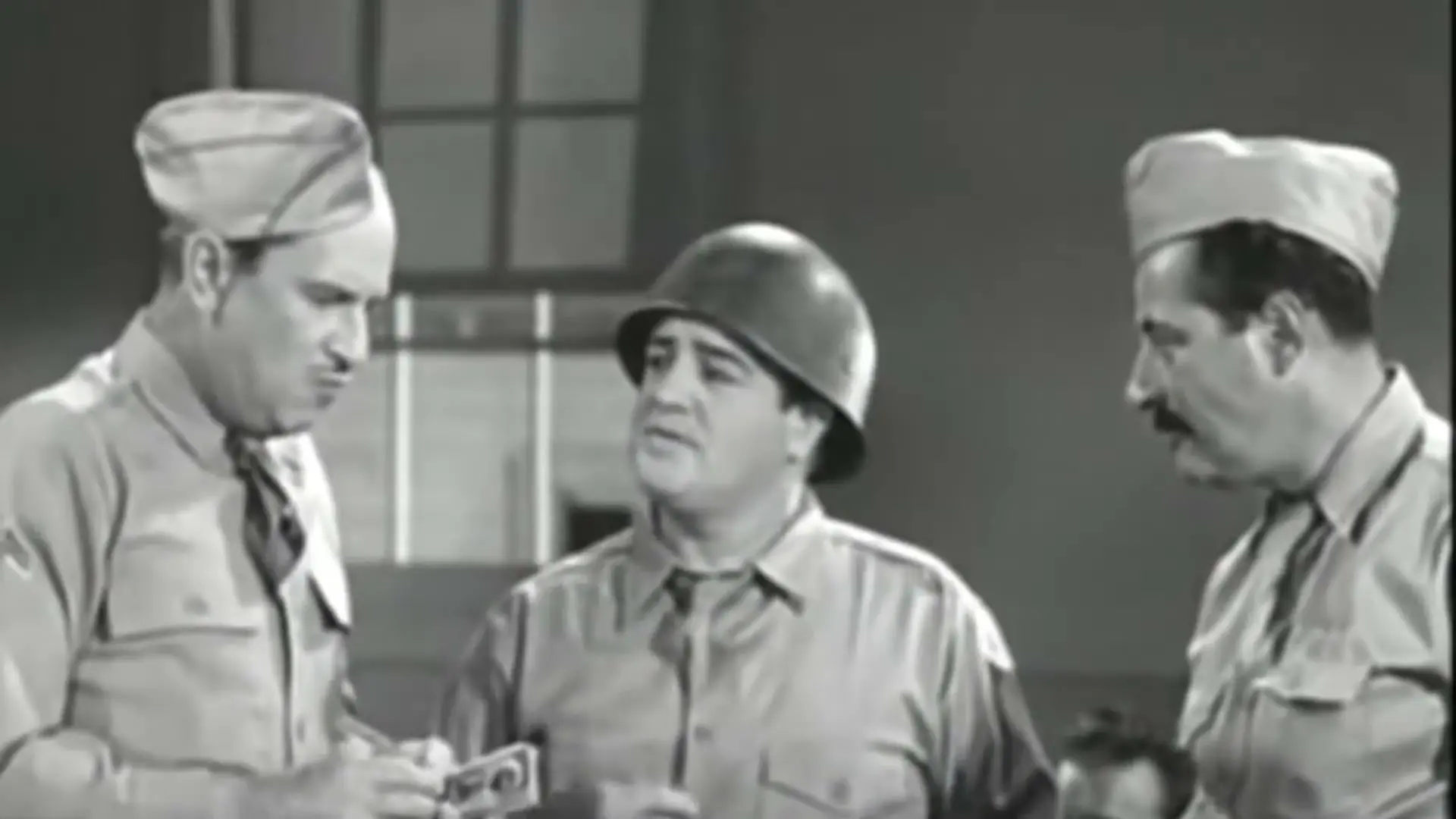
He quickly shoots out a hand to stop Abbott’s advance, echoing the very same ridiculous lie used against him just moments earlier.
Costello loudly and proudly declares that the number eleven simply does not count.
The look of genuine, paralyzing shock on Abbott’s face is immensely satisfying for anyone watching the dynamic unfold.
The master manipulator is suddenly trapped by the rigid walls of his own elaborate maze of lies.
He cannot possibly argue against the validity of the rule because he was the exact person who invented it out of thin air.
Forced to forcefully swallow his own bitter medicine, Abbott furiously picks up the dice for another desperate throw.
The entire power dynamic of the room has suddenly and violently shifted in the opposite direction.
Abbott rolls the dice aggressively and establishes his new point as a six.
He desperately needs to roll another six to survive the round and win his money back from his own trap.
He shakes the dice with genuine panic creeping into his eyes and lets them go.
The dice settle on the floor, and the universe seemingly delivers a massive stroke of luck.
He rolls a perfect six, and a massive wave of arrogant relief immediately washes over his sweating face.
But Costello is no longer the naive, trusting victim from the start of the routine.
He has fully internalized the warped, predatory mathematics of Abbott’s twisted game and weaponized it.
Costello sharply points out that Abbott’s first roll was a six.
He then points directly to the current roll sitting on the floor, which is also a six.
With gleeful, unstoppable vengeance, Costello confidently adds the two completely separate rolls together in his head.
He proudly announces that six plus six equals twelve, which constitutes boxcars, meaning Abbott automatically loses everything.
The invisible trap snaps completely shut, but this time the seasoned predator is the one caught bleeding inside.
Abbott is left totally speechless on the floor, completely destroyed by the mathematical monster he carelessly created.
This masterpiece of a comedy routine showcases exactly why their unique dynamic remains the undisputed gold standard of American entertainment.
It is not just about the surface-level jokes, but rather the rhythmic, almost musical quality of their escalating back-and-forth banter.
The audience is treated to a masterfully paced, psychological narrative of overwhelming greed, blatant deception, and ultimate, satisfying justice.
In the end, the sharpest and loudest talker in the room is entirely outsmarted by his own convoluted, inescapable logic.
It beautifully proves that even the most elaborate hustles can be instantly dismantled by a single moment of innocent observation.
The next time an overly friendly associate offers you a casual game of chance, you might want to verify exactly how they learned to add.
Watch full video here:
Open full YouTube video