This emotional connection between Del Boy and Rodney is one of the main reasons why Only Fools and Horses continues to attract audiences decades after its original broadcast. Although the two brothers often argue about money, relationships, business opportunities, and their different approaches to life, their bond remains remarkably strong. Del Boy frequently acts as the confident leader who believes he can turn almost any situation into a profitable opportunity, while Rodney often represents the more cautious and thoughtful side of the family. Their contrasting personalities create countless hilarious moments, but they also give the series a genuine emotional foundation that makes the characters feel real and relatable.
One of the most memorable aspects of Only Fools and Horses is the way it portrays ordinary working-class life in London. Set primarily in Peckham, South London, the sitcom follows the Trotter family as they attempt to improve their financial circumstances through questionable business deals, second-hand merchandise, and Del Boy’s endless supply of ambitious ideas. Their dream of becoming millionaires provides the central motivation for many episodes, yet their repeated failures demonstrate that success is rarely as simple as Del Boy imagines. Despite their disappointments, the brothers continue to look for new opportunities, showing the determination and optimism that define their characters.
Del Boy’s famous ambition to become rich is more than a running joke. It reflects a universal desire for financial security, independence, and a better future. He frequently imagines himself living a luxurious lifestyle, driving expensive cars, and enjoying the rewards of his supposed business genius. However, his schemes often collapse because of poor planning, unreliable products, or his tendency to exaggerate the value of whatever he happens to be selling. These situations create some of the funniest moments in the show, particularly when Del Boy attempts to convince Rodney and other characters that his latest idea cannot possibly fail.
Rodney, meanwhile, often finds himself caught between his brother’s unrealistic expectations and his own desire for a more stable life. He dreams of escaping the repetitive cycle of failed business ventures and finding a respectable career that allows him to build a secure future. However, his loyalty to Del Boy repeatedly draws him back into the family’s adventures. This conflict gives Rodney a particularly relatable role in the series, as many viewers understand the difficulty of balancing personal ambitions with family responsibilities.
The relationship between the brothers also demonstrates how humour can help people cope with difficult circumstances. Instead of presenting poverty and disappointment in a completely depressing way, Only Fools and Horses transforms everyday struggles into entertaining stories filled with witty dialogue, misunderstandings, and unexpected twists. The Trotters may not always have much money, but they possess an ability to laugh at their problems and continue moving forward. Their resilience gives the sitcom a warmth that goes beyond its comedy.
Another important element of the show’s lasting appeal is its memorable supporting cast. Characters such as Uncle Albert, Trigger, Boycie, Marlene, and Denzil contribute different personalities and comic styles to the world of the Trotters. Uncle Albert’s long-winded stories, Trigger’s unusual logic, and Boycie’s arrogant attitude provide endless opportunities for humorous exchanges. Their interactions with Del Boy and Rodney help create a lively community in which every character has a distinctive voice and an important role in the overall comedy.
Trigger, in particular, is famous for his simple-minded observations and his long-standing habit of calling Rodney by the wrong name. His conversations with Del Boy frequently develop into absurd situations because he interprets ordinary events in unexpected ways. These seemingly small details help make Only Fools and Horses so memorable. Rather than relying entirely on complicated plots, the writers build humour through character relationships, familiar routines, and carefully timed dialogue.
The sitcom also benefits from the exceptional performances of David Jason and Nicholas Lyndhurst. David Jason brings remarkable energy, confidence, and comic timing to Del Boy, making him a character who can be both ridiculous and surprisingly sympathetic. His facial expressions, physical comedy, and famous ability to turn a simple conversation into an elaborate sales pitch are central to the show’s identity. Nicholas Lyndhurst provides an excellent contrast through Rodney’s nervous reactions, sharp remarks, and occasional moments of frustration. Together, the actors create a partnership that feels natural, allowing audiences to believe in the brothers’ complicated relationship.
Many of the series’ funniest scenes emerge when Del Boy’s confidence suddenly meets an embarrassing reality. His belief that he can control every situation often leads him into trouble, especially when his carefully prepared explanations begin to fall apart. Rodney frequently recognises the danger before his brother does, but his warnings rarely prevent disaster. The resulting comedy depends on the audience understanding both characters: Del Boy’s determination makes the scheme entertaining, while Rodney’s growing disbelief makes its eventual failure even funnier.
Nevertheless, Only Fools and Horses is not remembered solely for its jokes. Some of its most powerful moments come when the comedy gives way to genuine emotion. Beneath Del Boy’s flashy clothes and exaggerated confidence lies a man who has spent much of his life trying to protect his younger brother and provide for his family. Rodney may complain about Del Boy’s behaviour, but he also recognises the sacrifices his older brother has made. Their relationship shows that affection does not always require perfect agreement or constant expressions of love.
This mixture of laughter and sentiment is one of the defining qualities of classic British sitcoms. The characters make mistakes, argue over trivial matters, and occasionally disappoint one another, yet they remain connected through shared experiences and enduring loyalty. Their lives may not unfold according to their plans, but their relationships provide a sense of stability in an uncertain world. This emotional realism allows viewers to connect with the Trotters even when their business adventures become completely absurd.
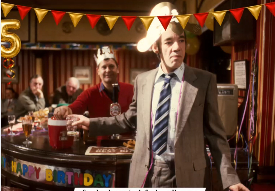
The setting of Peckham also plays an essential role in the show’s identity. The streets, markets, local pubs, and familiar neighbourhood characters create an atmosphere that feels authentic to working-class London life. The Nag’s Head, in particular, serves as a central gathering place where characters exchange gossip, discuss business, and celebrate their occasional successes. These everyday locations make the stories feel grounded and help establish the strong community spirit that runs throughout the series.
For international audiences discovering Only Fools and Horses today, the sitcom offers an entertaining introduction to British humour, cultural references, and everyday expressions. Some jokes are closely connected to the period in which the show was made, but its central themes remain universal. The desire to improve one’s circumstances, the frustrations of family life, and the importance of friendship are experiences that cross cultural and generational boundaries. This is why the series continues to find new fans through television reruns, online discussions, and recommendations from longtime viewers.
The show’s influence can also be seen in the way audiences remember its catchphrases, comic situations, and unforgettable characters. Del Boy’s confidence, Rodney’s exasperation, and the Trotters’ repeated attempts to achieve financial success have become familiar elements of British popular culture. Even people who have not watched every episode may recognise the programme’s reputation for combining physical comedy with clever writing and heartfelt storytelling.
Ultimately, Only Fools and Horses succeeds because it understands that life is rarely a straightforward journey towards success. People make mistakes, dreams change, and plans frequently go wrong, but humour and human connection can make difficult experiences easier to endure. Del Boy and Rodney’s relationship captures this truth through a combination of rivalry, affection, loyalty, and endless comic misunderstandings.
Their story reminds viewers that family members do not need to share the same ambitions or agree on every decision to care deeply about one another. Sometimes, the strongest relationships are those that survive constant disagreements while continuing to offer support when it matters most. This enduring message, combined with outstanding performances and unforgettable comedy, ensures that Only Fools and Horses remains one of the most beloved British sitcoms of all time.
Whether audiences watch it for Del Boy’s outrageous business schemes, Rodney’s sarcastic reactions, Uncle Albert’s stories, or the familiar atmosphere of Peckham, the series continues to deliver entertainment with genuine heart. Its combination of classic British comedy, relatable family relationships, and timeless life lessons explains why generations of viewers continue to return to the Trotters’ world. Long after individual episodes have ended, the humour and humanity of Only Fools and Horses remain memorable, proving that great comedy can entertain audiences while also reminding them of the importance of family, perseverance, and never giving up on the hope of a better tomorrow.