Tim Conway: The Master of Silent Comedy and Expressive Performance
Few performers could make a quiet moment feel as entertaining as Tim Conway did through his expressive face and deliberate delivery. His extraordinary ability to create laughter without relying on constant dialogue helped establish him as one of the most memorable comedians in classic television history. While many performers depend on rapid jokes, energetic movements, or exaggerated punchlines, Conway often demonstrated that a simple glance or a carefully timed pause could be just as powerful.
His distinctive approach to comedy revealed a deep understanding of human behavior. He knew that people communicate through more than words. A confused expression, a hesitant smile, or a prolonged stare can reveal embarrassment, uncertainty, or disbelief more effectively than an entire conversation. By transforming these everyday reactions into carefully constructed comedic moments, Conway created performances that felt natural, surprising, and consistently entertaining.
The Power of a Simple Facial Expression
One of Tim Conway’s greatest strengths was his remarkable control over facial expressions. He could communicate an entire range of emotions with only a subtle change in his eyes, mouth, or posture. A character might appear completely confident one second and deeply confused the next, creating an immediate contrast that encouraged audiences to laugh.
His expressions were particularly effective because they rarely seemed forced. Rather than exaggerating every reaction, Conway often allowed a moment to develop gradually. He might look at another character as though he were trying to understand an extremely complicated explanation, even when the situation was perfectly straightforward. The longer he maintained the expression, the funnier the scene could become.
This ability made his performances accessible to audiences of different ages. Viewers did not always need to understand a complicated joke or follow a lengthy conversation. They could simply observe his face and recognize the emotion behind it. His expressions communicated the humor visually, making them an essential part of his distinctive comedic identity.
How Silence Became Part of the Joke
Silence is often overlooked in comedy, but Tim Conway understood that an empty space in a conversation could become one of its funniest moments. A pause can create anticipation, allow an audience to recognize an absurdity, or make an otherwise ordinary response seem completely unexpected.
Conway frequently used deliberate pauses to control the rhythm of a performance. Instead of immediately responding to another character, he might remain still for a moment, slowly turn his head, or stare into the distance as though searching for the correct answer. This delay encouraged viewers to anticipate what would happen next.
The humor often came from the difference between the simplicity of the situation and the seriousness of his reaction. When a character treated an unimportant question as though it required extraordinary concentration, the contrast itself became entertaining.
His approach also demonstrated that silence does not necessarily mean nothing is happening. A quiet moment can contain anticipation, confusion, tension, and an implied response. Conway could make audiences pay attention to these details, transforming stillness into an active part of the performance.
Deliberate Delivery and Perfect Comedic Timing
Tim Conway’s deliberate delivery played a major role in the effectiveness of his humor. He understood that the timing of a line could matter as much as its wording. A sentence delivered too quickly might pass without much impact, while the same sentence, preceded by a thoughtful pause or followed by an unexpected expression, could produce a much stronger reaction.
His performances often allowed the audience to discover the joke rather than presenting it immediately. He might emphasize an ordinary word, hesitate before completing a sentence, or deliver a ridiculous statement with complete seriousness. These choices created a rhythm that made even familiar dialogue feel fresh.
Deliberate delivery also helped establish the personalities of his characters. Some appeared slow to understand what was happening, while others seemed unusually confident despite their obvious confusion. Conway could use pacing to distinguish these personalities and strengthen the humor without needing to explain their motivations directly.
This precision required more than simply speaking slowly. Effective timing depends on knowing when to hold a moment and when to move forward. Conway’s skill came from understanding how long an expression or pause could continue before the audience expected something different.
Turning Ordinary Reactions into Memorable Comedy
Many of Tim Conway’s funniest moments emerged from situations that seemed entirely ordinary at first. A character might listen to an explanation, attempt to answer a question, or react to an unexpected comment. What made the scene memorable was not necessarily the original situation but the unusual way Conway approached it.
He often found humor in reactions that people experience in everyday life. Confusion, embarrassment, hesitation, and uncertainty are familiar emotions, yet Conway could combine them in unexpected ways. His characters might attempt to hide their lack of understanding, only to reveal it through a puzzled look or an awkward response.
These performances encouraged audiences to recognize themselves in the comedy. Almost everyone has experienced a conversation in which they did not know what to say or a moment when a simple response became unexpectedly complicated. Conway amplified these experiences while retaining enough realism to make them relatable.
His comedy was therefore not simply about making strange faces. It involved careful observation of how people behave when they are uncertain, uncomfortable, or attempting to maintain their composure.
His Unforgettable Presence on The Carol Burnett Show
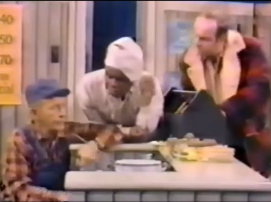
Tim Conway’s distinctive performance style became especially memorable through his appearances on The Carol Burnett Show. The program provided an ideal environment for his expressive acting, character work, and unusual sense of timing. Surrounded by talented performers, including Carol Burnett and Harvey Korman, Conway helped create sketches in which even the smallest reaction could change the direction of a scene.
His ability to introduce an unexpected expression or extend a pause created opportunities for his fellow performers to react in equally entertaining ways. The interaction between the cast members became an important part of the humor, particularly when a scene developed in an unexpected direction.
Conway’s quiet moments were especially effective within this ensemble setting. While another performer might deliver an energetic line or attempt to maintain control of a sketch, his understated reaction could provide a completely different source of laughter. The contrast between the performances gave the comedy greater depth.
These moments also demonstrated that successful television comedy depends on listening as much as speaking. A performer must remain attentive to the rhythm of the scene, recognize opportunities for reactions, and understand when a pause can contribute more than another line of dialogue.
Why His Subtle Humor Still Appeals to Audiences
Tim Conway’s style remains appealing because it rewards careful observation. His comedy does not always depend on a single obvious punchline. Sometimes, the funniest detail appears in the background of a conversation, in the expression of a character who has just realized something, or in the uncomfortable silence that follows an unexpected statement.
This approach gives his performances lasting entertainment value. Audiences can revisit classic sketches and continue appreciating small details that might have gone unnoticed during an initial viewing. A slight change in expression or a carefully controlled movement can reveal how much thought went into creating an apparently effortless moment.
His understated humor also offers a refreshing contrast to comedy that relies on constant activity. By allowing a scene to breathe, Conway showed that performers do not need to fill every second with dialogue or movement. Sometimes, restraint creates a stronger effect than exaggeration.
For aspiring comedians, his work provides a valuable lesson in observation and performance. Learning to communicate through expressions, control pacing, and use silence effectively can make a character more convincing and a joke more memorable.
The Enduring Legacy of Tim Conway’s Expressive Comedy
Tim Conway demonstrated that comedy is not measured by the number of words spoken or the amount of movement performed. Its effectiveness often depends on the relationship between a character, a situation, and the audience’s expectations. A quiet moment can become hilarious when the performer understands exactly how to present it.
Through his expressive face, deliberate delivery, and remarkable sensitivity to timing, Conway transformed simple reactions into unforgettable television moments. He showed that a pause could carry meaning, a glance could communicate a complete thought, and an ordinary conversation could become extraordinary entertainment.
His legacy continues to remind audiences that subtlety is one of comedy’s most powerful tools. The smallest detail can sometimes create the strongest reaction, especially when it is delivered with confidence, precision, and a genuine understanding of human behavior.
Ultimately, Tim Conway’s genius lay in his ability to make audiences laugh without appearing to work too hard for their attention. His quiet moments were never truly empty. They were carefully shaped opportunities for anticipation, surprise, and laughter. That extraordinary skill helped make him a beloved figure in classic television and ensured that his distinctive style of comedy would continue entertaining audiences for generations.