John Travolta’s Dance Scene in Michael Still Stands as a Peak of Pure Joy and Natural Movement on Screen
Some dance sequences impress with technical difficulty.
Others win you over with pure, unforced pleasure.
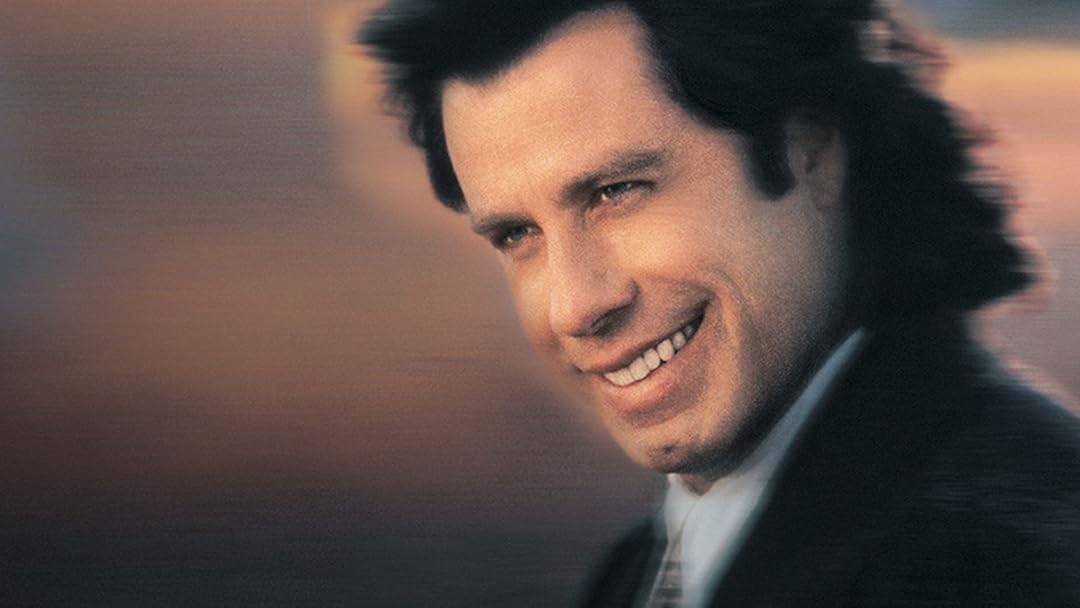
John Travolta’s bar dance in the 1996 film Michael belongs firmly in the second category. There is no elaborate choreography designed to dazzle. There is no high-concept staging. There is simply Travolta, a good song, a crowded bar, and the unmistakable sense that this man was born to move. Nearly thirty years later, the scene continues to feel like one of the most genuine expressions of joy ever captured in a mainstream American movie.
When the Archangel Michael (Travolta) steps onto that dance floor, something shifts. The room brightens. People start watching. And before long, almost everyone is moving with him. The moment works because it never feels performed for the camera. It feels lived.
A Character Who Knows How to Enjoy Himself
In Michael, Travolta plays an angel who has spent a little too much time on Earth and has developed a strong taste for its simpler pleasures — sugar, women, and dancing among them. The bar scene is the purest expression of that appetite. Michael does not dance to show off. He dances because the music is good and the night is alive.
That motivation changes everything. Many on-screen dance moments carry the weight of proving something — skill, coolness, romantic interest. This one carries none of that pressure. Travolta simply starts moving, and the pleasure is so visible that it becomes contagious. Viewers feel it the same way the other characters in the bar do.
The Natural Advantage
Travolta has always possessed a rare quality as a dancer: he makes it look easy. That quality is on full display here. Even wearing a heavy overcoat, he moves with loose precision and complete comfort in his own body. There is no stiffness, no visible calculation. The rhythm seems to live in him rather than being applied from the outside.
That naturalness is what separates the scene from many other movie dance numbers. You do not watch it thinking about steps or rehearsals. You watch it thinking, “That looks like fun.” And because Travolta commits so fully to the enjoyment, the fun becomes real for the audience as well.
The camera stays with him long enough for the feeling to land. It does not cut away every few seconds for reaction shots. It lets the dance breathe. That patience allows the joy to build instead of being constantly interrupted.
Pulling the Whole Room In
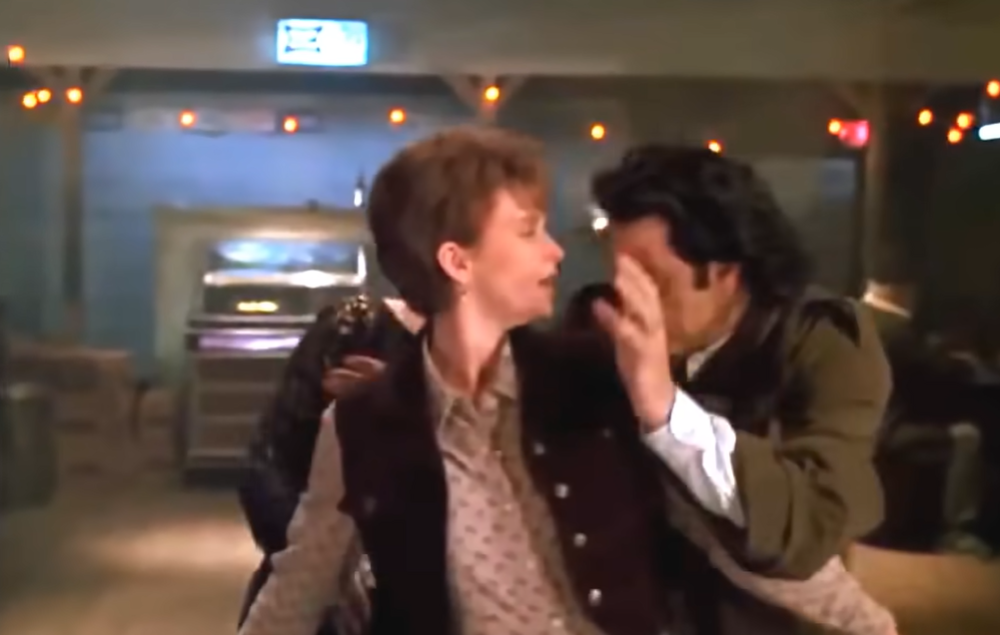
One of the quiet strengths of the sequence is how gradually the rest of the bar joins in. Michael does not demand attention. He simply occupies the floor with so much ease and pleasure that other people start to follow. First a few, then more, until the space has transformed from an ordinary night out into a shared celebration.
That progression mirrors something true about real life. The best dancers are often the ones who make other people want to move rather than the ones who force the spotlight onto themselves. Travolta’s Michael understands this instinctively. He creates an invitation instead of a performance, and the room accepts it.
Why the Scene Still Feels Fresh
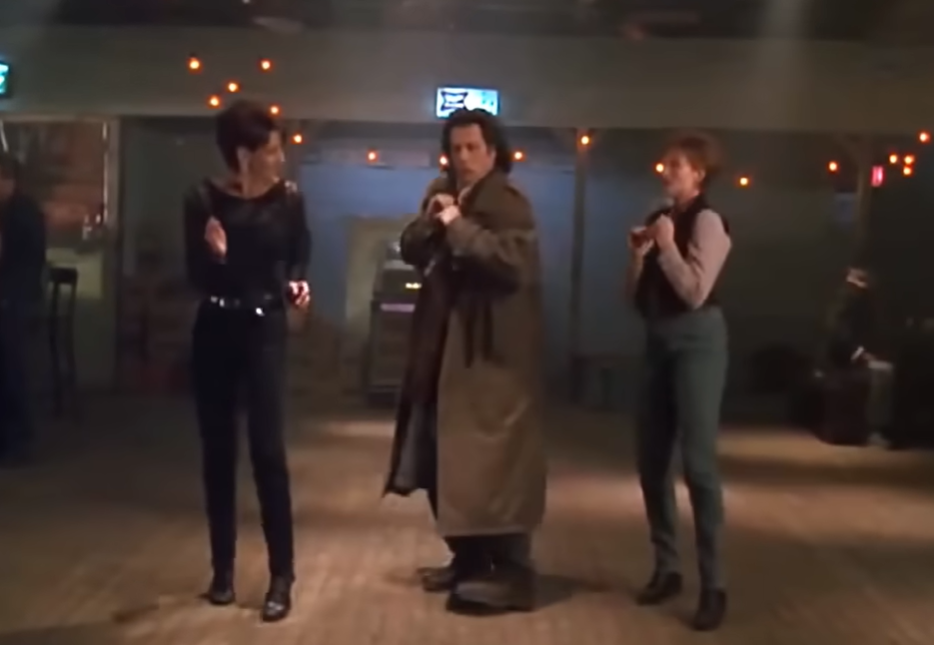
Plenty of 1990s movie moments have aged into pure nostalgia. This one has largely avoided that fate. The reasons are simple and durable.
First, the dancing itself remains appealing. Styles change, but the sight of someone completely at home in their body while moving to music does not go out of date. Second, the emotional tone is generous. There is no cynicism in the scene, no undercutting irony. It offers uncomplicated pleasure, and that is rarer on screen than it should be. Third, Travolta’s screen presence has always translated well across decades. The same qualities that made him a star in the 1970s are fully visible here in the mid-1990s, and they still register today.
For many viewers, the scene also carries personal associations — first dates, nights out, the simple memory of being in a room where the music was good and people were happy. Rewatching it becomes a small form of time travel that still feels warm rather than distant.
A Reminder of What Travolta Does Best
Travolta’s career contains several iconic dance moments, from the controlled intensity of Saturday Night Fever to the sly cool of Pulp Fiction. The Michael sequence sits comfortably among them, but it occupies its own category. It is less about attitude and more about delight. It shows a performer who understands that dancing can be an act of pure generosity — something offered to the room rather than demanded from it.
That generosity is why the scene continues to reward repeated viewings. You can return to it in different moods and still find the same open-handed pleasure waiting there. Few movie moments deliver that kind of consistent emotional return.
A High Point of Screen Joy
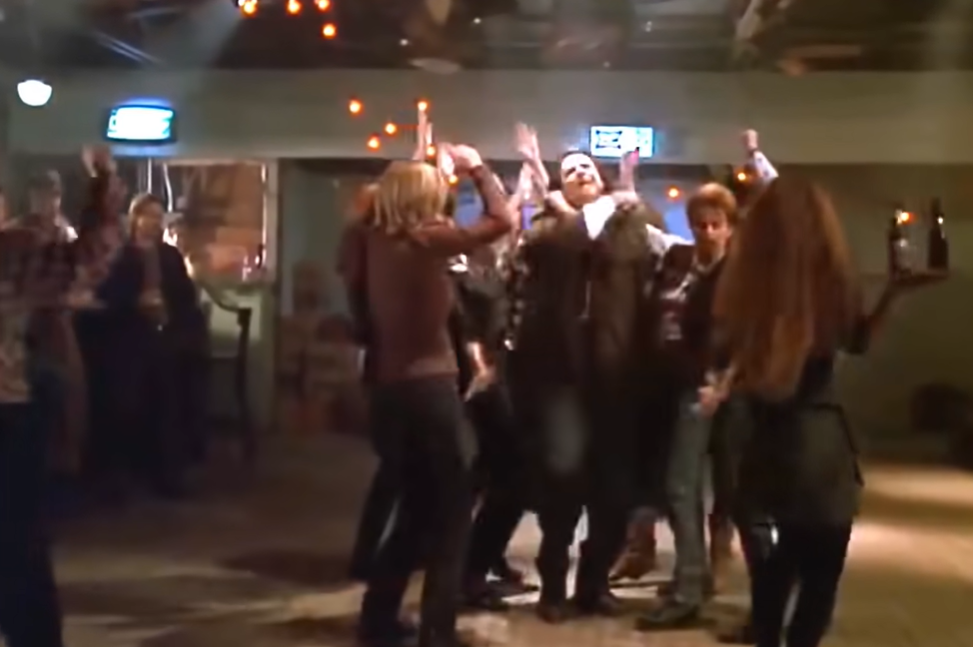
Would you have been able to stay seated once Travolta started moving across that bar floor?
Or would the combination of easy rhythm, visible happiness, and sheer magnetic presence have pulled you in the same way it pulls the other characters — and audiences — every time?
Watch the scene again. Notice how little he forces. Pay attention to the exact moment the rest of the room begins to join him. Listen to the way the music and the movement seem to invent each other in real time. Then decide for yourself whether any later film dance sequence has matched this particular blend of natural talent, character truth, and uncomplicated joy.
Drop your thoughts in the comments. Some dance scenes are designed to impress. John Travolta’s turn in Michael was designed to make people feel good — and more than twenty-five years later, it is still doing exactly that.