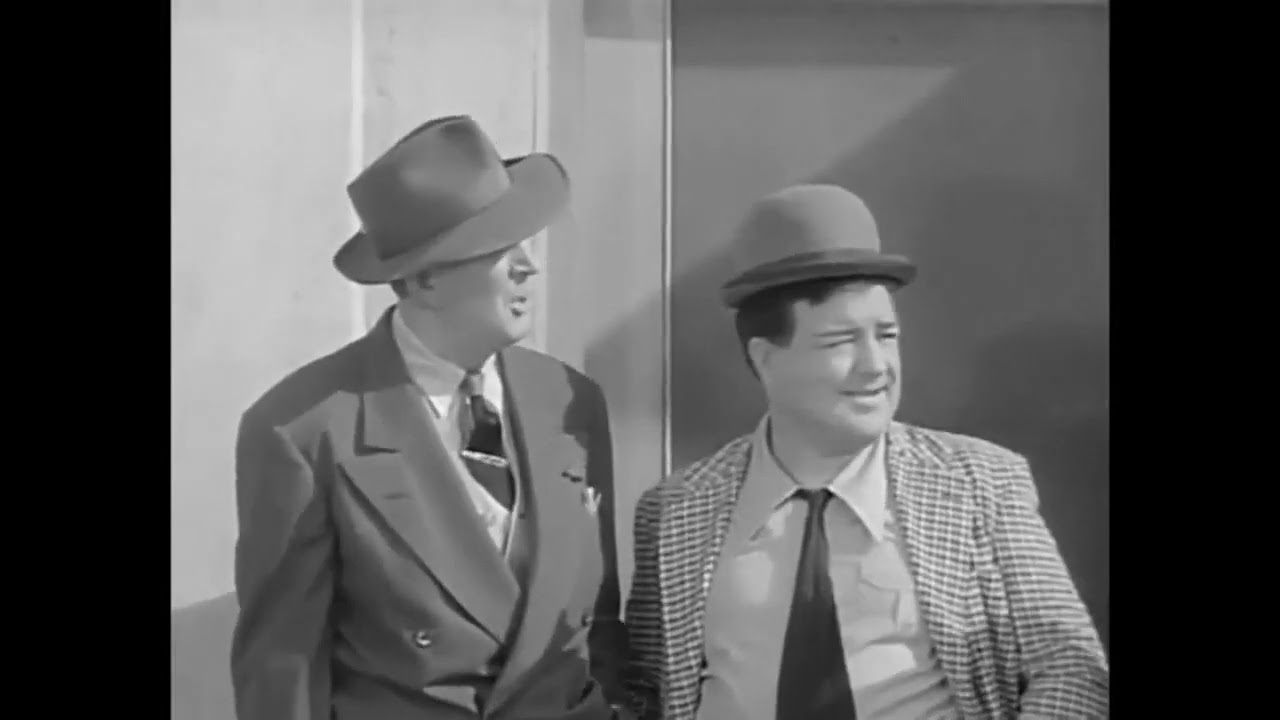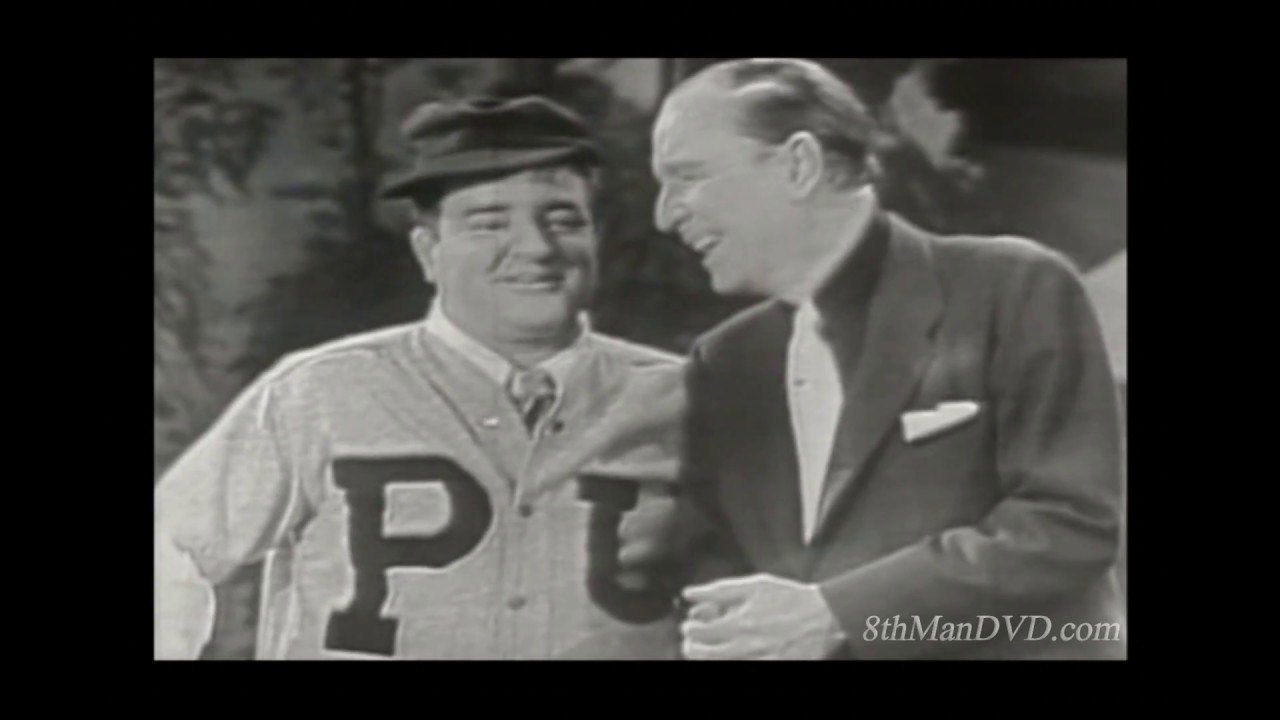
When Tim Conway paused dramatically, the audience already knew something ridiculous was coming. That pause was never simply empty silence. It was a carefully timed moment that allowed anticipation to build before the next unexpected action. Conway understood that audiences could become just as excited by waiting for a joke as they were by hearing the joke itself. His ability to control that anticipation became one of the most recognizable features of his comedy.
The longer he waited, the more curious the audience became. A simple expression could suddenly seem extremely important. Conway might look toward another character, remain completely silent, and allow the tension to grow. The audience already understood that the silence could not last forever. Something was coming, but nobody knew exactly what it would be. That uncertainty created an irresistible comic atmosphere.
His pauses were especially effective because Conway often looked completely serious during them. He did not smile to tell the audience that a joke was coming. Instead, he maintained a straight face and treated the situation as though it were perfectly normal. This seriousness made the eventual punchline even funnier because the audience could see the enormous contrast between his expression and the ridiculous behavior that followed.
A dramatic pause also gave Conway room to let his physical comedy develop. Instead of immediately performing a large gesture, he could begin with something incredibly small. He might shift his eyes, move his head slightly, adjust his posture, or slowly turn toward another person. Each movement seemed insignificant on its own, but together they created a carefully constructed comic sequence.
This style of comedy required exceptional patience. Many performers are tempted to move quickly because they fear losing the audience’s attention. Conway understood the opposite principle. He knew that a well-placed pause could make the audience pay even closer attention. When everyone became silent and waited for his next move, he had complete control of the room.
His timing could make a simple reaction feel enormous. A character might ask him an ordinary question, and Conway would respond with a long, thoughtful pause as if he were considering the most complicated problem imaginable. The audience knew that the question did not deserve such serious consideration, which made his exaggerated response hilarious.
The humor often came from the mismatch between the seriousness of the performance and the simplicity of the situation. Conway could treat a tiny problem like a national emergency. He might stare at an object, hesitate before touching it, or carefully prepare to perform an ordinary action. By stretching the moment beyond what seemed reasonable, he transformed everyday behavior into comedy.
His dramatic pauses also allowed other performers to become part of the joke. A scene partner might wait patiently for Conway to respond, only to realize that the silence was becoming longer and stranger. The other actor’s reaction could then add another layer of humor. Sometimes the funniest part was watching one performer try desperately to remain serious while Conway slowly destroyed the rhythm of the scene with his perfectly timed behavior.
This was particularly effective in ensemble comedy. Conway did not need to dominate every second of a scene. Instead, he could create a small moment that gradually affected everyone around him. A single pause could make another performer hesitate. That hesitation could lead to another reaction. Suddenly, a tiny moment had become a chain of comic consequences.
His use of silence also demonstrated how much he understood the psychology of an audience. People naturally become more attentive when something unexpected interrupts a normal rhythm. When a conversation suddenly stops, viewers begin wondering why. Conway used that natural curiosity to his advantage. He could create suspense without any dramatic music, special effects, or complicated storytelling.
The audience often knew the structure of the joke without knowing the exact outcome. They knew Conway was probably about to do something strange, but they could not predict precisely what it would be. That small uncertainty kept the laughter fresh. Even if the basic technique was familiar, the specific movement or reaction could still surprise viewers.
Another important feature of his pauses was their flexibility. Conway could use them before a punchline, after a strange statement, during a physical action, or simply in the middle of a conversation. He treated silence as another tool in his comic toolbox. Just as a musician uses rests between notes, Conway used pauses between actions to create rhythm.
His performances showed that comedy has a rhythm similar to music. Fast movements can create excitement, while slow movements can create anticipation. A sudden pause can interrupt the rhythm and make the next action more powerful. Conway had an extraordinary sense of this rhythm, allowing him to move between silence, movement, dialogue, and reaction without making the performance feel forced.
Sometimes the pause itself became the joke. The audience might begin laughing before Conway did anything because they understood that his silence had become part of the performance. The expectation alone was enough to generate laughter. This was a sign of his mastery because he could create a comic reaction without delivering a traditional punchline.
His facial expressions made those pauses even stronger. Conway could stare with complete innocence, confusion, or exaggerated seriousness. A single look could suggest an entire story. The audience might imagine what his character was thinking, and the longer Conway held the expression, the funnier that imagined thought became.
He was also skilled at using delayed reactions. Instead of responding immediately to something another character said, he might take several seconds before reacting. That delay made the response feel unexpected. The audience could sense that Conway was deliberately stretching the moment, but his character appeared completely sincere.
This technique became especially powerful when his character seemed confused. A confused person naturally needs time to process information, and Conway exaggerated that process for comic effect. He could stare, blink, hesitate, and slowly react as though the simplest sentence had created an enormous intellectual challenge.
The result was comedy that felt both carefully controlled and wonderfully unpredictable. Conway knew exactly how long a moment could last before the audience needed something new, yet he made the performance look spontaneous. That balance between precision and apparent randomness was one of the reasons his comedy remained so effective.
His dramatic pauses also helped define the personality of many characters he portrayed. The pause could suggest innocence, uncertainty, arrogance, nervousness, or complete misunderstanding. It was not merely a technical trick. It became a way of showing the audience what kind of person they were watching.
For Conway, silence was never the absence of comedy. Silence was part of the comedy itself. A pause could create suspense, reveal character, build anticipation, and prepare the audience for an unexpected physical reaction. His ability to make silence entertaining demonstrated how much he could accomplish without saying a word.
This is why his pauses remain so memorable. They gave the audience a moment to wonder, predict, and anticipate. Then, just when everyone believed they knew what was coming, Conway could deliver something slightly different. The surprise was often small, but because the anticipation had been so carefully built, the laughter could be enormous.
Tim Conway understood that the funniest moments do not always arrive immediately. Sometimes, comedy becomes stronger when the performer waits. Sometimes, a few seconds of silence can create more anticipation than a page of dialogue. And sometimes, the audience begins laughing before the joke even arrives because they already recognize the mischievous rhythm of the performer.
When Tim Conway paused dramatically, he was not simply waiting for his next line. He was preparing the entire audience for a comic surprise. His silence became a signal, his expression became a warning, and his next movement became the payoff. With remarkable patience and precision, he could turn a quiet moment into one of the funniest parts of the entire scene.