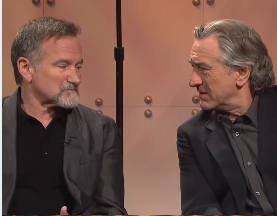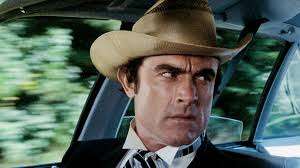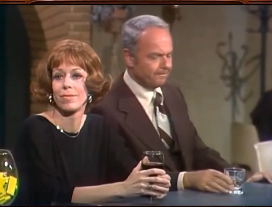
A single look from Tim Conway could say more than an entire paragraph. His eyes, eyebrows, and carefully controlled facial expressions became part of his comedic language. He did not always need a long speech to explain what a character was thinking. Sometimes a quick glance toward another performer was enough to reveal confusion, suspicion, embarrassment, or complete disbelief. That subtle form of communication allowed his comedy to feel immediate and effortless.
What made his expressions especially effective was the contrast between his face and the ridiculous situation around him. Conway could maintain an almost innocent expression while everything around him became increasingly chaotic. The audience could see that something was going terribly wrong, yet his character might react with the calmest possible expression. That contrast created an additional layer of humor because the reaction seemed completely inappropriate for the situation.
His facial expressions also helped him control the rhythm of a scene. Instead of rushing from one joke to another, Conway could pause and let a reaction breathe. A raised eyebrow could delay the next line. A slow turn of the head could make the audience anticipate what would happen next. Even silence could become part of the punchline. His ability to use these small moments showed how much comedy could exist between spoken lines.
Another remarkable quality was his ability to make reactions look spontaneous. When another performer delivered an unexpected line or created a ridiculous situation, Conway often appeared genuinely surprised. That sense of discovery made viewers feel as though they were watching something happen for the first time. The reaction itself became a joke, even before the next scripted moment arrived.
His eyes could also establish a character’s personality without requiring an explanation. A nervous glance could make a character appear uncertain. A confused stare could suggest that the character had completely lost track of the situation. A long, silent look could communicate that he was silently questioning everyone around him. These tiny details gave his characters personalities that audiences could recognize almost immediately.
This was particularly valuable in ensemble comedy. When several performers were sharing a scene, Conway did not need to dominate the conversation to attract attention. He could remain slightly in the background and deliver a reaction that quietly stole the moment. His ability to support another performer while simultaneously creating another layer of humor demonstrated his understanding of comedic ensemble work.
The power of his expressions also came from their restraint. Conway rarely needed exaggerated reactions every second. By keeping his face relatively controlled, he made the smallest change much more noticeable. A tiny movement of the mouth or a brief widening of the eyes could suddenly become hilarious because the audience had already become accustomed to his calm appearance.
His comedy therefore demonstrated an important principle of performance: sometimes the strongest joke is the reaction to the joke. A character may say something absurd, but the person listening can make the moment even funnier simply by looking at him in disbelief. Tim Conway understood this principle exceptionally well. He knew when to speak, when to move, and, perhaps most importantly, when to simply look.
That talent made his performances highly memorable. Viewers could remember not only what he said but also the expression he made immediately afterward. His face became another storytelling tool, capable of communicating emotions that words could not capture as efficiently. In his hands, a silent reaction was never truly silent because it carried its own comedic meaning.
Tim Conway’s gift was ultimately about precision. Every glance seemed to have a purpose, even when it appeared completely accidental. He could stretch a moment, redirect attention, or make an ordinary exchange suddenly feel ridiculous. His expressions helped transform simple comedy into something richer, where dialogue, movement, silence, and reaction worked together.
That is why watching Tim Conway often felt like listening to a conversation that included an invisible language. His characters could speak with their mouths, but they could also speak with their eyes, faces, posture, and timing. A single glance could reveal an entire thought process, allowing the audience to understand the joke without anyone explaining it.
In classic television comedy, where performances often depended on strong personalities and precise timing, this subtle skill gave Tim Conway a distinctive presence. He did not always need the biggest line or the loudest reaction. Sometimes he only needed to look at the situation, let the expression settle on his face, and allow the audience to discover the joke for themselves. That quiet confidence became one of the most entertaining parts of his comedic style.