LEGENDS OF THE FALL (1994): THREE BROTHERS, ONE DEVASTATING WAR, AND THE LOVE THAT TORE THEIR FAMILY APART FOREVER
Three Brothers Entered Adulthood Together — But Fate Had Already Written Their Tragedy
Some families are destroyed by enemies. Others are torn apart by the very emotions that once held them together.
In Legends of the Fall (1994), three brothers grow up believing that their bond will survive anything.
Alfred, Tristan, and Samuel Ludlow share a childhood surrounded by the breathtaking wilderness of Montana. Their father, Colonel William Ludlow, has abandoned military life to raise his sons far from the corruption and violence of the outside world.
For years, their home represents freedom, loyalty, and the promise of a better future.
But everything changes when war arrives.
One brother never returns.
Another becomes consumed by grief and guilt.
And the eldest finds himself trapped in a painful rivalry with the brother he once loved.
What begins as a story of brotherhood becomes an unforgettable tragedy about war, jealousy, forbidden longing, and the terrible price of love.
Directed by Edward Zwick and starring Brad Pitt, Anthony Hopkins, Aidan Quinn, Henry Thomas, and Julia Ormond, Legends of the Fall remains one of Hollywood’s most emotionally powerful family dramas.
THREE BROTHERS. ONE FAMILY. A WAR THAT CHANGED EVERYTHING.
And even after the fighting ends, their greatest battles are still waiting at home.
The Ludlow Ranch: A Paradise Built Far From Civilization
The story begins in the early twentieth century on a remote Montana ranch.
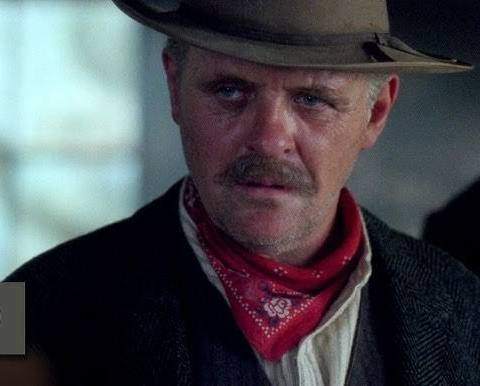
Colonel William Ludlow, portrayed by Anthony Hopkins, has withdrawn from the United States Army after becoming disillusioned with government policies and military violence.
He wants his sons to grow up in a world where personal freedom matters more than political ambition.
His ranch becomes a sanctuary surrounded by forests, rivers, mountains, and vast open landscapes.
Here, the Ludlow brothers develop strong personalities.
Alfred, the eldest, is disciplined, ambitious, and responsible.
Tristan, the middle son, is restless, passionate, and deeply connected to nature.
Samuel, the youngest, is gentle, idealistic, and eager to experience the wider world.
Despite their differences, the brothers share a powerful emotional bond.
They ride together, work together, and grow into adulthood beneath their father’s watchful eye.
But the peace of their childhood cannot last forever.
The world beyond Montana is changing.
And the forces William has tried to escape will eventually reach his family.
Anthony Hopkins as Colonel William Ludlow: A Father Who Distrusted the World
Anthony Hopkins delivers a commanding performance as Colonel William Ludlow.
William is proud, stubborn, and fiercely protective of his sons.
His years in the military have left him deeply suspicious of government authority.
He has witnessed injustice and believes that civilization often disguises cruelty beneath the language of duty and patriotism.
That disillusionment explains why he has chosen an isolated life.
But William is not simply an angry former soldier.
He is also a father whose greatest hope is to keep his family together.
He wants his sons to remain safe.
He wants them to build meaningful lives.
And he believes the ranch can protect them from the destructive forces of the outside world.
Unfortunately, his children do not all share his worldview.
Samuel believes that some causes are worth fighting for.
Alfred seeks success within the society his father rejects.
Tristan follows his own instincts, often without considering the consequences.
William can guide his sons, but he cannot control their destinies.
That painful limitation becomes the central tragedy of his life.
The Barroom Confrontation: Four Beers and a Powerful Statement About Respect
One memorable scene in Legends of the Fall takes place in a bar, where Colonel Ludlow confronts prejudice directed toward a Native American companion.
The sequence, often associated with the film’s “Four Beers” clip, reveals an important aspect of William’s personality.
He refuses to accept discriminatory treatment simply because society considers it normal.
When the bartender’s behavior challenges the dignity of his companion, William responds with the authority and defiance that define his character.
The encounter is not merely an argument about drinks.
It reflects William’s longstanding opposition to injustice.
His decision to leave the Army was influenced by his disillusionment with the treatment of Native Americans.
Now, in an ordinary public setting, those principles become personal.
He is unwilling to remain silent when someone he respects is treated unfairly.
The scene also demonstrates Anthony Hopkins’ remarkable screen presence.
William does not need elaborate action to establish his authority.
His expression, posture, and controlled intensity make it clear that he is not a man who tolerates disrespect.
This confrontation helps audiences understand why his sons admire him, even when they disagree with his beliefs.
He is difficult, uncompromising, and sometimes intimidating.
But he possesses a moral conviction that shapes the entire family.
Samuel Ludlow: The Youngest Brother Who Believed in Honor
Samuel, portrayed by Henry Thomas, represents innocence and idealism.
Unlike his older brothers, Samuel has not yet experienced the full brutality of the world.
He believes in duty, sacrifice, and the importance of standing up for what is right.
When World War I begins, Samuel feels compelled to join the conflict.
His decision creates tension with his father.
William understands the horrors of war and wants no part of another military campaign.
But Samuel sees the conflict differently.
He believes that serving is an honorable responsibility.
Despite his father’s objections, Samuel prepares to leave.
His brothers refuse to let him face the danger alone.
Alfred and Tristan accompany him into military service.
For Tristan, the decision is especially personal.
He is determined to protect Samuel.
The youngest Ludlow is more than a brother.
He represents something innocent and precious that Tristan cannot bear to lose.
But the battlefield does not respect promises.
The War That Took Samuel and Destroyed Tristan’s Peace
World War I changes the Ludlow family forever.
The brothers encounter a world of violence, fear, and unimaginable suffering.
Tristan attempts to protect Samuel, but the chaos of battle makes that promise impossible to fulfill.
Samuel is killed.
His death becomes the emotional turning point of the entire film.
For Tristan, the loss is unbearable.
He believes he has failed the person he most wanted to protect.
His grief becomes tangled with guilt, anger, and a desperate need to escape.
Alfred also returns deeply affected by the war.
But the brothers respond to their suffering in different ways.
Alfred seeks stability and purpose.
Tristan becomes increasingly restless and emotionally unpredictable.
Back in Montana, William must confront the nightmare he had feared from the beginning.
The war he opposed has taken his youngest son.
And the surviving brothers will never be the same.
THEY WENT TO WAR AS THREE BROTHERS… BUT ONLY TWO CAME HOME.
Susannah Fincannon: The Woman Who Entered Their Lives Before Everything Fell Apart
Before the war, Samuel introduces his fiancée, Susannah Fincannon, to the Ludlow family.
Portrayed by Julia Ormond, Susannah is intelligent, warm, and fascinated by the unconventional world of the ranch.
She quickly becomes part of the household.
But her arrival also introduces complicated emotions.
Alfred develops feelings for her.
Tristan is drawn to her beauty and spirit.
And Susannah finds herself increasingly fascinated by Tristan’s wild personality.
At first, these feelings remain beneath the surface.
Samuel is still alive, and Susannah expects to marry him.
But after his death, the emotional relationships within the family begin to change.
Susannah and Tristan find comfort in their shared grief.
Their connection gradually develops into a passionate romance.
For Alfred, this becomes another devastating loss.
He has already lost his youngest brother.
Now he must watch the woman he loves choose Tristan.
The rivalry that follows will change the family forever.
Alfred Ludlow: The Brother Who Always Felt Second Best
Aidan Quinn gives Alfred a quiet emotional intensity that makes his character deeply sympathetic.
Alfred is the eldest brother.
He is responsible, hardworking, and ambitious.
He believes that discipline and determination should lead to success.
But he has spent much of his life feeling overshadowed by Tristan.
Tristan possesses a natural charisma that Alfred cannot imitate.
People are drawn to him.
His father understands his wild nature.
And Susannah falls in love with him.
For Alfred, the situation becomes unbearable.
He believes he has done everything correctly.
He has worked hard.
He has behaved responsibly.
He has tried to build a respectable future.
Yet the person he loves most chooses his unpredictable younger brother.
His resentment grows.
Eventually, Alfred distances himself from the ranch and pursues a different life.
He becomes successful in business and politics.
But his achievements cannot erase the emotional pain of feeling rejected.
His rivalry with Tristan is not simply about Susannah.
It is about years of comparison, jealousy, and the desperate desire to be valued.
Tristan Ludlow: The Brother Who Could Never Escape His Own Darkness
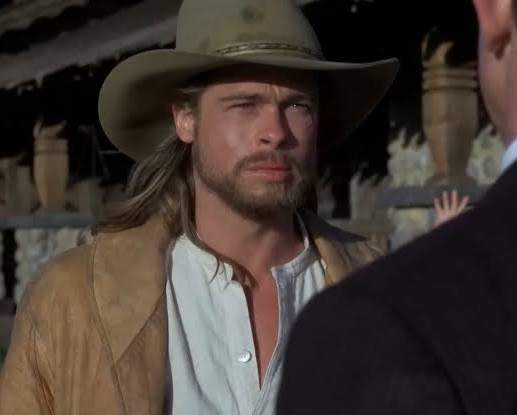
Brad Pitt’s portrayal of Tristan remains one of the defining performances of the film.
Tristan is passionate, impulsive, and fiercely independent.
He has an almost spiritual connection with the wilderness.
But beneath his adventurous personality lies a man deeply wounded by grief.
Samuel’s death becomes a burden he cannot release.
Even when Tristan finds love with Susannah, he struggles to remain emotionally present.
He is drawn toward escape.
The world beyond the ranch seems to offer the possibility of outrunning his memories.
But no amount of travel can erase what happened during the war.
His relationship with Susannah suffers because of his emotional instability.
He loves her, yet he cannot provide the security she needs.
Eventually, he leaves.
His departure devastates her.
It also reinforces Alfred’s belief that Tristan destroys the happiness of everyone around him.
Tristan becomes both the romantic hero and one of the greatest sources of pain in the story.
Love Divided the Brothers More Deeply Than War
The tragedy of Legends of the Fall is that surviving the battlefield does not bring peace.
Alfred and Tristan return home carrying the same devastating loss.
But instead of finding comfort in their shared grief, they become divided by love.
Both men have feelings for Susannah.
Yet their approaches to love are completely different.
Alfred offers devotion, stability, and a conventional future.
Tristan offers passion, intensity, and emotional uncertainty.
Susannah is drawn to Tristan despite the pain that relationship eventually causes.
Alfred struggles to accept her choice.
His resentment toward Tristan grows stronger.
The brothers who once stood together against the dangers of war now find themselves separated by jealousy.
Their conflict demonstrates how emotional wounds can become more destructive when left unresolved.
War takes Samuel’s life.
But love and resentment threaten to destroy the bond between Alfred and Tristan.
Susannah’s Heartbreaking Choice
After Tristan leaves, Susannah faces a painful reality.
The man she loves has disappeared from her life.
She waits for him, hoping that he will eventually return.
But Tristan’s absence continues.
Eventually, she must confront the possibility that their relationship is over.
Alfred remains devoted to her.
He offers the stability that Tristan could never promise.
Susannah ultimately marries Alfred.
On the surface, their marriage appears to represent a new beginning.
Alfred has become a successful and respected man.
He can provide a comfortable life.
But emotional security cannot always erase unresolved love.
Susannah continues to struggle with her feelings for Tristan.
And Alfred cannot completely escape the knowledge that his wife once loved his brother.
Their marriage becomes another example of how the past continues shaping the family’s future.
Colonel Ludlow Watches His Family Fall Apart
For William Ludlow, the destruction of his family is almost impossible to accept.
He built the ranch to protect his sons from the outside world.
But the greatest threats to their happiness have come from war, grief, and personal conflict.
Samuel is dead.
Alfred has distanced himself from the family.
Tristan repeatedly disappears into the wilderness and beyond.
And Susannah’s suffering becomes another source of sorrow.
William can no longer preserve the family life he once imagined.
His authority, which seemed so powerful during the brothers’ childhood, proves inadequate against the forces shaping their adult lives.
Anthony Hopkins portrays this decline with extraordinary emotional depth.
William’s frustration is not simply anger.
It is the helplessness of a father watching his children suffer.
He can confront prejudice in a bar.
He can challenge political authority.
He can survive the hardships of frontier life.
But he cannot restore the family he has lost.
The Stroke That Silences a Powerful Man
As the years pass, William suffers a stroke that severely affects his ability to speak.
The transformation is heartbreaking.
The once-commanding colonel becomes physically vulnerable.
His strong personality remains, but communicating becomes difficult.
For a man accustomed to expressing himself through authority and forceful language, the loss is devastating.
Hopkins delivers an emotionally powerful performance through facial expressions, gestures, and limited speech.
William’s frustration is visible.
He still wants to protect his family.
He still has opinions about the world.
But his body no longer allows him to act as freely as before.
The illness also changes his relationship with Tristan.
Their connection becomes more dependent on emotional understanding than spoken words.
The father who once guided his son must now accept help from him.
This reversal gives their relationship additional tenderness.
Tristan’s Attempt to Build a Peaceful Life
After years of wandering, Tristan eventually returns to Montana and attempts to establish a more stable future.
He marries Isabel Two, a young woman connected to the ranch community.
Their relationship offers Tristan the possibility of happiness after years of emotional turmoil.
He becomes a husband and father.
For a time, it appears that he has finally found the peace that once seemed impossible.
But the film refuses to offer an uncomplicated happy ending.
Tragedy returns.
Isabel Two is killed during a confrontation involving law enforcement and the family’s illicit liquor business.
Her death devastates Tristan.
Once again, he loses someone he loves.
And once again, grief threatens to consume him.
The cycle of violence and suffering continues.
Tristan’s attempt to build a peaceful domestic life is destroyed by forces beyond his control.
Susannah’s Tragic Ending
Susannah’s emotional journey is among the most heartbreaking elements of the film.
She has endured Samuel’s death, Tristan’s abandonment, and years of unresolved longing.
Although she marries Alfred, she remains haunted by the life she once imagined.
When Tristan establishes a family with Isabel Two, Susannah must confront the painful reality that he has moved forward without her.
Her emotional suffering becomes overwhelming.
Eventually, Susannah dies by suicide.
The film presents her death as a devastating culmination of grief, isolation, and unresolved emotional pain.
Her tragedy leaves another permanent wound in the Ludlow family’s history.
For Alfred, the loss is especially painful.
He has loved Susannah for years.
He has tried to build a life with her.
But he cannot protect her from the suffering that consumes her.
The film’s romantic conflict ends not with victory for either brother, but with another irreversible loss.
The Final Confrontation: Brotherhood Survives Beneath the Hatred
Despite years of rivalry, Alfred and Tristan remain connected by their shared history.
They grew up together.
They loved the same family.
They survived the same war.
And they endured the loss of Samuel.
Their resentment becomes powerful, but it never completely erases their bond.
During the film’s final violent confrontation, Alfred ultimately helps protect Tristan.
The moment reveals that their brotherhood has survived beneath years of anger and disappointment.
Their relationship may never return to the innocence of childhood.
Too much has happened.
Too many people have died.
And too many painful words and choices cannot be undone.
But Alfred’s actions demonstrate that family loyalty still matters.
The brothers have spent years divided by love.
Yet when danger threatens, the bond between them reemerges.
It is one of the film’s most emotionally satisfying moments.
Not because every wound is healed, but because forgiveness remains possible.
The Beauty and Tragedy of Edward Zwick’s Direction
Edward Zwick gives Legends of the Fall the visual grandeur of a classic Hollywood epic.
The film’s sweeping landscapes reflect the freedom and emotional intensity of its characters.
Montana’s wilderness becomes more than a backdrop.
It symbolizes the world William Ludlow wanted to create for his family.
The open plains represent independence.
The mountains suggest permanence.
And the rivers evoke the passage of time.
But the beauty of the landscape contrasts sharply with the suffering of the characters.
Nature remains magnificent even as the family experiences devastating losses.
The film’s cinematography, which won an Academy Award, reinforces this contrast.
Its expansive visual style makes the Ludlow family’s story feel both intimate and legendary.
James Horner’s Music Makes Every Loss Unforgettable
James Horner’s musical score is an essential part of the film’s emotional impact.
His sweeping compositions capture the grandeur of the American West while expressing the characters’ longing and grief.
The music accompanies moments of family happiness, romantic passion, and devastating loss.
Its recurring themes help connect events across decades.
For viewers, the score becomes inseparable from the story of the Ludlow brothers.
A single melody can recall Samuel’s innocence.
Another passage can evoke Tristan’s restless spirit.
And the music’s melancholy atmosphere reinforces the tragedy of a family unable to escape its past.
Horner’s work helps transform the film into an unforgettable emotional experience.
Why Legends of the Fall Remains a Timeless Family Tragedy
More than three decades after its release, Legends of the Fall continues to move audiences.
Its story combines romance, war, family conflict, and personal tragedy.
But its lasting power comes from the emotional complexity of its characters.
William wants to protect his sons.
Samuel wants to do what he believes is right.
Alfred wants love and recognition.
Tristan wants freedom and peace from his guilt.
Susannah wants a happiness that repeatedly slips beyond her reach.
Each character pursues something deeply human.
Yet their choices often create suffering for themselves and others.
That is what makes the story tragic.
Nobody begins with the intention of destroying the family.
But grief, jealousy, and unresolved longing gradually pull them apart.
The film reminds audiences that love is not always enough to prevent loss.
And surviving tragedy does not guarantee that people will know how to live afterward.
Conclusion: Three Brothers Had Everything — Until War and Love Took It Away
Legends of the Fall is more than a romantic drama.
It is the story of a family that begins with extraordinary hope and gradually becomes consumed by loss.
Three brothers grow up together beneath the protection of a fiercely devoted father.
They share a home, a childhood, and dreams of the future.
But World War I destroys their innocence.
Samuel is killed.
Tristan returns haunted by guilt.
Alfred struggles with grief and jealousy.
Then love creates a second battlefield.
Susannah’s relationships with the surviving brothers expose emotional wounds that neither man can fully overcome.
Their rivalry divides the family for years.
And the tragedies that follow leave permanent scars.
Yet beneath the heartbreak, the story also reveals the enduring power of family loyalty.
Even after years of resentment, Alfred and Tristan remain brothers.
Their bond is damaged, but not completely destroyed.
THREE BROTHERS ENTERED ADULTHOOD TOGETHER. WAR TOOK ONE. LOVE DIVIDED THE OTHERS. AND NOTHING WAS EVER THE SAME. 💔🔥
In the end, Legends of the Fall reminds us that the greatest tragedies are not always fought on battlefields.
Sometimes, they unfold inside the hearts of the people we love most.
WAR STOLE THEIR INNOCENCE. LOVE BROKE THEIR HEARTS. BUT BROTHERHOOD LEFT A MARK THAT TIME COULD NEVER ERASE. 🥀🏔️
#LegendsOfTheFall #BradPitt #AnthonyHopkins #AidanQuinn #HenryThomas #JuliaOrmond #TristanLudlow #WilliamLudlow #ClassicMovies #HollywoodClassics #FamilyDrama #WarDrama #HeartbreakingMovies