Skip to content

Recent Posts

  • Tim Conway didn’t need a big stage to create unforgettable comedy. His smallest gestures could bring the biggest laughs.
  • His physical movements made his characters even more entertaining.
  • Tim Conway’s secret weapon was often doing absolutely nothing at exactly the right moment.
  • His appearance on Mork & Mindy introduced his comedy to a wider international audience.
  • 😂🔥 JIM CARREY UNLEASHED TOTAL CHAOS ON SNL — AND THE JIMMY STEWART IMPRESSION MADE IT EVEN FUNNIER!

Most Used Categories

  • Reels (8,050)
  • Sport News (1,340)
  • News (272)
  • Music (27)
  • Home (2)
Skip to content

VB News

Subscribe
  • Privacy Policy
  • Terms of Use
  • About Us
  • Contact Us
  • HOME
  • Home
  • 🎸🔥 GEORGE HARRISON SHOCKED AMERICAN TELEVISION IN 1968 — THE QUIET BEATLE SPOKE UP WHEN OTHERS FACED CENSORSHIP!

🎸🔥 GEORGE HARRISON SHOCKED AMERICAN TELEVISION IN 1968 — THE QUIET BEATLE SPOKE UP WHEN OTHERS FACED CENSORSHIP!

kimjiwonNovember 23, 2026
🎸🔥 NOVEMBER 1968: GEORGE HARRISON SURPRISED AMERICAN TELEVISION — AND DELIVERED A POWERFUL MESSAGE ABOUT FREEDOM OF SPEECH!


The Night George Harrison Made an Unexpected Television Appearance

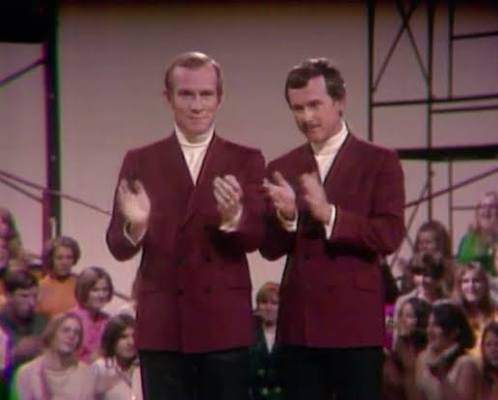
On November 15, 1968, George Harrison, the legendary guitarist of The Beatles, recorded a remarkable guest appearance for one of America’s most controversial and influential television programs, The Smothers Brothers Comedy Hour.

The appearance took place in Los Angeles during a particularly fascinating period in Harrison’s career.

While millions knew him as the quiet, thoughtful guitarist of the world’s most famous band, Harrison was increasingly developing his own artistic identity and personal philosophy.

But this television appearance was not about performing another Beatles hit.

Instead, George used his brief moment in front of the cameras to deliver a message about creativity, courage, and the importance of speaking openly.

Two days later, on November 17, American television audiences witnessed an unexpected encounter between a Beatle and two comedians who were challenging the boundaries of network television.

GEORGE HARRISON DIDN’T NEED A GUITAR TO MAKE AN IMPACT — SOMETIMES, A FEW WORDS WERE MORE POWERFUL THAN A SONG! 🎤🔥

The Smothers Brothers Comedy Hour: More Than Just Entertainment

During the late 1960s, The Smothers Brothers Comedy Hour became one of the most talked-about programs on American television.

Hosted by brothers Tommy and Dick Smothers, the CBS variety show combined comedy sketches, musical performances, and conversations about contemporary issues.

At first glance, it appeared to follow the familiar format of American entertainment television.

However, the Smothers Brothers were determined to do something different.

They believed comedy could entertain audiences while also encouraging them to think critically about society.

Their program frequently addressed controversial subjects, including the Vietnam War, political authority, censorship, and generational conflict.

These themes reflected the turbulent atmosphere of America in 1968.

The country was experiencing intense political divisions, widespread protests, and enormous cultural change.

For younger viewers, the show represented a refreshing alternative to conventional television entertainment.

But for CBS executives, its outspoken approach created repeated disagreements.

A Television Show Fighting Against Censorship

The Smothers Brothers often found themselves in conflict with network management over material considered politically sensitive.

Scripts and performances were scrutinized, and disputes emerged over what could be broadcast to American audiences.

Tommy and Dick believed that comedy should have room to question authority and challenge established opinions.

Network executives, meanwhile, faced pressure to maintain broadcasting standards and avoid controversy.

These disagreements became an important part of the show’s identity.

Rather than abandoning their approach, the brothers continued experimenting with political satire and unconventional entertainment.

Their willingness to challenge censorship attracted admiration from musicians, comedians, and artists who shared their belief in creative freedom.

Among those who recognized the importance of their struggle was George Harrison.

George Harrison Arrives in Los Angeles

By November 1968, George Harrison was experiencing a period of remarkable artistic development.

The Beatles were preparing to release their ambitious double album, commonly known as The White Album.

Harrison had contributed songs that reflected his increasingly distinctive songwriting voice, including “While My Guitar Gently Weeps,” “Long, Long, Long,” “Piggies,” and “Savoy Truffle.”

At the same time, he was developing interests beyond the band’s recordings.

He was exploring Indian spirituality, producing music, and becoming more involved with artists associated with Apple Records.

During his stay in Los Angeles, Harrison worked with Liverpool singer Jackie Lomax, whose recordings were being developed under the Apple label.

Harrison had written and produced Lomax’s single “Sour Milk Sea,” a song featuring contributions from notable musicians.

This activity demonstrated that George was becoming more than simply the lead guitarist of The Beatles.

He was emerging as a producer, songwriter, and independent creative figure.

And amid these musical commitments, he found time for an unexpected television appearance.

The Surprise That Nobody Expected

During the recording of The Smothers Brothers Comedy Hour, George Harrison appeared as a surprise guest.

For audiences familiar with The Beatles, his presence was immediately significant.

By 1968, Harrison was one of the most recognizable musicians in the world.

The Beatles had transformed popular music, and each member attracted enormous public attention.

Yet George’s appearance was unusually understated.

He did not arrive to deliver a spectacular musical performance.

Instead, he joined Tommy and Dick Smothers for a brief exchange that reflected the serious issues surrounding their program.

His message encouraged the brothers to continue expressing themselves despite the pressures they faced.

George recognized that the freedom to communicate ideas was essential to meaningful artistic expression.

ONE OF THE WORLD’S MOST FAMOUS MUSICIANS HAD APPEARED ON AMERICAN TELEVISION — NOT TO PROMOTE A RECORD, BUT TO SUPPORT THE RIGHT TO SPEAK FREELY! 📺🔥

A Powerful Message About Creative Freedom

Harrison’s comments carried particular weight because of his position within The Beatles.

The band had already experienced enormous public scrutiny.

Their music, interviews, personal beliefs, and political opinions were frequently examined by journalists and commentators.

The Beatles understood that fame could bring extraordinary opportunities while also creating pressure to remain silent about controversial subjects.

Harrison’s support for the Smothers Brothers therefore reflected a broader concern about artistic independence.

He believed that performers should be able to communicate meaningful ideas without surrendering their individuality.

The message was especially relevant in 1968, when musicians and entertainers were increasingly participating in conversations about politics and social change.

For George, creativity was not simply about commercial success.

It was also about personal expression, sincerity, and the courage to follow one’s convictions.

Why the Appearance Was So Unusual

Television appearances by members of The Beatles were major events during the 1960s.

Fans generally expected musical performances, interviews, or promotional appearances.

But Harrison’s contribution to The Smothers Brothers Comedy Hour was different.

He used his celebrity to draw attention to the challenges facing other entertainers.

Rather than dominating the program, he supported its hosts.

His calm manner made the moment especially memorable.

George did not need an elaborate speech or dramatic confrontation.

The significance came from the contrast between his enormous fame and the simplicity of his message.

He was speaking as one artist to others, recognizing the importance of creative independence.

That quiet determination would become an increasingly recognizable aspect of his public personality.

November 17, 1968: America Watches George Harrison

The episode featuring Harrison was broadcast across the United States on November 17, 1968.

For American Beatles fans, it offered another opportunity to see a member of their favorite group on television.

But the appearance also introduced a more thoughtful dimension to Harrison’s public image.

He was no longer simply the young guitarist standing alongside John Lennon and Paul McCartney.

He was becoming a musician with his own interests, beliefs, and artistic priorities.

His willingness to support the Smothers Brothers demonstrated an awareness of the wider cultural environment.

The appearance also reinforced the show’s reputation for attracting influential performers who believed entertainment could address serious subjects.

For viewers, the brief exchange offered a memorable meeting between popular music and television satire.

The Beatles and the Changing Culture of 1968

The year 1968 represented a turning point in the history of The Beatles.

Their music had become more experimental, and their individual creative identities were growing increasingly distinct.

John Lennon was becoming more publicly outspoken about politics and social issues.

Paul McCartney continued exploring ambitious songwriting and production ideas.

George Harrison was developing his spiritual interests and expanding his work as a songwriter and producer.

Ringo Starr remained an essential part of the group’s musical identity while also exploring opportunities beyond recording.

The band’s cultural influence extended far beyond the music charts.

Their clothing, opinions, interviews, and artistic experiments helped shape the atmosphere of the decade.

Harrison’s appearance on The Smothers Brothers Comedy Hour reflected this expanding role.

The Beatles were no longer simply entertainers.

They had become influential voices within a rapidly changing society.

What Happened to The Smothers Brothers Comedy Hour?

The disputes between the Smothers Brothers and CBS continued after Harrison’s appearance.

In 1969, the network canceled the program amid ongoing disagreements involving its content and production.

The cancellation became a major episode in the history of American television censorship.

The brothers subsequently challenged CBS through legal proceedings, and their conflict became part of a broader discussion about artistic freedom in broadcasting.

Although the original program ended, its influence continued.

Later generations of television comedians and satirists would explore many of the same ideas about politics, humor, and freedom of expression.

The Smothers Brothers helped demonstrate that television comedy could be both entertaining and socially significant.

And George Harrison’s brief appearance remains a small but memorable part of that history.

The Lasting Legacy of George Harrison’s Message

More than half a century later, Harrison’s television appearance continues to resonate.

Throughout his career, George became known for his thoughtful personality, spiritual curiosity, and dedication to music.

After The Beatles separated, he achieved enormous success as a solo artist with recordings such as All Things Must Pass.

He also organized the historic Concert for Bangladesh in 1971, demonstrating how musicians could use their influence to support humanitarian causes.

These later achievements reflected an important aspect of Harrison’s character.

He understood that artistic influence could extend beyond entertainment.

His appearance with the Smothers Brothers was an early example of that philosophy.

He recognized that words, ideas, and creative expression could matter just as much as commercial success.

Final Thoughts: When the Quiet Beatle Spoke Up

George Harrison’s November 1968 appearance on The Smothers Brothers Comedy Hour was brief, but its significance extended beyond the television studio.

At a time when American entertainment was confronting questions about censorship and political expression, Harrison offered encouragement to two comedians determined to speak openly.

His appearance demonstrated that influence does not always require a spectacular performance.

Sometimes, a quiet expression of support can carry a powerful message.

IN 1968, GEORGE HARRISON STEPPED ONTO AMERICAN TELEVISION WITHOUT HIS GUITAR — AND REMINDED EVERYONE THAT THE FREEDOM TO EXPRESS IDEAS WAS WORTH DEFENDING! 🎸❤️🔥

It was another remarkable moment in the life of a musician whose influence reached far beyond The Beatles.

And it remains a fascinating reminder that George Harrison’s legacy was built not only on unforgettable songs, but also on the values he chose to express.

❤️ DO YOU THINK GEORGE HARRISON WAS THE MOST THOUGHTFUL AND UNDERRATED MEMBER OF THE BEATLES?

🎬 WATCH FULL BELOW LINK 👇👇👇

#GeorgeHarrison #TheBeatles #SmothersBrothers #TheSmothersBrothersComedyHour #GeorgeHarrison1968 #BeatlesHistory #JohnLennon #PaulMcCartney #RingoStarr #ClassicRock #MusicLegends #FreedomOfSpeech #TelevisionHistory #RockAndRollHistory

Post navigation

Previous: 🤠🔥 JOHN TRAVOLTA PUT ON A COWBOY HAT… AND HIS CHARM DID THE REST! ❤️🎬
Next: 🤠🔥 JOHN TRAVOLTA TRADED DISCO FOR COWBOY BOOTS… AND BROUGHT THE TEXAS DANCE FLOOR TO LIFE! ❤️💃

Related Posts

Tim Conway didn’t need a big stage to create unforgettable comedy. His smallest gestures could bring the biggest laughs.

November 23, 2026 kingkong

His physical movements made his characters even more entertaining.

November 23, 2026 kingkong

Tim Conway’s secret weapon was often doing absolutely nothing at exactly the right moment.

November 23, 2026 kingkong

Leave a Reply Cancel reply

Your email address will not be published. Required fields are marked *

Copyright All Rights Reserved | Theme: BlockWP by Candid Themes.