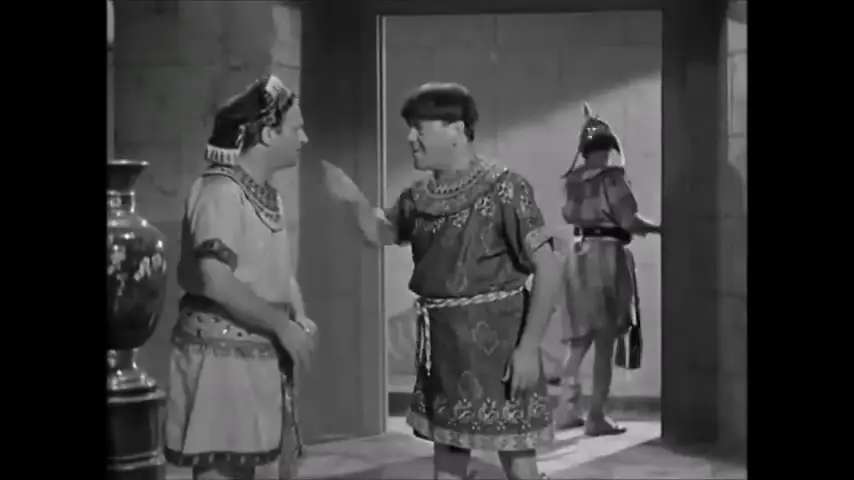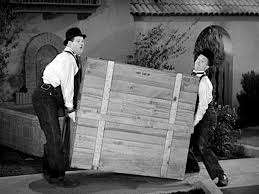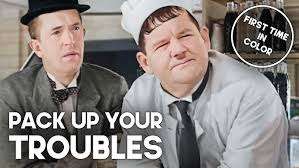
One Good Turn (1931) is one of the most memorable short films featuring the legendary comedy duo Laurel and Hardy. Released during the early years of their partnership, the film perfectly demonstrates the unique chemistry between Stan Laurel and Oliver Hardy. Built around a simple act of kindness that quickly turns into a ridiculous series of complications, One Good Turn combines physical comedy, misunderstandings, visual gags, and the lovable personalities that made Laurel and Hardy icons of classic cinema.
The title One Good Turn immediately suggests the idea of helping another person and receiving kindness in return. However, in the world of Laurel and Hardy, even the simplest good deed can lead to complete disaster. Rather than presenting kindness as a straightforward solution to a problem, the film transforms it into the starting point for an increasingly chaotic adventure. This contrast between good intentions and disastrous results is one of the central sources of humor throughout the story.
At the beginning of the film, Stan Laurel and Oliver Hardy are presented as two unemployed travelers struggling to survive. Their situation is difficult, but their personalities remain very different. Stan is innocent, emotionally sensitive, and often unaware of the consequences of his actions. Ollie, on the other hand, tries to appear more sophisticated and responsible. He frequently believes that he understands how situations should be handled, only to discover that Stan’s actions have made everything much more complicated.
Their difficult circumstances eventually lead them to encounter an elderly man who appears to need assistance. Despite their own problems, the pair decide to help him. This decision reflects an important characteristic of their screen personas: they may be clumsy and frequently cause trouble, but they are rarely motivated by cruelty or selfishness. Their hearts are generally in the right place. Unfortunately, their good intentions do not prevent their plans from going completely wrong.
The film’s comedy grows from this basic situation. What begins as an attempt to do something helpful gradually develops into an absurd chain of events. Laurel and Hardy’s ability to turn ordinary situations into extraordinary disasters is one of the reasons their films remain entertaining decades after their original release.
One of the strongest aspects of One Good Turn is the contrast between Stan and Ollie’s personalities. Laurel’s character often behaves with childlike innocence. He can become fascinated by small details, misunderstand instructions, or react emotionally to situations that Ollie considers obvious. Hardy usually plays the frustrated partner who wants to maintain dignity and control. He frequently looks directly at the audience or reacts with exaggerated facial expressions when Stan does something unexpected.
These reactions are an essential part of the duo’s comedy. Sometimes the funniest moment is not the action itself but Ollie’s response to Stan’s behavior. Hardy’s famous expressions communicate disappointment, embarrassment, confusion, and frustration without requiring dialogue. Laurel, meanwhile, often responds with his characteristic blank or puzzled expression, creating a comic rhythm between the two performers.
Although One Good Turn was made in the early sound era, it still reflects many traditions of silent comedy. The story depends heavily on physical performance, visual timing, gestures, and carefully constructed situations. Laurel and Hardy had developed their comic style during the silent-film era, and that experience remained visible in their sound pictures.
Physical comedy is particularly important. Characters stumble, objects become sources of trouble, plans go wrong, and simple actions escalate into chaos. Instead of relying solely on jokes in dialogue, the film allows the audience to understand the humor through movement and reactions. This makes the comedy accessible even when language or cultural references change over time.
Another important feature is the film’s pacing. Laurel and Hardy understood that comedy depends on timing. A pause before a reaction, a carefully delayed movement, or an unexpected change in expression can make an ordinary event hilarious. Their performances often appear spontaneous, but the effectiveness of the scenes comes from extremely precise timing.
The relationship between kindness and misfortune also gives the film an interesting emotional dimension. The characters are not simply trying to make people laugh; they are attempting to survive difficult circumstances. Their decision to help someone despite their own poverty makes them sympathetic. The audience can laugh at their mistakes while still recognizing that they are fundamentally decent characters.
This combination of warmth and absurdity became one of Laurel and Hardy’s greatest strengths. Their films often place them in situations where they face financial difficulties, social embarrassment, or impossible practical problems. Yet they continue moving forward together. Even when they argue or blame one another, their partnership remains central to the story.
One Good Turn also illustrates the importance of escalation in classic comedy. A successful comedy sequence often begins with a small problem. That problem creates another problem, which produces an even larger complication. Eventually, the original situation becomes almost impossible to recognize. Laurel and Hardy were masters of this technique.
The humor becomes increasingly unpredictable because the audience understands that the characters’ attempts to solve a problem may actually make it worse. Ollie may try to restore order, while Stan unintentionally creates another obstacle. Instead of learning from each mistake, they frequently become trapped in a cycle of increasingly ridiculous consequences.
The title itself becomes humorous because the phrase “one good turn deserves another” is traditionally associated with mutual kindness. In Laurel and Hardy’s universe, however, a good turn can lead to an unexpected chain of events. The innocent act that should make life easier instead opens the door to chaos. This ironic transformation of a familiar expression is perfectly suited to the duo’s comedic style.
The film is also valuable as an example of early-1930s Hollywood comedy. During this period, short subjects remained an important part of moviegoing. Audiences could watch feature films alongside shorter comedy pictures, and performers such as Laurel and Hardy had developed enormous popularity through these productions. Their films helped establish a visual language of comedy that influenced generations of comedians and filmmakers.
What makes One Good Turn especially enjoyable today is its simplicity. Modern audiences are surrounded by sophisticated special effects, rapid editing, and complex storytelling. Laurel and Hardy often needed little more than a street, a few props, and their own performances to create memorable comedy. Their humor comes from human behavior: frustration, misunderstanding, pride, embarrassment, friendship, and persistence.
Stan Laurel’s performance is particularly effective because he rarely seems aware that he is creating chaos. His innocence makes his mistakes funnier. He does not behave like someone deliberately trying to cause trouble. Instead, he seems genuinely surprised when things go wrong. This gives his character an endearing quality that prevents the comedy from becoming mean-spirited.
Oliver Hardy provides the perfect counterbalance. His character wants respect and control, but his partnership with Stan makes both goals extremely difficult. His dignity is constantly challenged by circumstances beyond his control. The more seriously he takes the situation, the funnier his eventual frustration becomes.
Together, they created one of the most recognizable partnerships in entertainment history. Their chemistry does not depend on elaborate dialogue. A glance between them can communicate an entire argument. A pause can reveal disappointment. A simple gesture can transform a normal moment into a comic routine.
One Good Turn (1931) therefore remains an excellent example of why Laurel and Hardy’s comedy has endured. Beneath the slapstick and absurd situations is a simple story about two struggling men who attempt to help someone else. Their kindness may not produce the results they expect, but their willingness to help reveals the warmth at the center of their characters.
More than ninety years after its release, the film still demonstrates the timeless power of physical comedy and character-driven storytelling. Stan and Ollie’s world is filled with setbacks, misunderstandings, and disasters, but their friendship keeps the story moving. Their failures become funny because audiences recognize the humanity behind them.
Ultimately, One Good Turn captures the essence of Laurel and Hardy: two ordinary men with good intentions who somehow manage to turn almost every situation into chaos. Their expressions, timing, physical performances, and unforgettable partnership transform a simple premise into classic comedy. For longtime fans, the film offers another opportunity to enjoy the duo’s distinctive style. For new viewers, it provides a charming introduction to the comic imagination that made Laurel and Hardy legends of the silver screen.