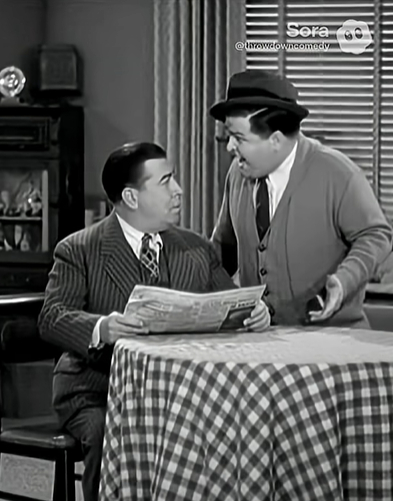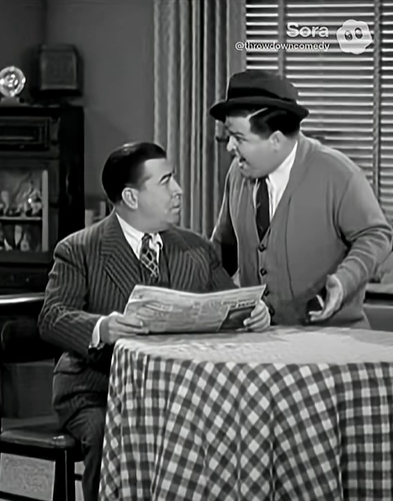
In an era of high-budget CGI spectacles, complex psychological thrillers, and prestige television, there is something deeply refreshing about watching three grown men completely destroy a room because one of them misunderstood a simple instruction. Slapstick comedy, particularly the golden era pioneered by icons like The Three Stooges, Abbott and Costello, and physical masters of silent cinema, remains an untouchable pillar of entertainment. But what is it about total, unadulterated chaos that keeps us laughing decade after decade?
To understand the enduring magic of slapstick, one must first appreciate the delicate architecture of disaster. Comedy of this caliber is never random; it is a masterclass in rhythm, timing, and escalating stupidity. Take, for instance, the classic formula perfected by Moe, Larry, and Shemp. A scene almost always begins innocently enough. Someone states a simple goal—finding a place to live, learning a new trade, or inheriting a fortune under impossible time constraints. For ordinary people, the solution involves logic and cooperation. For a comedy trio, cooperation is a foreign language.
The engine driving these sketches is a very specific type of human friction. You have the confident authority figure who has absolute trust in a terrible plan, the middleman caught in the crossfire of confusion, and the bumbling wildcard whose panic accelerates the catastrophe. When they attempt a DIY project, such as brewing homemade beer or fixing household plumbing, disaster does not strike all at once. It builds like a slow-burning fuse. One person adds the yeast; a second person, completely unaware, adds more; a third repeats the exact same mistake. Nobody communicates. Everyone assumes they are the smartest person in the room. When the terrible truth finally dawns on them—that every single one of them ruined the batch—the escalation is complete. The tiny problem has officially transformed into an unstoppable avalanche.
Furthermore, physical comedy relies heavily on the art of false bravery. There is a universal hilarity in watching characters declare themselves ready to face mortal danger, usually while positioning someone else directly in front of the threat. Lines like, “I’ll protect those girls to the last drop of your blood,” capture the essence of comedic cowardice. They want the glory of heroes without volunteering for a single second of the risk. When fear takes over, their own imaginations become their worst enemies. A strange noise in a dark room turns into a multi-person panic attack before anyone even checks what is actually making the sound.
Yet, beneath the slaps, eye pokes, flying pies, and tangled telephone cords lies extraordinary technical precision. A fraction of a second can determine whether a physical gag looks convincing or falls flat. The performers must move with the synchronization of a dance troupe, even while pretending to be entirely uncoordinated. If Larry bends down at the wrong moment, or if Moe swings a fraction too early, the illusion of chaos breaks. It is precisely this tight control over simulated disorder that makes the performances so mesmerizing.
As comedy has evolved over the decades, transitioning from vaudeville stages and black-and-white film reels to modern internet memes and viral sketch videos, the DNA of classic slapstick has remained remarkably intact. Whenever someone tries to assemble furniture without reading the manual and destroys their living room, or whenever a simple misunderstanding sparks an escalating argument among friends, the ghost of the classic physical comedian is right there in the room with them.
Ultimately, these timeless routines remind us not to take human failure too seriously. We laugh because we recognize the universal truth that no matter how competent we think we are, life has a funny way of handing us a pie in the face. The settings may change, and the technology of entertainment will continue to modernize, but the language of a well-timed pratfall is universal. Laughter remains the ultimate magic trick—and as long as people are willing to make fools of themselves for our amusement, the golden age of comedy is never truly over.