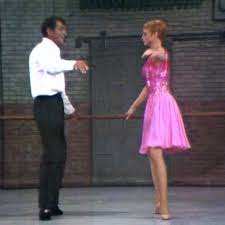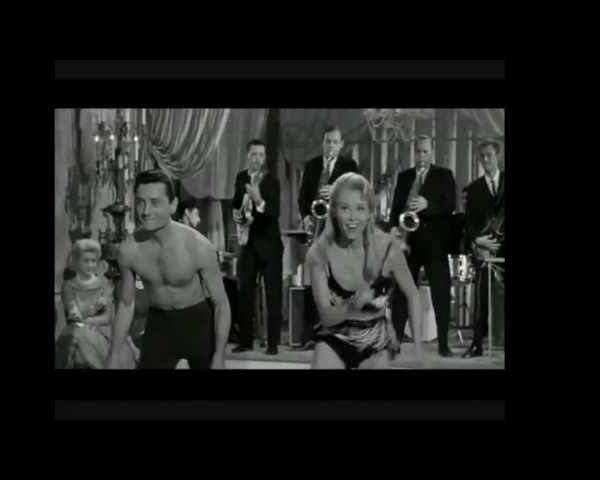
BEFORE TIKTOK DANCE CHALLENGES, AMERICA HAD AMERICAN BANDSTAND! 💃🕺 THE TEENAGERS WHO TURNED SATURDAY AFTERNOONS INTO ROCK ’N’ ROLL HISTORY!
When Teenagers Ruled the Dance Floor and America Couldn’t Stop Watching
Long before TikTok, Instagram Reels, and viral dance challenges, there was a television program that brought music, fashion, and teenage excitement into millions of American homes.
It was called American Bandstand.
And for an entire generation, it was more than just a television show.
It was a cultural phenomenon.
Imagine a room filled with teenagers dressed in their finest 1960s outfits, dancing to the latest rock ’n’ roll hits while television cameras captured every move.
There were no smartphones.
No social media followers.
No digital filters.
Just unforgettable music, incredible dance moves, and young people having the time of their lives.
Hosted by the legendary Dick Clark, American Bandstand became one of the most influential music programs in American television history.
It introduced audiences to new songs, popular dances, emerging artists, and the fashion trends that helped define an era.
BEFORE THE INTERNET MADE DANCERS FAMOUS OVERNIGHT, AMERICAN BANDSTAND TURNED ORDINARY TEENAGERS INTO NATIONAL TELEVISION STARS!
The Birth of an American Television Legend
The story of American Bandstand began in Philadelphia.
The program originally launched in 1952 as a local television show called Bandstand.
Its format was simple but revolutionary.
Teenagers gathered in a television studio to dance to popular records while viewers watched from home.
In 1956, Dick Clark became the show’s host.
His arrival helped transform the program into a national entertainment sensation.
On August 5, 1957, American Bandstand began broadcasting nationally on ABC.
Suddenly, teenagers across the United States could watch young people just like themselves dancing to the latest hits.
This was a remarkable development in American popular culture.
Until then, television entertainment was largely controlled by adults, and programming aimed directly at teenagers was relatively limited.
American Bandstand changed that.
The program placed young people at the center of the action.
Their music mattered.
Their clothing mattered.
And their dance moves became trends that other teenagers wanted to imitate.
Dick Clark: The Man Who Brought Youth Culture Into America’s Living Rooms
Dick Clark became one of the most recognizable television personalities in American history.
With his friendly smile, polished appearance, and approachable hosting style, he created an atmosphere that appealed to both teenagers and their parents.
He understood that popular music was changing.
Rock ’n’ roll was becoming the soundtrack of a new generation.
Young people wanted to express themselves through music, fashion, and dance.
Clark recognized the importance of giving them a platform.
Rather than treating teenagers as background performers, American Bandstand made them the stars of the show.
The dancers weren’t professional celebrities.
They were ordinary young people who loved music.
But when the cameras started rolling, they became part of something extraordinary.
Their enthusiasm was contagious.
Their personalities were memorable.
And their dancing helped shape the entertainment culture of the 1950s and 1960s.
The Dance Floor That Created National Trends
One of the most exciting features of American Bandstand was the variety of dances performed on the show.
During the early 1960s, American popular music experienced an explosion of dance crazes.
And American Bandstand became one of the places where viewers could see those dances in action.
The Twist was among the most influential.
Popularized by Chubby Checker’s recording, the dance encouraged people to move their hips and shoulders without needing a partner.
Its simplicity made it accessible to almost everyone.
Soon, other dances captured the imagination of young audiences.
The Mashed Potato.
The Watusi.
The Pony.
The Frug.
The Swim.
Each dance had its own distinctive rhythm and personality.
Teenagers watched the movements on television, practiced them at home, and brought them to school dances and neighborhood parties.
In many ways, this was the original version of a viral dance challenge.
Instead of learning choreography from a smartphone screen, young people learned it from their television sets.
NO HASHTAGS. NO ALGORITHMS. JUST A NEW SONG, A FEW AMAZING DANCE MOVES, AND AN ENTIRE GENERATION READY TO JOIN IN!
Saturday Afternoons That Became Unforgettable Memories
For many viewers, American Bandstand became an essential part of their weekly routine.
Although the program aired on weekday afternoons during much of its early national history, it later became strongly associated with Saturday television.
In 1963, the show moved to a weekly Saturday format.
That change helped establish the Saturday-afternoon memories that remain so powerful for many longtime fans.
Imagine finishing the week’s responsibilities, gathering around the family television, and watching teenagers dance to the latest popular songs.
The music filled the room.
The dancers smiled.
And viewers could imagine themselves joining the excitement.
For some teenagers, watching American Bandstand was almost as important as listening to their favorite records.
It was a chance to discover what was fashionable.
What songs were becoming popular.
And which dances everyone would be trying at the next party.
The show created a shared cultural experience that connected young people across the country.
The Fashion That Made the 1960s Unforgettable
The music was only part of the attraction.
The clothing worn by American Bandstand dancers became an important part of the show’s visual identity.
Young men often appeared in neatly pressed shirts, fitted trousers, sweaters, and polished shoes.
Some wore jackets and ties, reflecting the more formal fashion expectations of the period.
Young women appeared in colorful dresses, skirts, blouses, and fashionable hairstyles.
As the decade progressed, clothing styles evolved alongside the changing music.
The early 1960s favored polished, carefully coordinated outfits.
Later years introduced more adventurous patterns, silhouettes, and influences from the growing youth counterculture.
Watching old American Bandstand footage today offers a fascinating glimpse into those fashion changes.
The hairstyles.
The shoes.
The dresses.
The confident smiles.
Every detail tells a story about the generation that embraced rock ’n’ roll.
And for viewers who experienced that era firsthand, those images can bring back powerful memories.
The Teenagers Who Became Stars Without Being Famous Singers
One of the most remarkable aspects of American Bandstand was the popularity of its regular dancers.
Some teenagers appeared on the program frequently enough to become familiar faces to television audiences.
Viewers recognized their hairstyles, personalities, and dance styles.
They followed their appearances and sometimes developed favorite dancing couples.
These young performers helped make the show feel personal.
Unlike Hollywood movie stars or professional musicians, they seemed approachable.
They were teenagers enjoying the same songs that viewers loved.
That connection made them especially appealing.
The dancers weren’t always performing complicated choreography.
Often, their movements were spontaneous expressions of excitement and rhythm.
But that authenticity was exactly what made the show entertaining.
The program demonstrated that ordinary young people could capture national attention simply by sharing their enthusiasm for music.
The Music That Defined a Generation
American Bandstand helped bring popular music into the homes of millions of Americans.
During the 1950s and 1960s, the show featured a wide variety of performers and musical styles.
Rock ’n’ roll remained central to its identity, but the program also reflected developments in pop, rhythm and blues, soul, and other genres.
Artists such as Chubby Checker, Bobby Rydell, Frankie Avalon, and many others became closely associated with the era of televised teenage music entertainment.
The show’s influence extended beyond individual performances.
A song featured on American Bandstand could gain valuable national exposure.
Young viewers often became interested in purchasing records after hearing them on television.
Record companies recognized the importance of reaching this audience.
As a result, the program became an influential platform within the American music industry.
For teenagers, however, the experience was much simpler.
They heard a great song.
They watched people dancing.
And they wanted to join the fun.
The Famous Record-Review Segment
Another memorable feature of American Bandstand was its record-review segment, commonly known as “Rate-a-Record.”
Teenage participants listened to new recordings and shared their opinions.
They judged the songs based on their appeal, rhythm, and overall entertainment value.
The segment became famous for emphasizing whether a song had a good beat and was easy to dance to.
That simple approach reflected the importance of dancing in teenage music culture.
A song didn’t necessarily need complicated lyrics or elaborate arrangements to become popular.
Sometimes, an irresistible rhythm was enough.
The segment also gave young people an opportunity to express their opinions on national television.
At a time when adult critics often dominated public discussions about music, this was an important change.
Teenagers were becoming influential consumers whose tastes could help shape the music industry.
Before Viral Videos, There Was the American Bandstand Effect
Today, a dance can become famous around the world within hours.
A short video appears online.
Millions of people watch it.
And suddenly, everyone is trying to copy the movements.
But the basic idea of sharing dance trends with a large audience existed long before social media.
American Bandstand helped create that phenomenon through television.
When viewers saw a new dance on the program, they could try it themselves.
Friends practiced together.
School dances became opportunities to show off new moves.
And popular songs inspired countless variations.
The process was slower than today’s internet trends, but the excitement was remarkably similar.
Young people wanted to participate.
They wanted to feel connected to something popular.
And they wanted to express their personalities through movement.
In that sense, American Bandstand helped establish a tradition that continues in modern dance culture.
The Joy of Dancing Without Cameras in Every Pocket
One of the most charming aspects of vintage American Bandstand footage is the freedom visible on the dance floor.
The teenagers were certainly aware of the television cameras.
But they were not creating content for personal social media accounts.
They weren’t checking engagement statistics.
They weren’t counting likes.
They were participating in a television program built around their love of music and dancing.
Their movements often reflected the popular styles of the moment.
Some dancers were energetic and expressive.
Others preferred smoother, more restrained movements.
And some brought a playful sense of humor to the dance floor.
The variety made the program fascinating.
It was a celebration of individual personality within a shared musical experience.
Watching those performances today reminds us that dancing has always been about more than technical skill.
It is also about joy, connection, and self-expression.
How American Bandstand Helped Shape Youth Culture
The influence of American Bandstand extended far beyond entertainment.
The program helped establish teenagers as an important cultural audience.
Their musical preferences became increasingly influential.
Their clothing choices attracted attention.
And their dance styles became part of national conversations.
During the postwar decades, American youth culture was expanding rapidly.
More teenagers had access to popular records, radios, and television.
Music became a central part of their identities.
American Bandstand reflected these changes while also helping accelerate them.
The show offered a national stage where young people could express their interests.
It helped connect regional dance trends with broader audiences.
And it contributed to the growing relationship between popular music, television, and youth fashion.
Its influence can still be recognized in modern music programming and dance-focused entertainment.
The Complicated History Behind the Nostalgia
Although American Bandstand is often remembered as a joyful celebration of teenage culture, its history also reflects the social divisions of its era.
The program emerged during a period when racial segregation and discrimination shaped many aspects of American life.
Its early national years have been criticized for limited racial integration among studio dancers, even as Black musical artists and rhythm-and-blues traditions played essential roles in the music being celebrated.
Over time, the program evolved alongside changes in American society and popular music.
Recognizing this history does not erase the enjoyment that audiences experienced.
Instead, it provides a fuller understanding of the cultural environment in which the show became famous.
American Bandstand was both a reflection of its time and an influential force within it.
Its legacy includes joyful musical memories as well as important conversations about representation and cultural change.
Why American Bandstand Still Feels Magical Today
More than seventy years after its original launch, American Bandstand remains an important part of American television history.
Vintage footage continues to attract viewers who appreciate classic music, fashion, and dancing.
For those who grew up watching the show, the images can bring back memories of childhood and adolescence.
The songs may remind them of school dances.
The clothing may recall favorite outfits.
And the familiar television setting may bring back the excitement of watching the latest musical trends.
For younger viewers, the footage offers something different.
It provides a glimpse into an era before digital entertainment dominated everyday life.
An era when television helped create shared national experiences.
And an era when a group of teenagers dancing to a record could become a major cultural attraction.
The technology has changed.
The music has evolved.
But the excitement of discovering a great song and dancing with friends remains universal.
The Lasting Legacy of Dick Clark and American Bandstand
Dick Clark hosted American Bandstand for more than three decades, becoming one of the most recognizable figures in American television.
The program continued through numerous changes in popular music and youth culture before ending in 1989.
During its long run, it introduced generations of viewers to new artists, songs, and dance styles.
It also helped establish the idea that teenagers deserved entertainment reflecting their own interests.
That contribution remains significant.
Modern music television, talent programs, and social media dance trends all exist within a broader entertainment tradition that American Bandstand helped shape.
The show demonstrated that music and dancing could create powerful connections between performers and audiences.
And perhaps most importantly, it showed that ordinary young people could become the heart of a successful television program.
Conclusion: Before TikTok, These Teenagers Already Knew How to Go Viral
Long before smartphones and social media transformed entertainment, American Bandstand gave American teenagers a place to shine.
They didn’t need expensive equipment.
They didn’t need professional choreography.
And they certainly didn’t need millions of online followers.
All they needed was a great song, a dance floor, and the confidence to move to the music.
From the Twist and the Mashed Potato to the unforgettable fashions of the 1960s, the program captured the energy of a generation discovering its own cultural identity.
Dick Clark helped bring that excitement into homes across the country.
And the teenagers who danced on his show became part of television history.
BEFORE TIKTOK DANCE CHALLENGES, THESE KIDS WERE ALREADY SETTING TRENDS, STEALING THE SPOTLIGHT, AND MAKING AMERICA DANCE! 💃🕺🔥
Today, their performances remain a beautiful reminder of a different entertainment era.
A time when the music was unforgettable.
The dancing was full of personality.
And Saturday afternoons could feel like a celebration.
DO YOU REMEMBER WATCHING AMERICAN BANDSTAND AND TRYING THESE DANCE MOVES YOURSELF? ❤️🎶
🎬 WATCH FULL BELOW LINK 👇👇👇
#AmericanBandstand #DickClark #60sNostalgia #1960sMusic #VintageDance #ClassicTV #OldiesMusic #RockAndRoll #DanceHistory #SaturdayMemories #RetroTV #MusicLegends