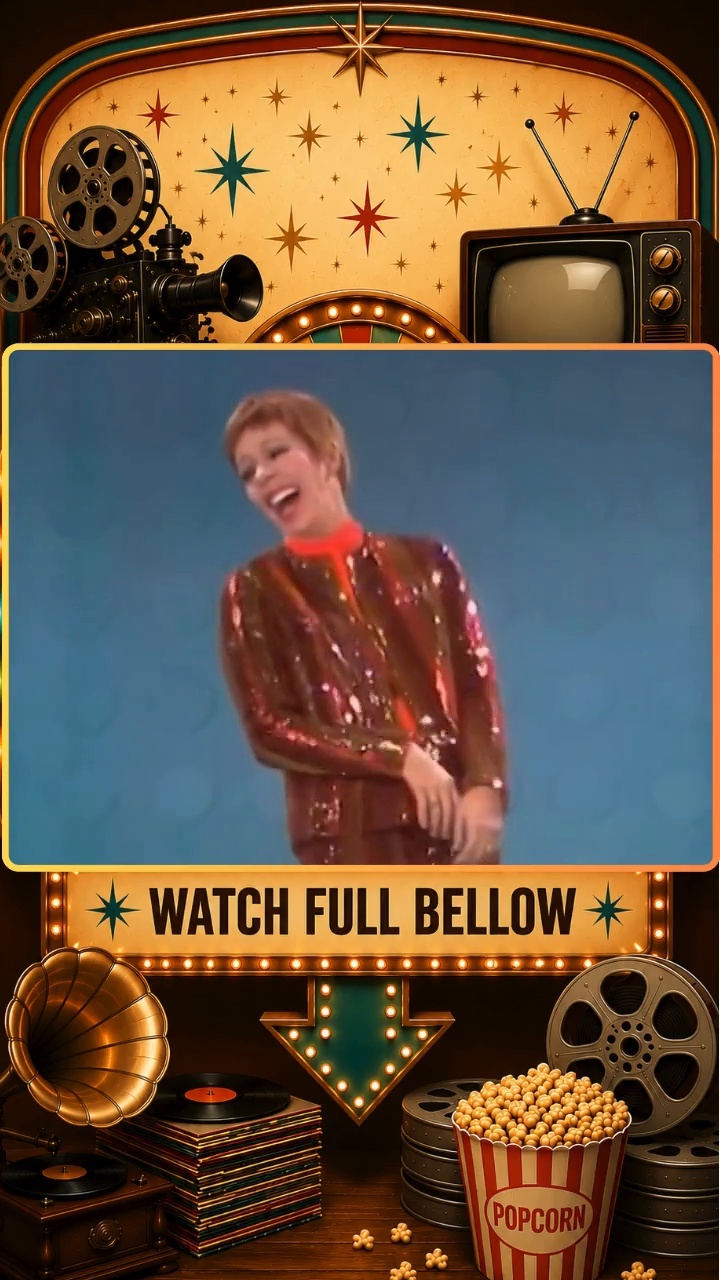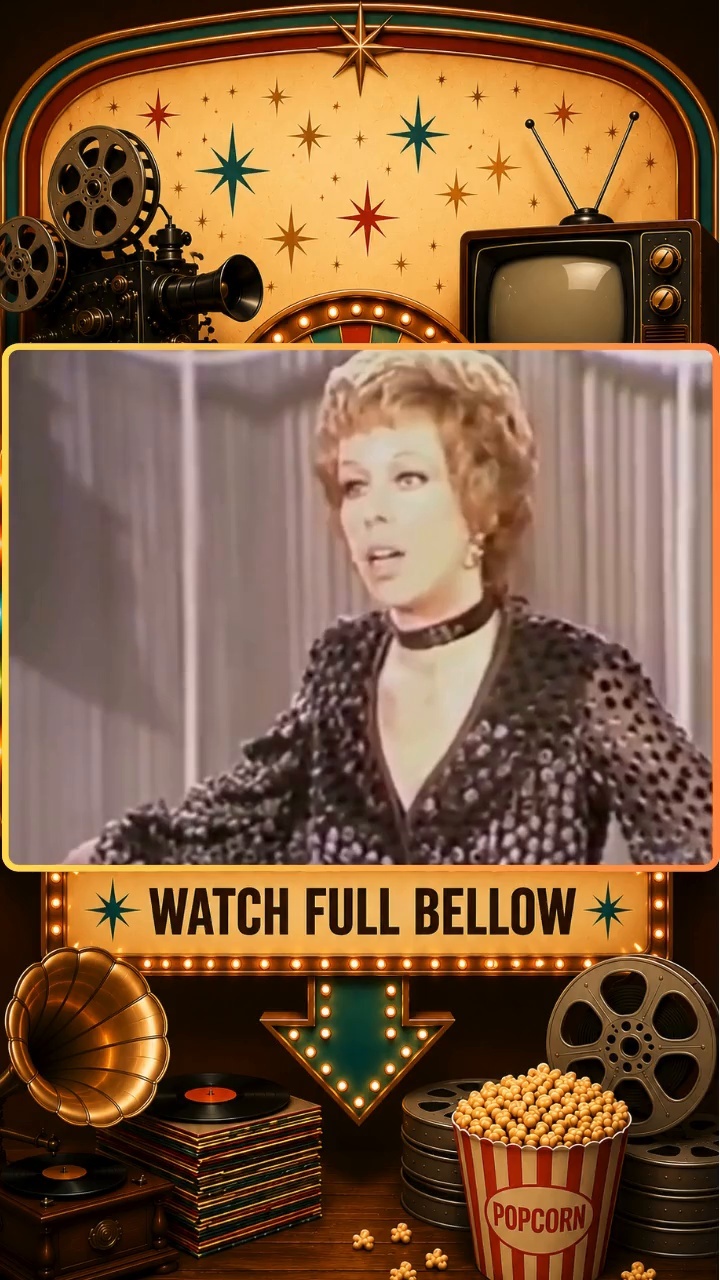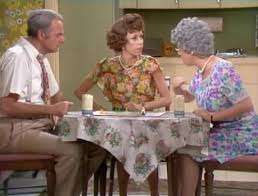
Few comedy sketches have captured the uncomfortable, hilarious, and sometimes painfully familiar side of family life quite like “The Family: Sorry!” from The Carol Burnett Show. Featuring Carol Burnett and an unforgettable ensemble of characters, the sketch transforms an ordinary family interaction into a brilliantly exaggerated comedy of manners. What makes it so entertaining is not simply the dialogue, but the way every character seems determined to make a simple situation much more complicated than it needs to be.
The Carol Burnett Show became one of the most celebrated variety programs in American television history. Running for many years, the series was known for its memorable characters, musical performances, celebrity guests, and, most importantly, its hilarious sketches. Among its most beloved recurring creations was The Family, a fictional household whose conversations often descended into chaos, misunderstandings, arguments, and awkward emotional moments.
At the center of many Family sketches is Carol Burnett as Eunice, an intense and easily frustrated woman whose personality provides the perfect contrast to the other members of her family. Eunice is often surrounded by characters who are equally eccentric, creating an environment where even the smallest disagreement can become a full-blown comic disaster.
In “Sorry!”, the humor comes from the familiar idea of family members saying the word “sorry” without necessarily meaning what the word is supposed to mean. Apologies, disagreements, defensiveness, and hurt feelings become tangled together until the situation becomes increasingly ridiculous. Instead of resolving conflict, the characters seem to use their words to create even more conflict.
That basic idea is extremely relatable. Almost everyone has experienced a family conversation where one innocent comment suddenly turns into an argument. Someone says something they regret, another person takes offense, and before long, everyone is talking over everyone else. The sketch takes this everyday experience and pushes it to an outrageous comedic extreme.
Carol Burnett’s performance as Eunice is one of the major reasons the sketch works so well. Eunice is not simply angry or frustrated. She has a dramatic intensity that makes even ordinary statements sound incredibly important. Burnett uses her facial expressions, body language, timing, and distinctive voice to communicate what Eunice is thinking even before she says anything.
Her ability to react is particularly important in The Family. Sometimes the funniest moment is not a punchline but a look from Eunice after another character says something unexpected. Burnett understands exactly how long to hold a reaction, allowing the audience to anticipate what will happen next.
The other performers are equally important because The Family depends on interaction. The comedy does not come from one character delivering jokes in isolation. Instead, the performers create a chain reaction. One person says something, another misunderstands it, someone becomes offended, and another character adds fuel to the argument.
This creates a rhythm that feels almost like a carefully choreographed dance. The dialogue moves quickly, but the performers remain committed to their characters. Their seriousness makes the situation even funnier because the audience can recognize that the characters believe their ridiculous arguments are completely important.
One of the sketch’s greatest strengths is its use of escalation. The situation begins with something relatively simple. However, instead of allowing the characters to move on, the conversation continues. Each response creates another problem. A statement that should end the argument becomes the beginning of another disagreement.
The repeated use of the word “sorry” becomes especially funny because an apology normally represents reconciliation. In this sketch, however, the word can carry completely different meanings depending on how it is delivered. “Sorry” can sound sincere, sarcastic, defensive, irritated, or even accusatory.
That contrast is central to the comedy. The characters may technically be apologizing, but emotionally they are still fighting. The audience understands the contradiction, which makes the exchanges so amusing.
The sketch also demonstrates the timeless nature of family comedy. Although The Carol Burnett Show originally aired decades ago, the situations presented in The Family still feel recognizable. Family members can argue about small things, misunderstand one another, remember old grievances, and interpret simple statements in completely different ways.
That universality helped make The Family one of the show’s most memorable recurring sketch concepts. Viewers did not need to understand a complicated premise. They simply needed to recognize the personalities. Once the characters began interacting, the comedy naturally followed.
Another important element is the sketch’s physical comedy. Carol Burnett was an exceptionally expressive performer, and her physical reactions often communicate as much as the dialogue. Her movements, posture, gestures, and facial expressions help turn ordinary conversation into visual comedy.
This is one reason the sketch remains entertaining even for viewers who are discovering it many years after its original broadcast. The humor is not dependent entirely on contemporary references. Much of it comes from performance, character, timing, and human behavior.
The production style of The Carol Burnett Show also contributes to the experience. The show was designed for a live studio audience, and the performers had to maintain their rhythm while responding to audience reactions. That atmosphere gives the sketch a special energy. Laughter becomes part of the performance, making the audience feel like they are participating in the moment.
For modern viewers accustomed to heavily edited digital comedy, watching a classic television sketch like The Family: “Sorry!” can be a refreshing experience. The comedy depends on actors performing together in real time rather than on rapid editing, visual effects, or elaborate technology.
The success of the sketch also demonstrates Carol Burnett’s remarkable versatility. She could move from musical performances to dramatic moments and then immediately transform into an exaggerated comedic character. Eunice became one of her most recognizable creations because Burnett gave the character such a strong personality.
Eunice is flawed, emotional, stubborn, and often overwhelmed, but that is exactly what makes her funny. She feels like a heightened version of someone audiences might recognize from their own lives. The character’s exaggerated reactions allow viewers to laugh at familiar family situations without taking them too seriously.
At the same time, The Family sketches often contain a subtle observation about communication. People do not always say what they mean, and apologies do not automatically solve emotional problems. Sometimes people say “sorry” because they feel pressured to do so rather than because they have actually resolved the disagreement.
That simple observation provides a surprisingly rich foundation for comedy.
“Sorry!” works because it turns this everyday contradiction into a theatrical battle of personalities. The characters want to be understood, but their emotions keep getting in the way. They attempt to defend themselves, explain themselves, or apologize, yet every attempt seems to make things worse.
The result is classic situation-based comedy: recognizable enough to feel real, but exaggerated enough to become hilarious.
Decades after The Carol Burnett Show first entertained television audiences, sketches like “The Family: Sorry!” continue to demonstrate why classic comedy remains popular. The technology may change, television formats may evolve, and cultural references may come and go, but human behavior remains remarkably consistent.
Families still misunderstand each other. People still overreact. Arguments still begin over small things. And sometimes, saying “sorry” does not actually end an argument.
That is the magic of The Family. Carol Burnett and her fellow performers take an ordinary human experience and stretch it into an unforgettable comic performance. Through expressive acting, rapid dialogue, escalating misunderstandings, and impeccable timing, “Sorry!” becomes much more than a simple sketch about an argument. It becomes a humorous portrait of the complicated way people communicate with the people closest to them.
For fans of classic television comedy, The Carol Burnett Show, or Carol Burnett’s unforgettable characters, “The Family: Sorry!” is a wonderful example of why the series remains so influential. It is loud, dramatic, chaotic, and wonderfully silly—and beneath all that comedy is something audiences can still recognize today: sometimes the funniest family arguments are the ones that should have been over five minutes ago.