With his weathered face, quiet voice and deadly ability with a revolver, Clint Eastwood created a character who initially appears to belong to the same tradition as the mysterious gunslingers that made him famous.
But The Outlaw Josey Wales is about much more than a dangerous man with a gun.
Released in 1976 and directed by Eastwood himself, the film follows a Missouri farmer whose life is destroyed during the American Civil War. What begins as a story of revenge gradually transforms into something far more emotional — the story of a man discovering that surviving tragedy is not the same thing as learning to live again.
That transformation is one reason The Outlaw Josey Wales remains such a memorable Western.
From Farmer to Outlaw
At the beginning of the story, Josey Wales is not a legendary gunfighter.
He is a farmer.
His life changes when his home is attacked and his family is killed. With the peaceful existence he once knew destroyed, Josey joins Confederate guerrilla fighters and becomes consumed by war and revenge.
But the end of the Civil War does not bring an end to his suffering.
When members of his group surrender after being promised amnesty, they are massacred. Josey refuses to surrender and suddenly finds himself hunted by soldiers and bounty hunters.
A price is placed on his head.
From that moment forward, Josey Wales becomes a man constantly moving.
Yet the film gradually reveals that the enemies chasing him are only part of his struggle.
Josey is also running from his own grief.
Clint Eastwood Creates More Than a Gunslinger
Eastwood had already become one of cinema’s defining Western stars before making The Outlaw Josey Wales.
Josey certainly contains qualities audiences associated with him: he is quiet, suspicious, dangerous and extremely capable when violence becomes unavoidable.
But Eastwood gives the character another dimension.
Josey is emotionally wounded.
He rarely explains exactly what he feels, yet his actions reveal a man who has lost almost everything and is terrified of becoming attached to anyone again.
That makes the people he encounters during his journey especially important.
Josey repeatedly behaves as though he wants to be alone.
Life keeps giving him companions.
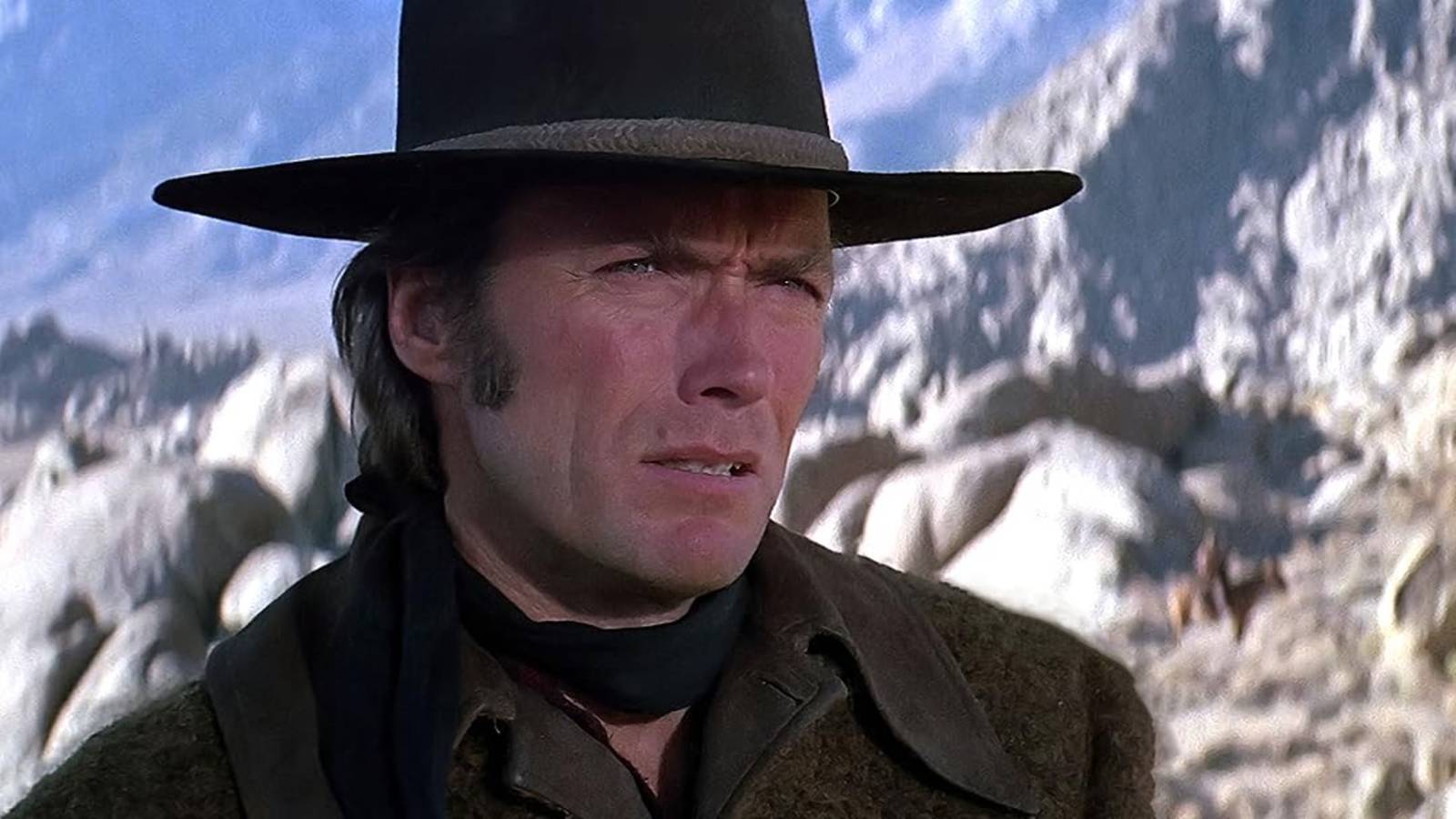
And despite his resistance, he keeps protecting them.
Lone Watie Brings Heart and Humor
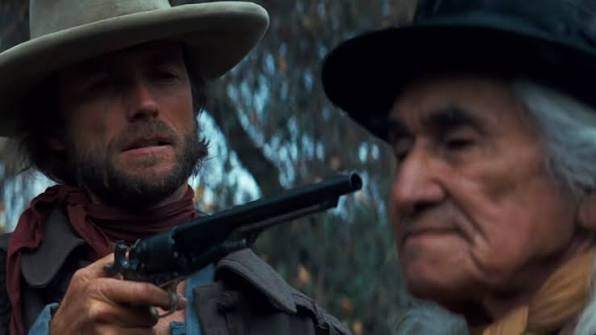
One of the film’s most memorable characters is Lone Watie, played by Chief Dan George.
The elderly Cherokee man joins Josey during his journey and quickly becomes much more than a traveling companion.
Lone Watie brings humor to a movie filled with death and violence, but he also represents something deeper.
Like Josey, he understands what it means to live through loss and historical upheaval.
Their friendship develops without becoming overly sentimental. Josey is not suddenly transformed into a warm and talkative man. Instead, the connection grows naturally through shared experiences.
Chief Dan George’s performance helps give the film an emotional balance that separates it from a straightforward revenge Western.
The relationship also begins revealing something Josey himself seems unwilling to acknowledge:
He does not truly want to spend the rest of his life alone.
A Strange New Family Begins to Form
As Josey continues westward, more people enter his life.
Among them are Little Moonlight, a young Navajo woman, as well as Sarah Turner and her granddaughter Laura Lee.
Josey never sets out to build a group.
It simply happens.
That is one of the most important elements of the film.
At the beginning, Josey loses his family and responds by becoming a warrior. His identity becomes tied to violence, revenge and survival.
But during his journey, he slowly becomes responsible for people again.
The outlaw begins protecting others.
The loner becomes part of a community.
And the man who believed his meaningful life had ended discovers that another kind of life may still be possible.
This is where The Outlaw Josey Wales becomes more than a revenge story.
Revenge Is Only the Beginning
Many Westerns are built around revenge.
A hero loses someone, hunts down the people responsible and eventually confronts them.
The Outlaw Josey Wales contains that familiar structure, but it refuses to make revenge the complete answer.
Josey can kill enemies.
He can defeat bounty hunters.
He can survive ambushes.
But none of those things can restore his old life.
The deeper question is whether a person who has been shaped by violence can ever return to something resembling peace.
Throughout the movie, Josey is repeatedly given opportunities to choose between isolation and connection.
Almost every time, despite his hardened personality, he eventually chooses connection.
That choice becomes the real foundation of his transformation.
The Meeting With Ten Bears
One of the film’s most powerful sequences does not depend on a traditional gunfight.
Josey meets Comanche leader Ten Bears and approaches a situation that could easily end in bloodshed.

Instead of simply reaching for his weapons, Josey talks.
The scene matters because it demonstrates how much his character has changed.
Earlier in his journey, violence appears to be his primary language. By this point, he understands that survival does not always require killing.
Both men recognize the potential cost of continued conflict.
The encounter therefore becomes an important expression of one of the film’s central ideas: sometimes courage means being prepared to fight, while also being willing to make peace.
Violence Never Completely Leaves Josey Behind
Peace, however, does not come easily.
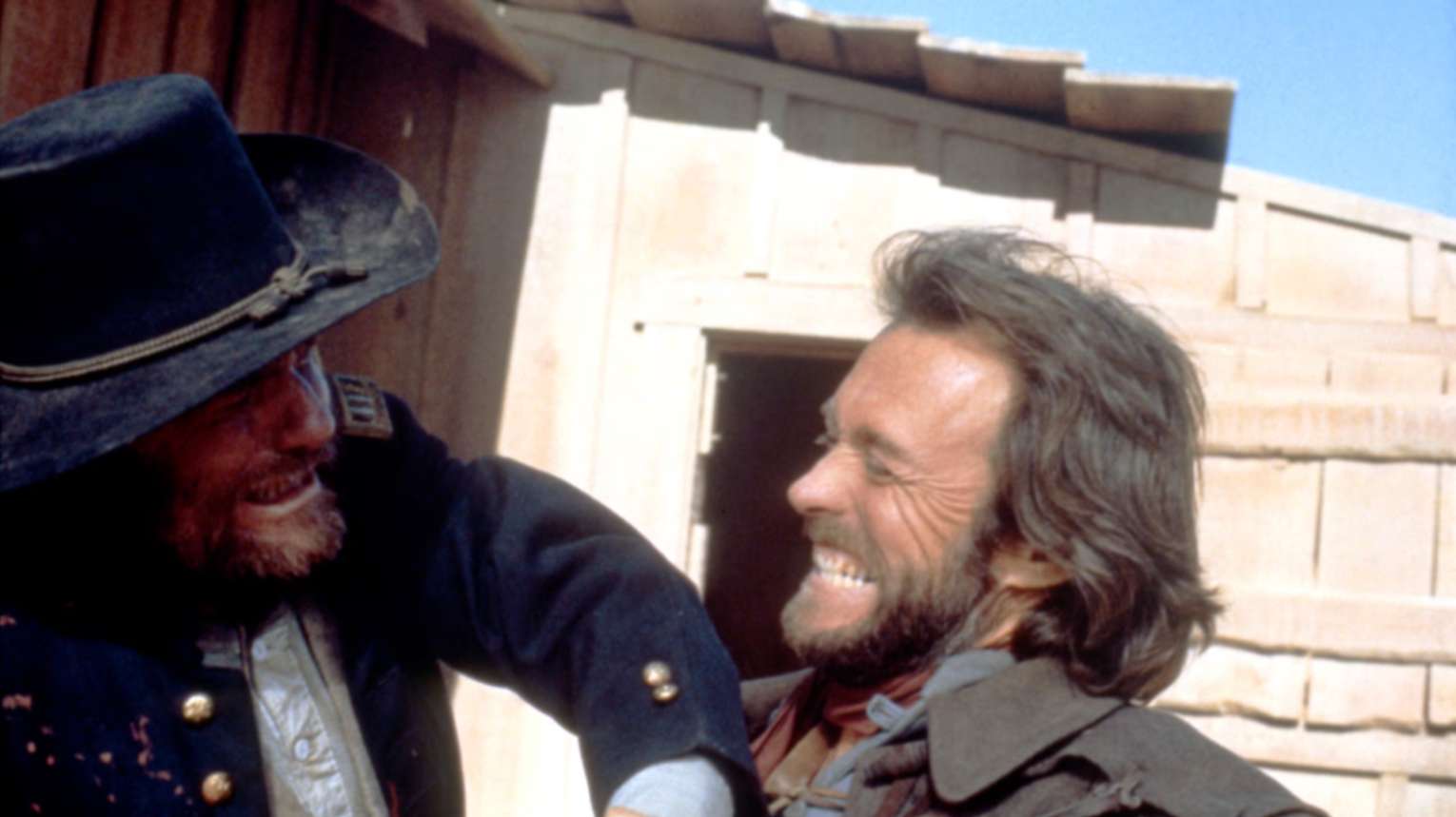
Josey remains a wanted man, and Captain Terrill and his pursuers continue closing in.
This creates the central tension of the film’s later sections.
Josey has finally found people worth protecting and the possibility of a home, but his past threatens to destroy that future.
The resulting confrontation brings the revenge story back to its beginning.
Yet Josey himself is no longer exactly the same man.
He is fighting for more than vengeance.
Now he has something to lose again.
That distinction gives the action greater emotional weight.
A Western About Surviving War
Although The Outlaw Josey Wales contains gunfights, pursuits and classic Western imagery, its emotional foundation is the aftermath of war.
Nearly everyone Josey encounters has lost something.
Homes have disappeared.
Families have been broken.
Communities have been displaced.
The war may officially be ending, but its consequences continue shaping the lives of the people who survived it.
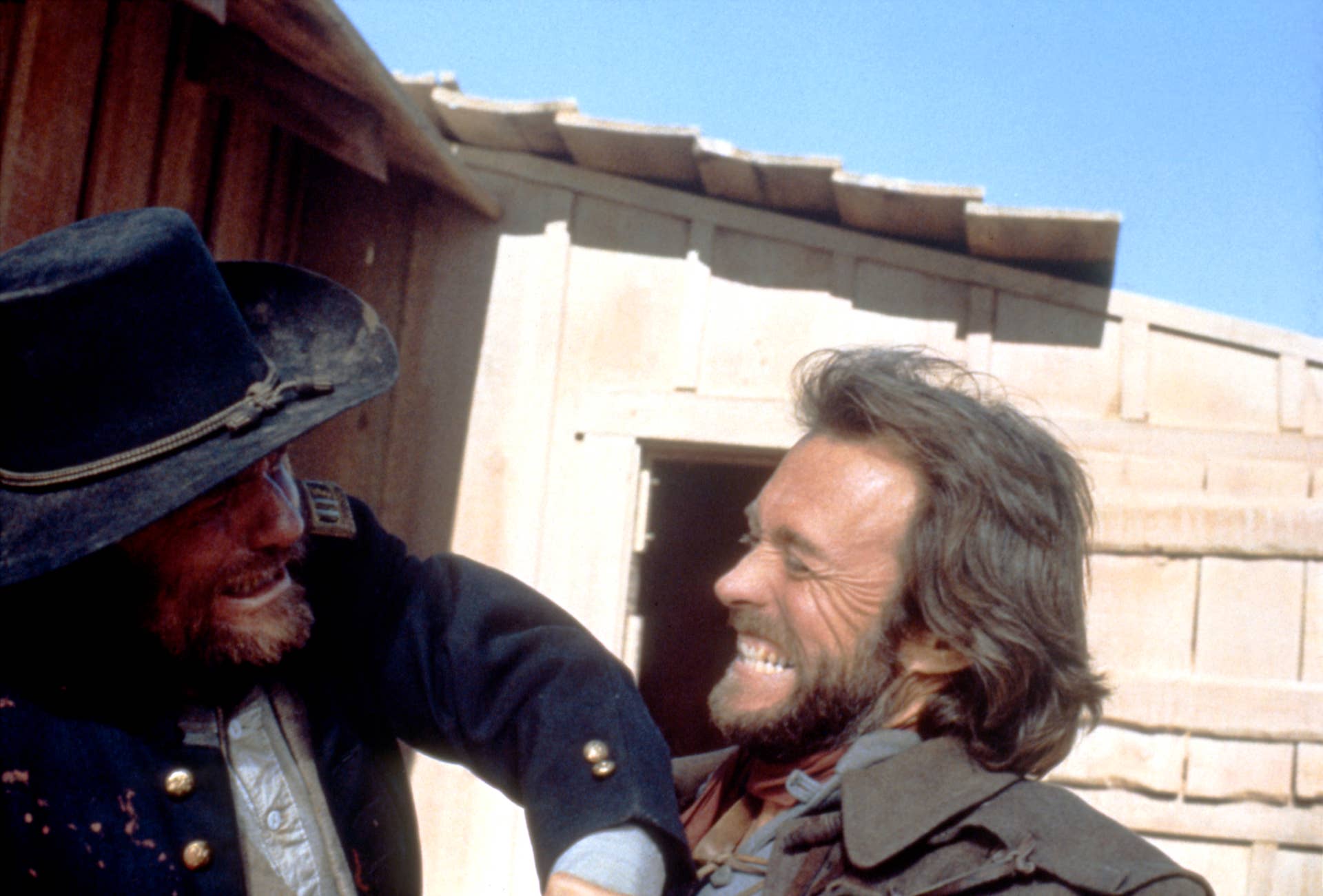
Josey represents that idea perfectly.
The battlefield may be behind him, yet emotionally he remains trapped inside the conflict.
His journey west becomes a gradual attempt to escape that state.
Not by forgetting what happened.
Not by pretending the violence never existed.
But by finding a reason to live beyond it.
Why The Outlaw Josey Wales Still Works
Decades after its release, The Outlaw Josey Wales remains compelling because its themes extend far beyond the Western genre.
It is about grief.
It is about loneliness.
It is about revenge and its limitations.
Most importantly, it is about the possibility of rebuilding after everything familiar has disappeared.
Eastwood’s Josey Wales is memorable not simply because he is dangerous.
He is memorable because underneath the guns, scars and silence is someone struggling with a basic human decision:
Will he continue living entirely according to what happened to him, or will he allow himself to build something new?
That question gives the movie its emotional power.
More Than a Classic Clint Eastwood Western
The Outlaw Josey Wales certainly delivers everything audiences might expect from a classic Clint Eastwood Western: unforgettable landscapes, tense confrontations, sharp dialogue and a formidable central character.
But its lasting strength comes from what exists underneath those elements.
Josey begins the film as a man whose world has been destroyed.
He believes revenge gives him a reason to continue.
Over time, however, the people who gather around him offer something revenge never could — a future.
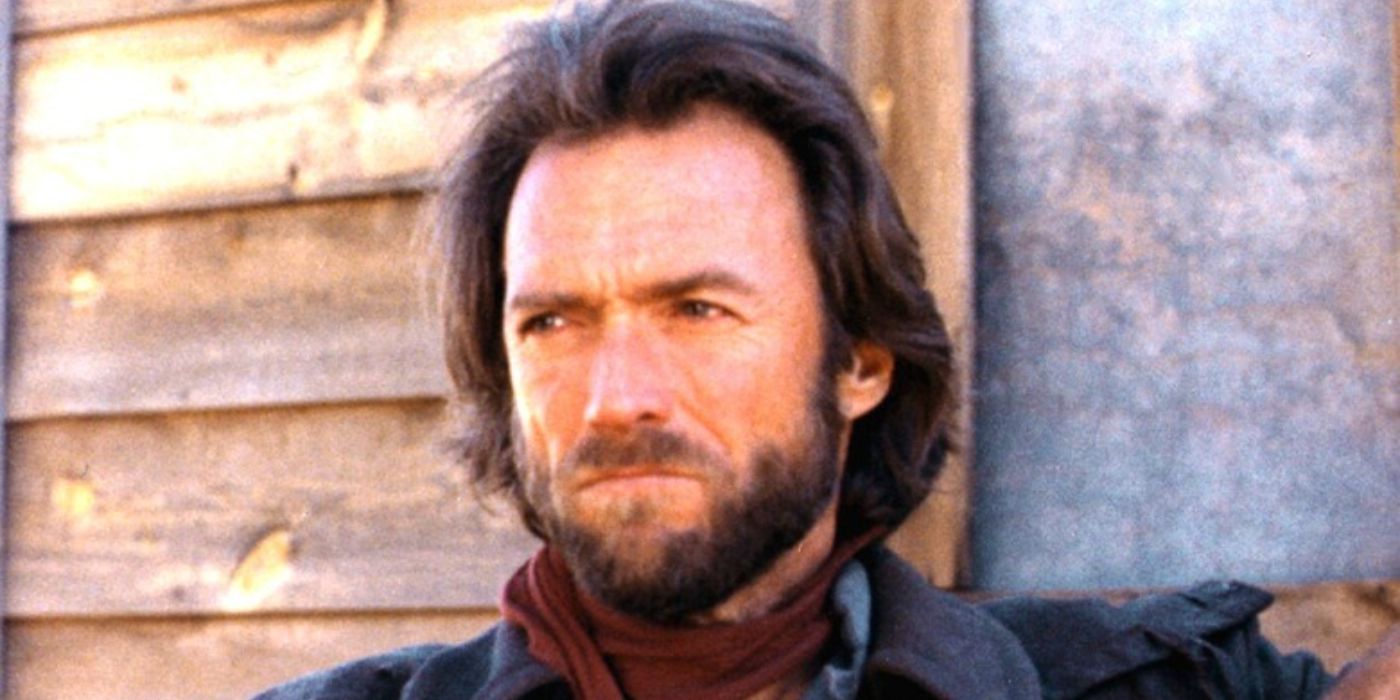
That is the contradiction at the heart of Josey Wales.
He becomes an outlaw because everything he loves is taken away from him.
Yet the longer he runs, the more people he finds worth protecting.
By the end, the question is no longer whether Josey Wales can defeat the men hunting him.
The real question is whether a man who survived war, loss and vengeance can finally stop running and allow himself to live again.
That is why The Outlaw Josey Wales remains more than an old Western.
It is a story about what happens after revenge — and whether even the most broken gunslinger can find his way back to something resembling home.