Open Range (2003): They Wanted to Live Free — Until a Ruthless Rancher Crossed the Line

Open Range (2003), directed by and starring Kevin Costner, is a powerful Western drama about freedom, loyalty, revenge, and the courage to stand against injustice. Featuring an outstanding performance by Robert Duvall, the film captures the fading spirit of the American frontier, where independent cowboys struggle to preserve their way of life against wealthy landowners determined to control everything.
More than a traditional story about gunfighters, Open Range explores what happens when peaceful men are pushed beyond their limits—and why some battles become impossible to avoid.
A Life Built on Freedom and Friendship
The story follows Boss Spearman (Robert Duvall), an experienced cattleman who leads a small group of free-grazing cowboys across the vast American West.
Boss believes in honesty, hard work, loyalty, and personal independence. He has no desire to become wealthy or powerful. His greatest satisfaction comes from living freely, caring for his cattle, and protecting the men who depend on him.
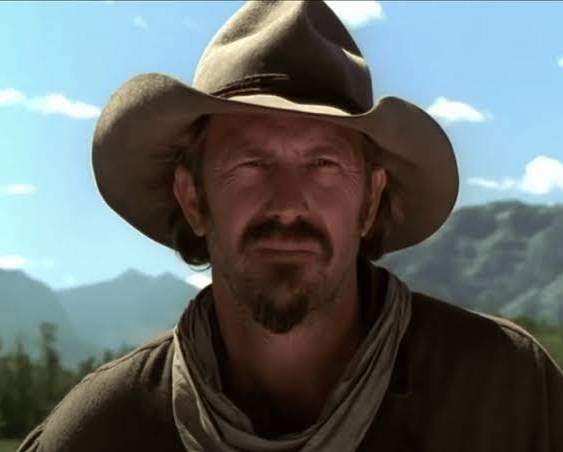
His closest companion is Charley Waite (Kevin Costner), a quiet cowboy carrying painful memories from his violent past.
Charley once served as a soldier during the Civil War, and the things he experienced continue to haunt him. Although he now prefers a peaceful existence, beneath his calm personality lies a dangerous man who understands violence better than most.
Their crew also includes Mose, a dependable cowboy, and Button, a young man still learning the realities of frontier life.
Together, these four men form a family built on trust rather than blood.
When Freedom Becomes a Threat
Their peaceful journey takes a dangerous turn when they enter territory controlled by Denton Baxter, a wealthy and ruthless rancher who despises free-grazing cattlemen.
Baxter believes that his wealth and influence give him the right to dictate who can travel across the surrounding land.
To him, independent cowboys represent a threat to his authority.
Boss and Charley, however, refuse to accept that one powerful man should control the freedom of everyone else.
The conflict begins when Mose travels into a nearby town for supplies and encounters Baxter’s men.
Instead of receiving ordinary hospitality, he becomes the target of intimidation and violence.
Boss and Charley soon realize that the local authorities offer little protection because Baxter effectively controls the town.
The law exists, but justice has become something money can purchase.
A Brutal Attack Changes Everything
Determined to protect their companions, Boss and Charley confront the growing danger.
Unfortunately, Baxter has no intention of allowing them to leave peacefully.
His hired gunmen launch a vicious attack that kills Mose and leaves young Button seriously wounded.
The tragedy transforms the story.
What began as a disagreement over grazing rights becomes something deeply personal.
Boss loses a trusted friend, while Charley is forced to confront the violent instincts he has spent years trying to suppress.
Neither man originally wanted a gunfight.
They wanted to move their cattle, enjoy the open country, and live according to their principles.
But Baxter’s cruelty leaves them facing an impossible choice: abandon their dignity or fight back.
For Boss and Charley, walking away would mean accepting that powerful men can murder innocent people without consequences.
Charley Waite: A Dangerous Man Seeking Peace
One of the film’s most compelling elements is Charley’s internal struggle.
Kevin Costner portrays him as a man who fears what he might become if he returns to violence.
His quiet behavior is not weakness.
It is restraint.
Charley knows that killing changes a person, and he has spent years trying to escape the memories of his military service.
Yet when his friends are attacked, the skills he hoped never to use again become essential.
His relationship with Sue Barlow, played by Annette Bening, adds emotional depth to this conflict.
Sue represents the possibility of a different future—a life defined by love and stability rather than bloodshed.
For the first time in years, Charley begins imagining that he might deserve happiness.
But before he can embrace that future, he must face the darkness of his past.
One of the Most Memorable Gunfights in Western Cinema
The film builds toward an explosive confrontation between Boss, Charley, and Baxter’s hired gunmen.
Rather than presenting violence as glamorous entertainment, Costner creates a gunfight that feels chaotic, dangerous, and frighteningly immediate.
Shots echo through the streets. Men scramble for cover. Every movement carries consequences.
The confrontation also reveals the extraordinary bond between Boss and Charley.
They understand one another without lengthy explanations, relying on years of shared hardship and mutual respect.
Against overwhelming odds, they stand together because neither is willing to surrender to intimidation.
The sequence has become one of the film’s defining achievements, celebrated for its intensity and grounded portrayal of frontier violence.
Why Open Range Remains a Western Classic
What makes Open Range memorable is not simply its action.
It is the emotional weight behind every decision.
Boss represents wisdom, loyalty, and the dignity of an older frontier tradition. Charley represents a wounded man searching for redemption.
Together, they embody the belief that freedom means little unless people are willing to defend it.
The film’s sweeping landscapes, deliberate pacing, and powerful performances create an atmosphere that recalls the greatest Westerns of earlier generations.
Yet its themes remain relevant: corruption, abuse of power, friendship, and the responsibility to stand against injustice.
Final Thoughts: Freedom Is Worth Defending
Open Range (2003) reminds audiences that courage does not always mean seeking a fight.
Sometimes, true courage means choosing peace for as long as possible—and standing firm when peace is no longer an option.
Boss Spearman and Charley Waite never wanted to become heroes.
They simply wanted to live free.
But when a ruthless rancher crossed the line, they proved that dignity, loyalty, and justice were worth fighting for.
Would you have stood beside Boss and Charley, or walked away from the fight?