There are Western scenes built around speed, gunfire, and spectacle.
Then there are scenes that become unforgettable because of something much simpler: a stranger walks into a room, says very little, and somehow changes the temperature of the entire town.
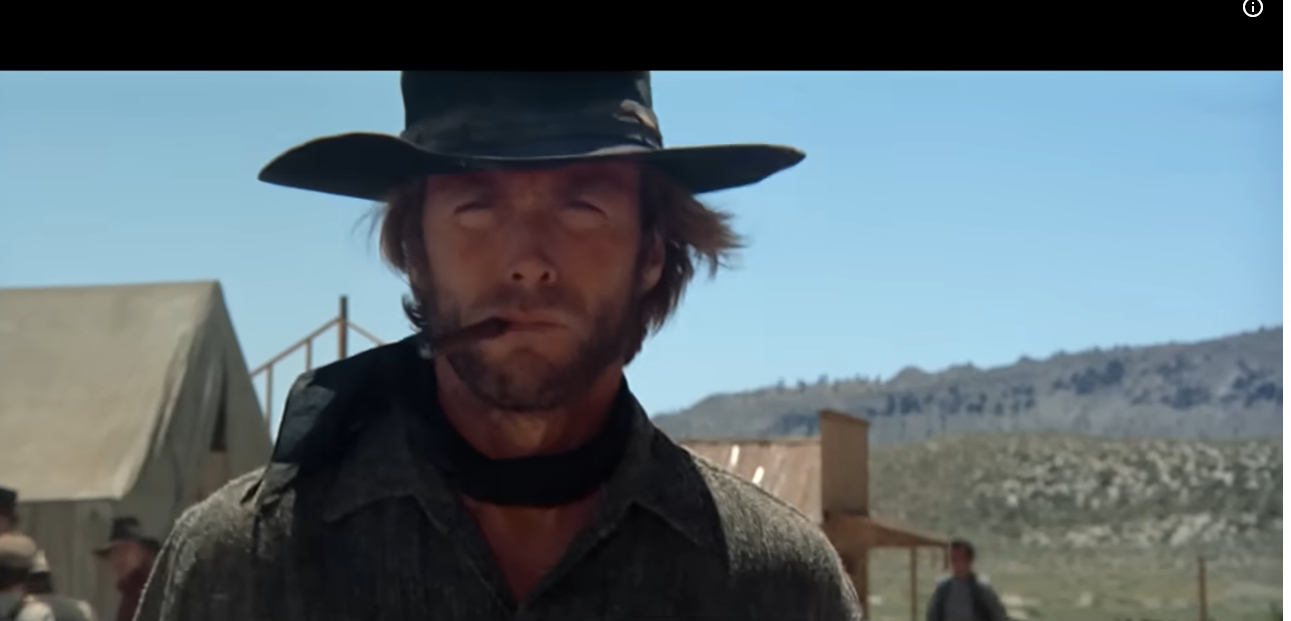
That is exactly what happens in High Plains Drifter, Clint Eastwood’s eerie and morally unsettling 1973 Western.
The famous barber shop showdown captures everything that makes the film so distinctive.
It is not merely another confrontation between a tough gunslinger and a group of dangerous men.
It is a statement.
The Stranger has arrived.
He is not afraid.
He does not care about the town’s social rules.
And anyone who mistakes his silence for weakness is about to learn a painful lesson.
What makes the scene so memorable is not simply the violence.
It is the atmosphere surrounding it.
Every look, every pause, every movement suggests that something terrible could happen at any moment.
And because Eastwood’s Stranger remains so calm, everyone else looks increasingly nervous.
That contrast turns a relatively contained confrontation into one of the defining moments of the film.
A Town Already Afraid Before the Stranger Arrives
High Plains Drifter begins in Lago, a remote mining town surrounded by an almost supernatural emptiness.
From the moment the Stranger rides into town, there is something wrong about the place.
The streets feel too quiet.
The townspeople watch him carefully.
Nobody seems genuinely welcoming.
There is an atmosphere of guilt hiding beneath ordinary conversation.
Eastwood deliberately presents Lago as a community carrying a secret.
The townspeople are not innocent settlers waiting for a hero to protect them.
They are frightened people whose past has created consequences they cannot escape.
That distinction is crucial.
In a traditional Western, a mysterious gunfighter might arrive in a troubled town and eventually become its protector.
High Plains Drifter takes that familiar setup and twists it into something darker.
The Stranger is not immediately heroic.
In many ways, he is terrifying.
He seems to understand the town before the town understands him.
And he behaves like a man who has no interest in earning anyone’s approval.
The barber shop sequence makes that clear very early.
The Barber Shop Becomes a Battlefield
A barber shop should be one of the least threatening places in a Western town.
It is a place for conversation.
A man sits down.
Someone trims his hair.
Perhaps people exchange gossip.
There is a strange intimacy to the space.
That is exactly why the confrontation works so well.
The Stranger is sitting in a vulnerable position.
He is not standing in the middle of the street with his hand near his revolver.
He is inside a small room, allowing someone to work around his face and neck.
For any normal man, that would require trust.
But nothing about the Stranger feels normal.
Even seated, he dominates the room.
Eastwood uses stillness as power.
He does not need to demonstrate nervousness.
He does not constantly check the door.
He does not behave like a man expecting an attack.
Instead, he creates the impression that if trouble arrives, he will simply deal with it.
And trouble does arrive.
The local toughs decide that this outsider needs to be taught a lesson.
They believe they understand the situation.
They see one man.
They see an opportunity to intimidate him.
They assume that numerical advantage means control.
Their mistake is not simply underestimating his shooting ability.
Their mistake is assuming he thinks like they do.
Clint Eastwood’s Greatest Weapon Is Stillness
Eastwood’s screen persona has always been associated with silence.
But in High Plains Drifter, that silence feels different from the cool confidence of the Dollars Trilogy.
The Man with No Name is mysterious.
The Stranger in High Plains Drifter is almost ghostly.
There is something unnatural about how comfortable he appears in dangerous situations.
During the barber shop sequence, Eastwood does not fill the scene with unnecessary gestures.
His performance is economical.
A glance matters.
A pause matters.
The movement of his eyes matters.
This allows the audience to study him.
We watch the threatening men.
Then we watch the Stranger.
The men are aggressive because they want to prove something.
The Stranger does not need to prove anything.
That difference tells us immediately who has the real power.
Western cinema often presents dominance through size, shouting, or violence.
Eastwood often does the opposite.
The quieter his character becomes, the more dangerous he seems.
The audience senses that violence is not difficult for him.
It is simply another option.
The Men Believe They Control the Situation
The confrontation becomes fascinating because the local men approach the Stranger with confidence.
From their perspective, they are operating on familiar territory.
This is their town.
They know the people.
They know the rules.
They are used to intimidation.
A stranger should understand where he stands.
But Eastwood’s character refuses to participate in that hierarchy.
He does not respond to intimidation the way they expect.
He does not apologize.
He does not retreat.
He does not attempt to negotiate his position.
This creates psychological pressure.
Bullies depend on predictable reactions.
Fear gives them authority.
Submission confirms their strength.
The Stranger provides neither.
The longer he remains calm, the more unstable his opponents become.
And eventually, the confrontation moves beyond words.
This is where the scene reveals one of the central themes of High Plains Drifter.
The town believes it can control violence.
The Stranger demonstrates that it cannot.
Violence Arrives Suddenly
Eastwood understands one of the most effective rules of screen violence:
The longer the buildup, the more powerful the release.
The barber shop showdown does not require endless gunfire.
The tension does most of the work.
When violence finally comes, it feels sudden.
There is little wasted movement.
Eastwood’s Stranger responds with the efficiency of someone who has done this many times before—or perhaps someone who exists for exactly this purpose.
That uncertainty is important.
The film never allows the audience to understand him completely.
We can describe what he does.
We can observe his behavior.
But explaining exactly who he is becomes far more difficult.
That mystery gives every act of violence an additional layer.
Is he simply a highly skilled gunfighter?
Is he motivated by revenge?
Is he something stranger?
High Plains Drifter repeatedly leaves those questions hovering over the story.
The barber shop confrontation strengthens that supernatural feeling because the Stranger seems almost impossible to surprise.
He acts less like a man trying to survive and more like a force moving through the town.
The Scene Changes How Lago Sees Him
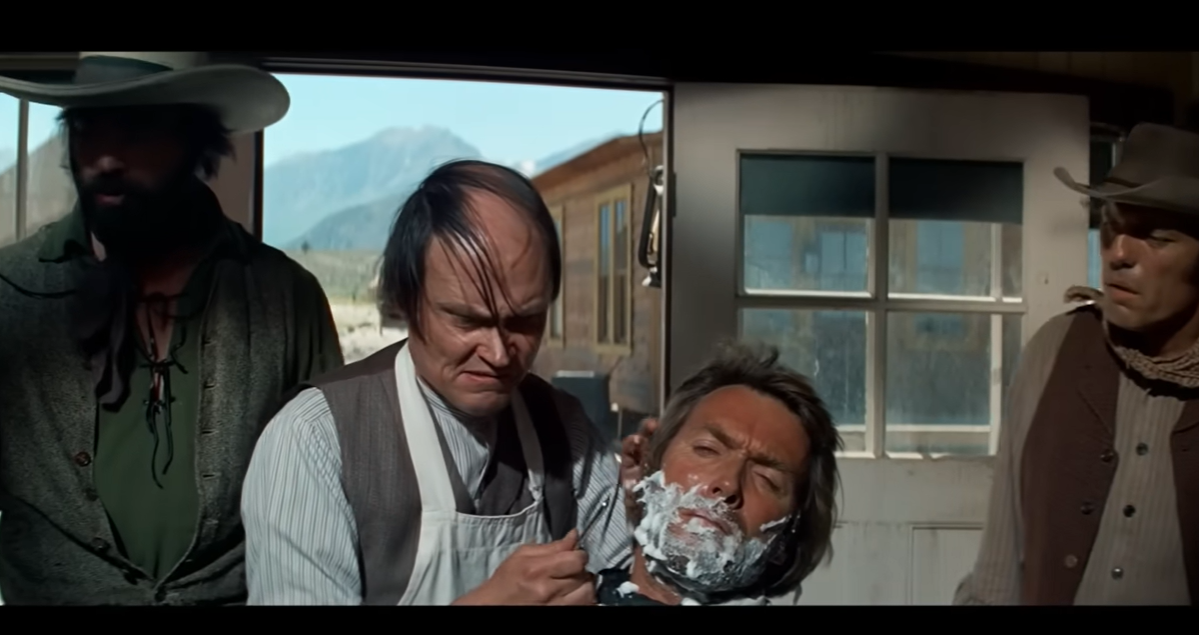
Before this confrontation, the residents of Lago may see the Stranger as an inconvenience.
Afterward, they understand that he is dangerous.
That realization becomes essential to the plot.
The town soon faces an even larger threat.
Three violent men are expected to return, and Lago desperately needs someone capable of defending it.
Suddenly, the outsider who frightened everyone becomes useful.
This is one of the film’s most uncomfortable ironies.
The townspeople do not suddenly admire the Stranger because he is morally good.
They need him because he is more dangerous than the men they fear.
That creates a relationship based not on trust, but necessity.
The barber shop showdown establishes his credentials.
He is the man nobody can intimidate.
He is the man who reacts faster.
He is the man willing to go further than everyone else.
And Lago gradually realizes that its survival may depend on giving this stranger extraordinary power.
Eastwood Reverses the Traditional Western Hero
This is where High Plains Drifter becomes much more interesting than a conventional revenge Western.
The Stranger is not presented as a comforting hero.
He does not arrive to restore a clean moral order.
He exposes the ugliness already present.
Traditional Westerns often divide the world into heroes and villains.
High Plains Drifter deliberately muddies that distinction.
The people of Lago have their own moral failures.
The returning criminals are unquestionably dangerous.
The Stranger may be their best hope.
Yet he himself remains frightening and morally ambiguous.
The barber shop scene perfectly introduces that ambiguity.
Watching him defeat threatening men can feel satisfying.
They approached him.
They underestimated him.
They wanted violence.
But the satisfaction is uneasy.
The Stranger’s brutality suggests that he is not simply a heroic gunslinger correcting injustice.
There is something darker moving beneath the surface.
A Western With the Feeling of a Ghost Story
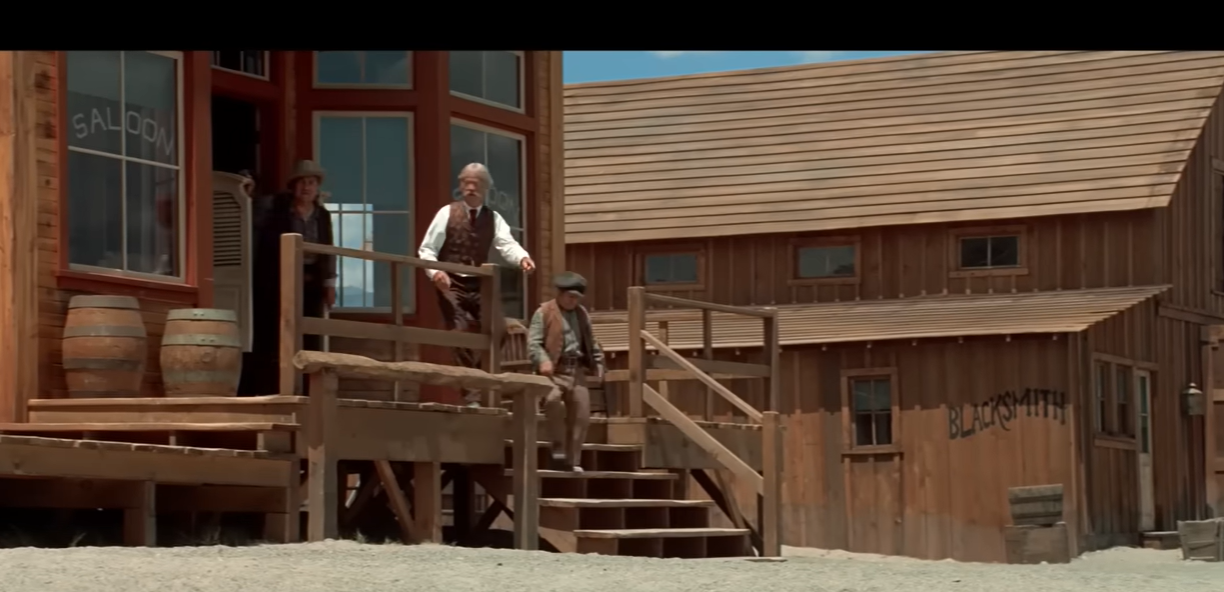
One of the greatest strengths of High Plains Drifter is the way it combines Western imagery with the atmosphere of horror.
The empty landscape.
The strange quiet.
The guilty town.
The almost supernatural protagonist.
Even the heat seems oppressive.
The Stranger appears out of the desert with very little explanation, almost as if the landscape itself has sent him.
That visual and emotional style makes seemingly ordinary scenes feel unsettling.
The barber shop confrontation is a perfect example.
On paper, it could belong to almost any Western.
Tough men confront mysterious gunfighter.
Gunfighter proves he is dangerous.
But in High Plains Drifter, the sequence feels more ominous.
The Stranger does not merely defeat them.
His victory seems to announce that Lago is entering a new phase.
The town’s buried past is beginning to return.
Consequences are approaching.
And the Stranger is somehow connected to them.
The Shadow of Marshal Jim Duncan
As the story unfolds, the mystery surrounding Lago becomes more disturbing.
The town is haunted—figuratively and perhaps literally—by what happened to Marshal Jim Duncan.
His brutal death forms the moral wound at the center of the story.
The townspeople’s guilt over that event changes how we interpret the Stranger.
Suddenly his arrival feels less random.
His anger seems more purposeful.
His cruelty toward Lago begins to resemble punishment.
That context gives earlier scenes, including the barber shop confrontation, additional meaning.
The Stranger’s violence is not simply establishing that he is the toughest man in town.
He is entering a community built on cowardice and betrayal.
The men who challenge him are part of a place that believes strength can erase responsibility.
The Stranger gradually proves otherwise.
Why the Barber Shop Scene Is So Rewatchable
The scene works because it contains the entire film in miniature.
There is tension.
There is arrogance.
There is silence.
There is violence.
There is moral uncertainty.
And above everything stands Clint Eastwood’s unreadable Stranger.
It also demonstrates how effectively Eastwood uses restraint.
He does not need a long speech.
He does not need elaborate choreography.
He does not need to convince the audience verbally that he is dangerous.
The reaction of everyone around him does that.
The men enter believing they have found an easy target.
Seconds later, the balance of power has completely changed.
That is classic Eastwood.
The character allows his opponents to make the mistake first.
Then he makes sure it is their last.
More Than a Simple Showdown
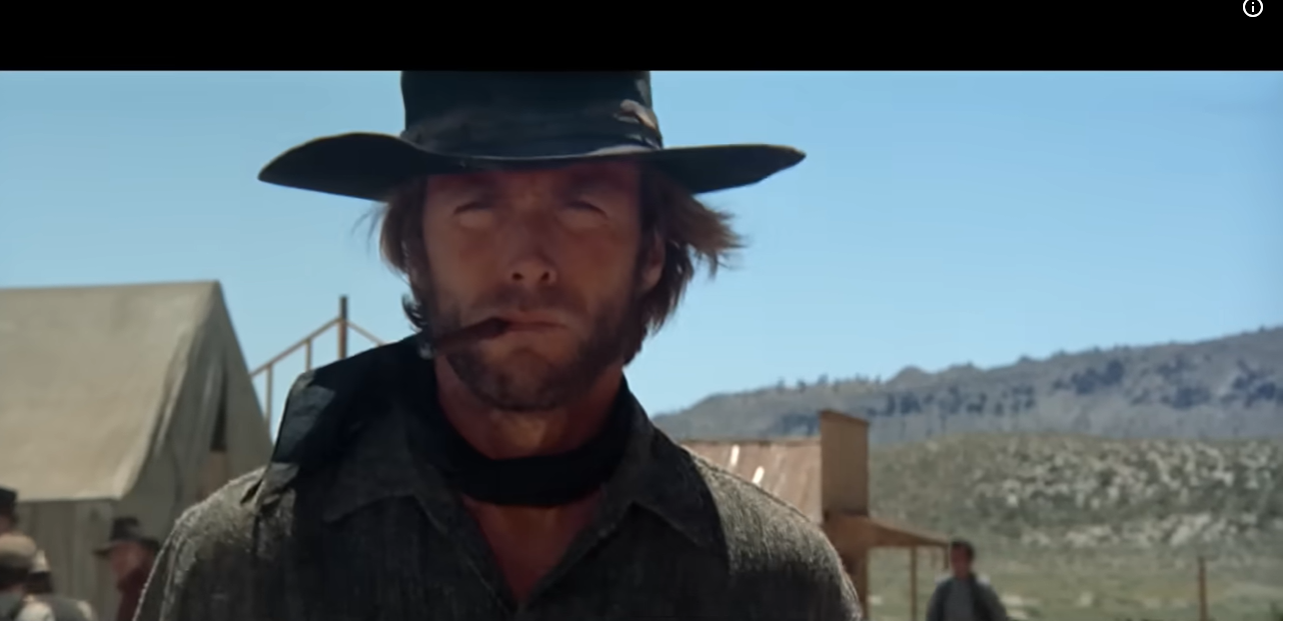
The barber shop confrontation in High Plains Drifter remains memorable because it does more than provide action.
It defines a character.
It changes the town’s relationship with him.
It establishes the violent logic of the story.
And it tells the audience that this Western will not operate according to comfortable rules.
The Stranger may become Lago’s defender.
But he is not there to make Lago feel safe.
He is there to force the town to confront something it has tried desperately to forget.
That is what makes Clint Eastwood’s performance so powerful.
The Stranger does not explain himself.
He rides into town.
He watches.
He acts.
And everyone around him gradually realizes that his arrival means their old world is finished.
In the barber shop, a handful of men think they are confronting an outsider.
What they do not yet understand is that they may be confronting the past itself.
And in High Plains Drifter, the past has come armed.