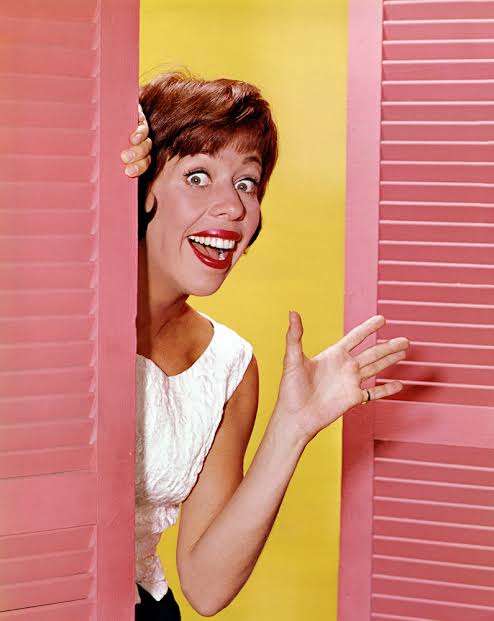
Cramped Office Chaos: How Tim Conway, Carol Burnett, and Harvey Korman Turned No Personal Space Into Classic Comedy Gold
Some comedy sketches need a giant setup.
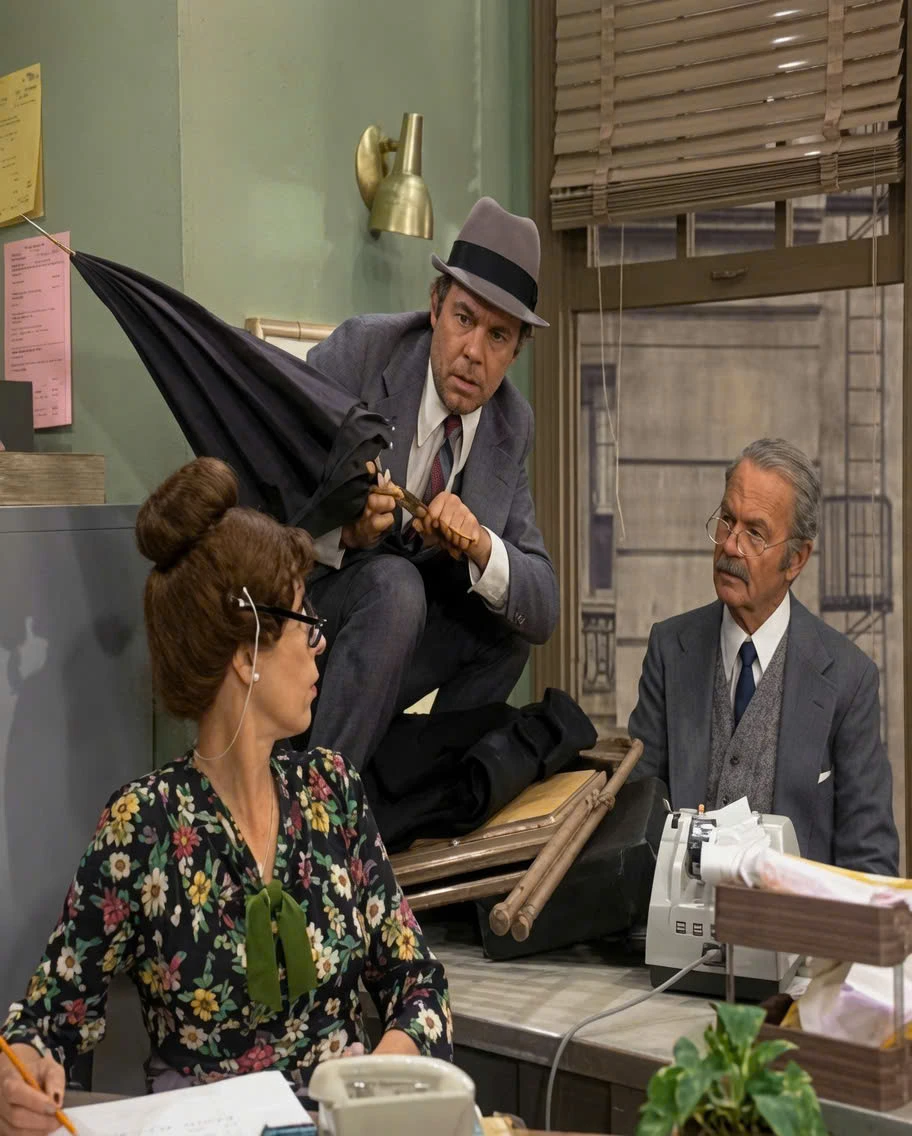
Others only need a desk, a chair, three brilliant performers, and absolutely no room to move.
That is exactly what makes this classic office sketch from The Carol Burnett Show so unforgettable. The premise is almost painfully simple: an office is too small, the furniture is too close together, and everyone inside is trying to behave like professionals while constantly invading each other’s personal space. But in the hands of Tim Conway, Carol Burnett, and Harvey Korman, that tiny office becomes one of the funniest battlegrounds in classic television comedy.
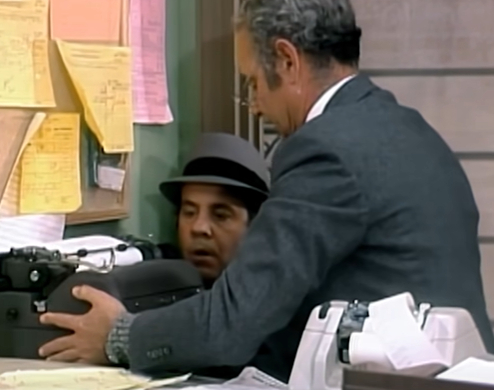
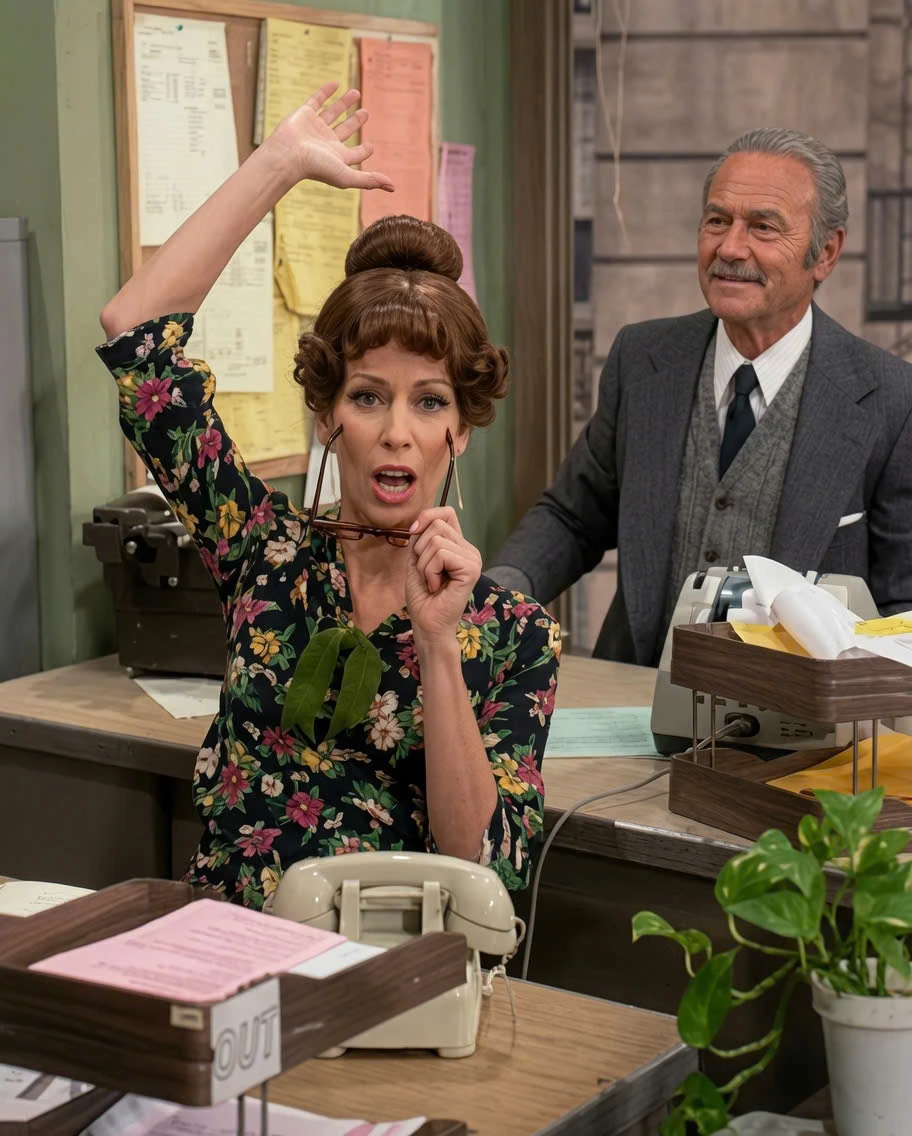
The video clip captures the heart of the sketch beautifully. Tim Conway appears trapped in a workspace so cramped that every movement becomes a crisis. He cannot shift his chair without bumping into someone. He cannot lean forward without creating another awkward collision. At one point, the desk arrangement feels less like an office and more like a puzzle designed to torture anyone trying to sit down.
And that is where Conway thrives.
Tim Conway was a master of making small problems feel enormous. He did not need to shout or rush. He could take one tiny inconvenience and stretch it until the audience was laughing before the actual punchline arrived. In this sketch, the lack of space becomes his playground. His body language tells the whole story: the careful climbing, the awkward leaning, the stiff attempts to stay polite, and the growing realization that there is no graceful way to survive this office.
Harvey Korman’s role is just as important. Korman plays the straight man, the person trying to preserve order, dignity, and a sense of professional normalcy. But the more seriously he tries to behave, the funnier the situation becomes. That was one of the great gifts of his partnership with Conway. Korman could look irritated, confused, or offended in a way that made Conway’s nonsense even sharper. He gave Conway something solid to push against.
In this sketch, Korman’s frustration is not loud at first. It builds. Every bump, squeak, squeeze, and accidental invasion of space chips away at his composure. The office is already too small, but Conway’s presence makes it feel impossible. The desk is too close. The chair is too awkward. The room refuses to cooperate. And Korman’s face slowly becomes the face of every person who has ever tried to get through a workday while trapped next to someone who will not stop moving.
Then there is Carol Burnett.
Carol’s genius in a sketch like this is her ability to react without stealing the moment. She does not have to dominate every gag. Instead, she becomes the emotional center of the chaos. Her expressions sell the absurdity. Her pauses make the audience feel the discomfort. She understands exactly when to stay still, when to stare, when to snap, and when to let Conway and Korman’s physical comedy take over.
That balance is why the scene works so well.
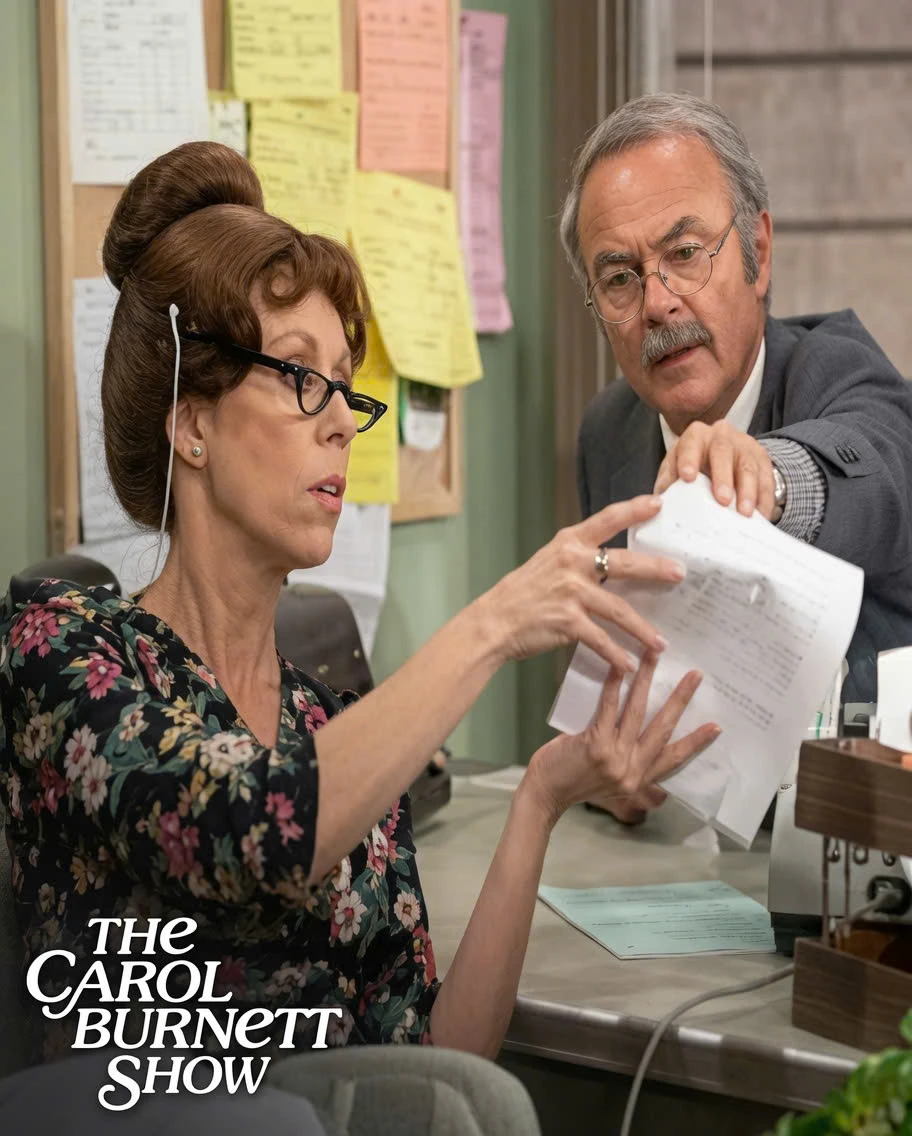
A cramped office could easily become repetitive. There are only so many times someone can bump into a desk before the joke wears out. But the cast keeps escalating the situation. First, the tight space is inconvenient. Then it becomes irritating. Then it becomes ridiculous. Then it becomes nearly impossible for anyone to complete even the simplest office task.
That is classic sketch structure: start small, build steadily, and let the audience feel the disaster growing.
The setting itself becomes a character. The office is not just a background. It is the enemy. The desks are too close. The chairs are in the wrong place. The pathways are blocked. The door does not offer relief. Even normal actions like sitting, standing, answering a phone, moving papers, or turning around become physical challenges.
That is what makes the sketch so relatable.
Most people have experienced some version of cramped workplace frustration. Maybe it was a tiny cubicle, a crowded office, a desk too close to another desk, or a meeting room where no one could move without bumping knees. The Carol Burnett Show takes that ordinary irritation and pushes it into absurdity. The audience laughs because the situation is ridiculous, but also because it feels strangely familiar.
Before remote work, open-office debates, hot-desking, and modern workplace complaints, this sketch already understood something universal: when people lose personal space, even polite professionals can become trapped in silent warfare.
That is the brilliance of the comedy.
The sketch does not need a complicated story. The conflict is physical. The stakes are tiny, but they feel huge because the performers commit completely. Conway treats every movement like a delicate operation. Korman treats every interruption like an attack on his dignity. Burnett reacts like a woman trying to survive the most absurd workday of her life.
Together, they turn office discomfort into a full comedy machine.
Tim Conway’s unpredictability gives the scene its spark. Even when the audience understands the basic joke, they do not know exactly how Conway will make it worse. Will he move too slowly? Will he climb where no one should climb? Will he accidentally bump someone? Will he pause just long enough to make Harvey Korman crack? That uncertainty keeps the scene alive.
Korman’s reactions provide the pressure. He represents the person who wants the world to make sense. The problem is that Conway’s comedy world does not make sense. In Conway’s world, a chair is never just a chair. A desk is never just a desk. A normal office is never safe. Everything is capable of becoming a trap, a weapon, or an excuse for one more perfectly timed disaster.
Carol Burnett’s presence completes the triangle. She understands the rhythm of both men and knows how to make the scene feel like an ensemble piece rather than a two-man battle. Her reactions remind the audience that the chaos affects everyone in the room. She is not simply watching the madness happen. She is stuck inside it.
That is why the sketch still works decades later.
Modern comedy often depends on fast editing, shock value, or big visual effects. This scene does the opposite. It trusts performers. It trusts timing. It trusts the audience to enjoy the slow build of physical discomfort. Every laugh comes from craft: where someone sits, when someone moves, how long a pause lasts, and how perfectly one body blocks another in a room that is already too small.
There is also something wonderfully clean about the humor. No one needs to be cruel. No one needs to insult anyone. The joke is the situation. The joke is the space. The joke is the fact that three adults are trying to behave normally in a room that makes normal behavior impossible.
That kind of comedy ages well because it is built on human behavior.
We all understand frustration. We all understand personal space. We all understand the tension of trying not to lose patience in a professional setting. The sketch simply exaggerates those feelings until they become hilarious.
By the end, the office feels less like a workplace and more like a comedy obstacle course. Papers, desks, chairs, elbows, and expressions all become part of the rhythm. Every tiny movement threatens to trigger another disaster. And through it all, Conway, Burnett, and Korman remain locked into the kind of chemistry that made The Carol Burnett Show legendary.
This is why fans still share clips like this today.
It reminds people that great comedy does not always need a huge idea. Sometimes the funniest thing on television is watching Tim Conway discover that his desk is practically sitting in Harvey Korman’s lap — and then somehow make the situation even worse.
The smaller the office becomes, the bigger the laughs get.
And that is the timeless magic of The Carol Burnett Show.